
Jurassic Coast Day Trip from London: The Ultimate Guide (2026)
If you’re based in London and looking for a day trip that genuinely takes your breath away, a Jurassic Coast day trip from London is one of the best you can make. Two hours from the capital (or just over by train), the Jurassic Coast stretches 154km from Exmouth in East Devon to Studland Bay in Dorset, a UNESCO World Heritage Site where 185 million years of geological history is exposed in the cliffs. Think towering limestone arches, chalk sea stacks, fossils tumbling onto the beach, and views that look like they belong in a BBC documentary (because they often do).
Wait, Jurassic Coast? Am I going to see dinosaurs? Sadly, no. But you will be walking along 185 million years of geological history instead, with rock formations from the Triassic, Jurassic, and Cretaceous periods and fossils still visible in the cliffs, and that’s honestly just as good.
JURASSIC COAST ESSENTIALS
🚆 Getting There / Trains run from London Waterloo to Weymouth, Dorchester, Bournemouth and Poole, with journey times from around 2 hours 15 minutes. Book on Trainline in advance, fares are significantly cheaper than walk-up tickets.
🚗 Getting Around / The sights are spread out along the coast, so a hire car gives you the flexibility to cover multiple spots (Durdle Door, Corfe Castle, Old Harry Rocks and West Bay, for instance) in one day. I hired a car in London for my visit and it made the whole trip far more enjoyable. Search deals on DiscoverCars.
🎟️ Tours / Rather not drive? Guided day tours from London and local boat cruises are a great option. The best ones to book in advance:
– Jurassic Coast and Isle of Purbeck Day Tour
– Jurassic Coast, Lulworth Cove and Durdle Door Bus Tour
– Poole Jurassic Coast Circular Cruise
Browse all Jurassic Coast tours
🏨 Stay / Options for every budget, see the full picks below:
– Budget: YHA Swanage
– Mid-range: Heights Hotel
– Splurge: Moonfleet Manor
📱 Connect / Visiting the UK? Stay connected even once you’re out on the coast path. I use Holafly, use code TRAVELWITHPAU for 5% off.
🛡️ Get Insured / If you are travelling from abroad, it’s worth having cover if you’re planning coastal walks or water activities. World Nomads offers flexible cover for adventure activities.
Things to Do on the Jurassic Coast
1. Stand Beneath Durdle Door
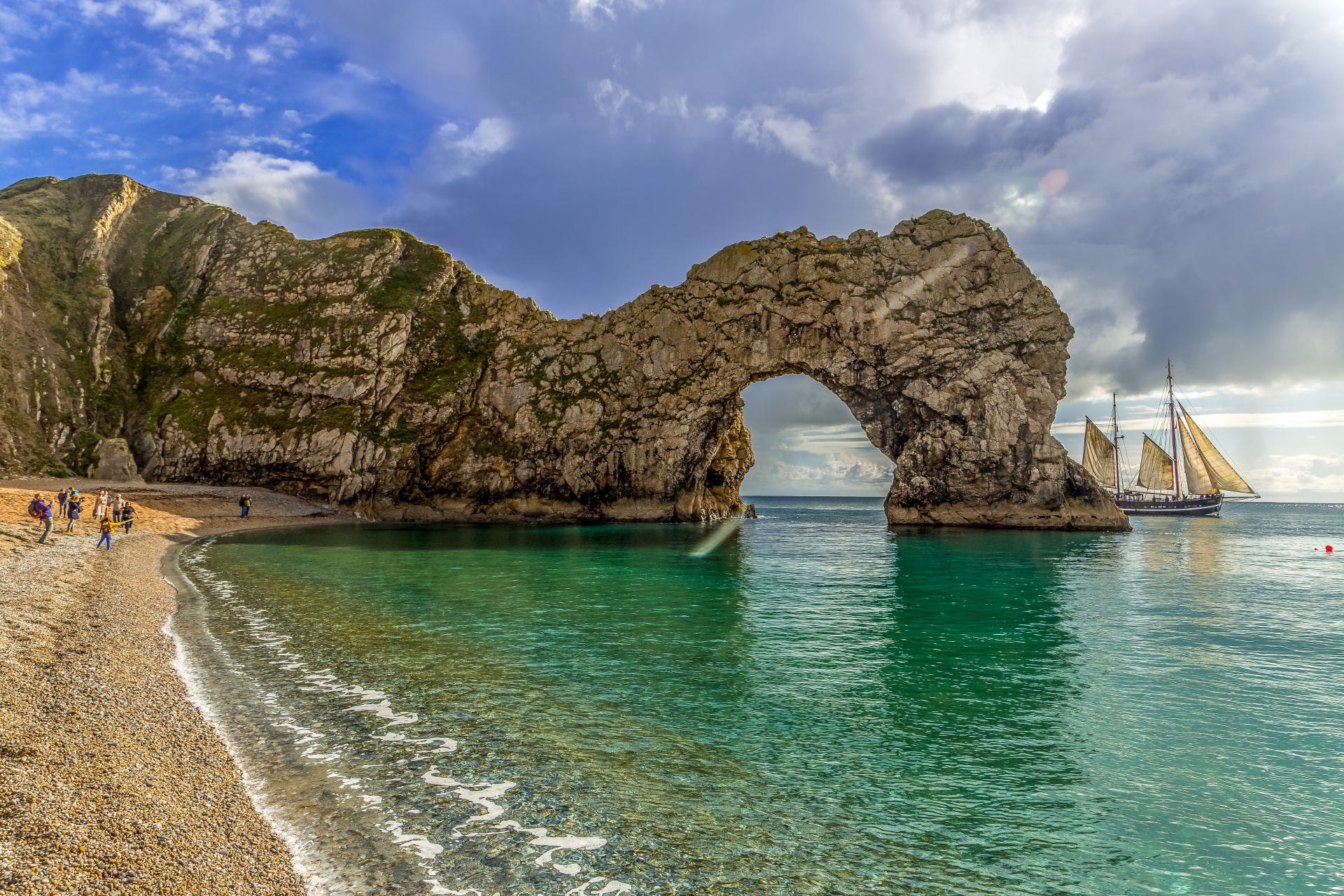
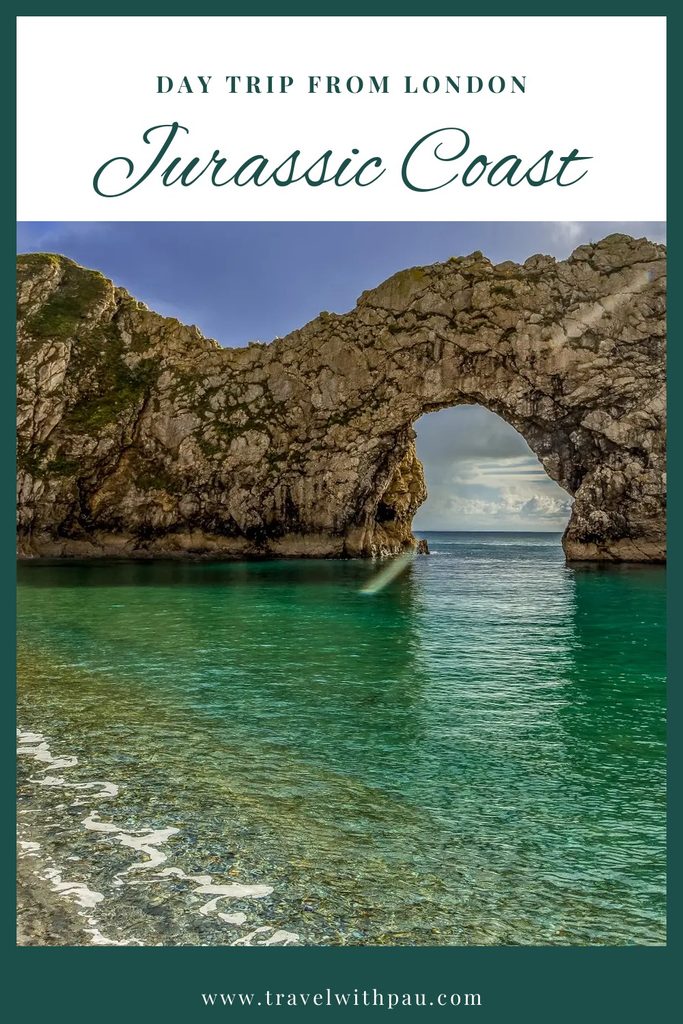
Durdle Door is the Jurassic Coast’s most iconic image: a natural limestone arch thrust out into the sea, with a pebble beach either side and views along the cliff line that stretch to the horizon. This natural wonder is the reason I wanted to come to the Jurassic Coast in the first place, and it’s undeniably breathtaking, absolutely earning its status as one of England’s most photographed spots.
Getting there involves parking at the top (book in advance in summer, the car park fills early) and walking down a steep path to the beach. It’s about 15 minutes down and a sweaty 15 minutes back up, but worth every step. Swim through the arch if the conditions allow, it’s a genuinely memorable experience.
Tip: visit as early as you can, especially at weekends. By mid-morning in summer the beach is rammed and the path down is a queue. At 8am it’s magical.
2. Explore Lulworth Cove
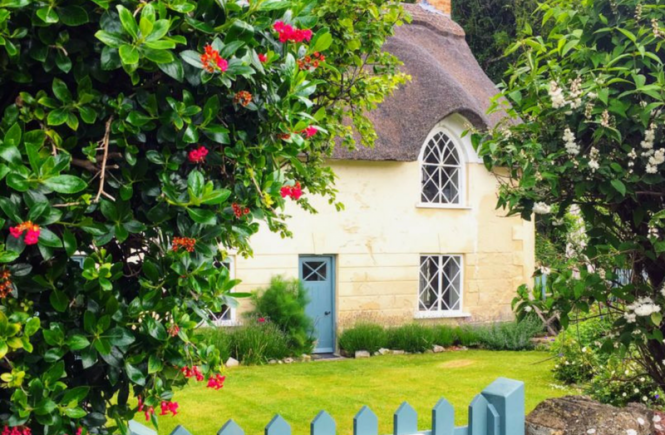
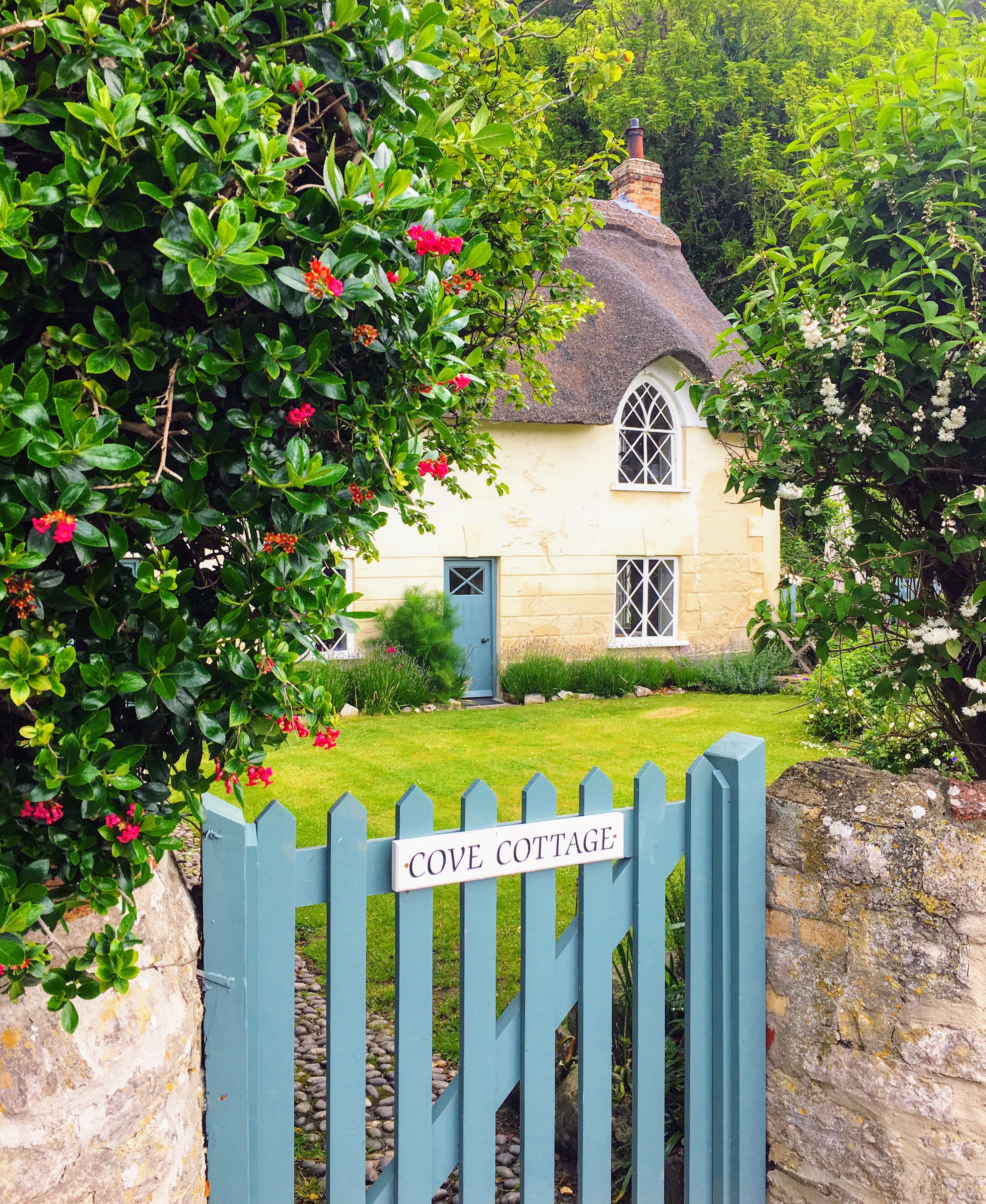
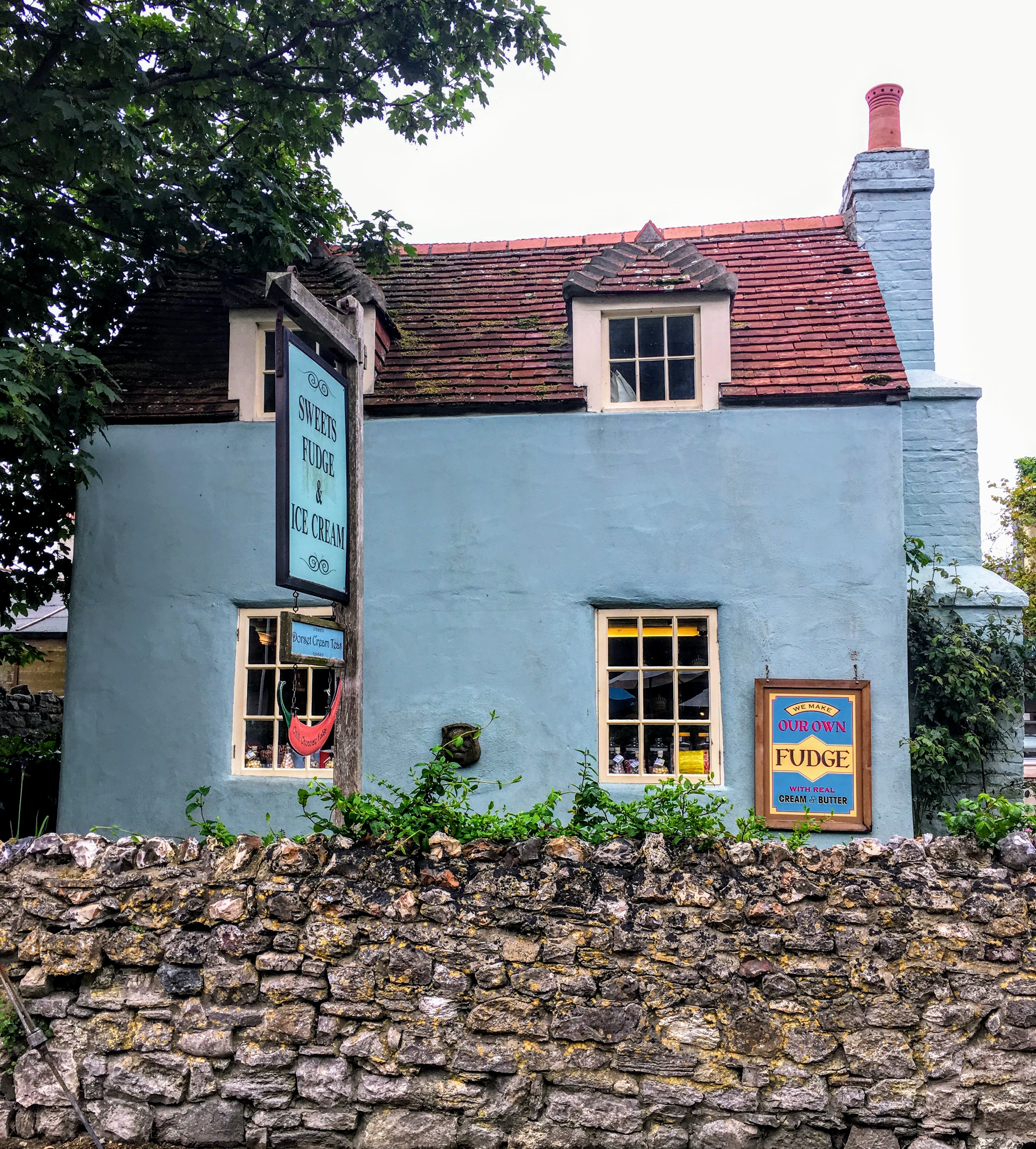
Lulworth Cove is a textbook-perfect natural cove, a near-circular bay carved out of the Jurassic limestone by centuries of wave action. It’s an A-level Geography case study come to life, and it’s genuinely beautiful. The village behind the cove is characterful too, with quaint stone cottages, small ponds in front gardens, and little shops selling coffee, fudge and ice cream.
From Lulworth, you can walk west to Durdle Door in about 30–40 minutes along the cliff path, which gives you spectacular views of both. The hike continues further east along the South West Coast Path towards Kimmeridge if you have the energy and the time.

3. Kayak to Old Harry Rocks
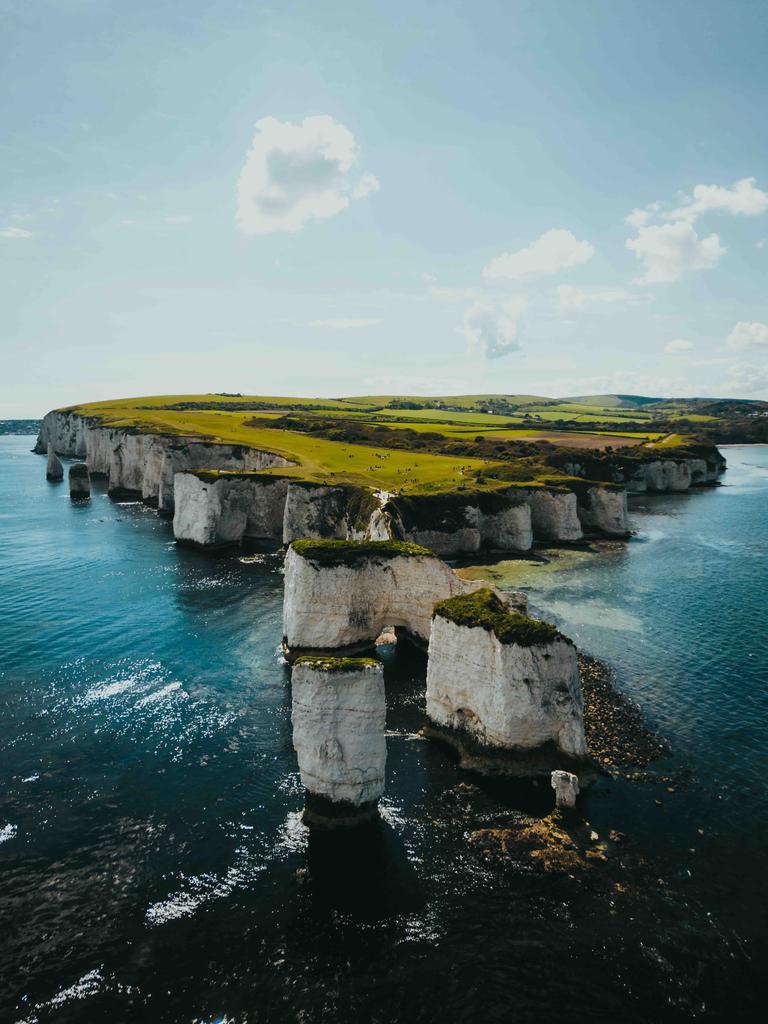
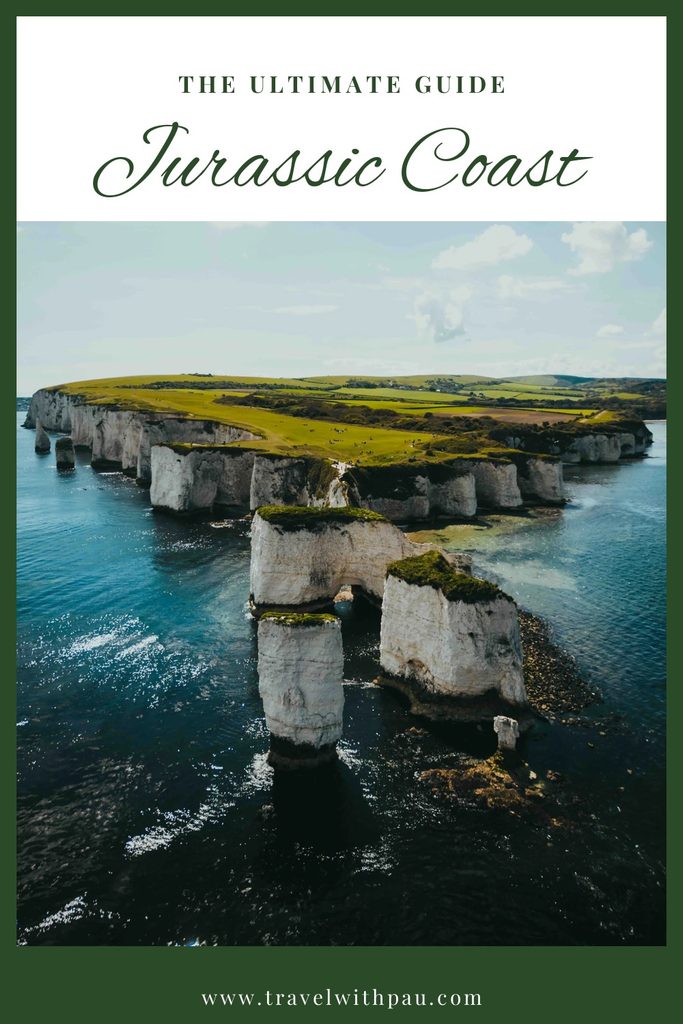
Old Harry Rocks are a series of chalk stacks that rise out of the sea at Handfast Point near Studland, a dramatic, crumbling headland that marks the eastern end of the Jurassic Coast World Heritage Site. They’re impressive from the cliff path, but the best way to see them is by water.
A guided kayaking tour launches from Middle Beach in Studland Bay and takes you paddling past sea caves and rugged cliffs before arriving at Old Harry from the sea, looking up at those white stacks from the waterline. It’s a brilliant experience and fully guided, so no prior kayaking experience is needed. Book the kayaking tour to Old Harry Rocks.
4. Visit Corfe Castle
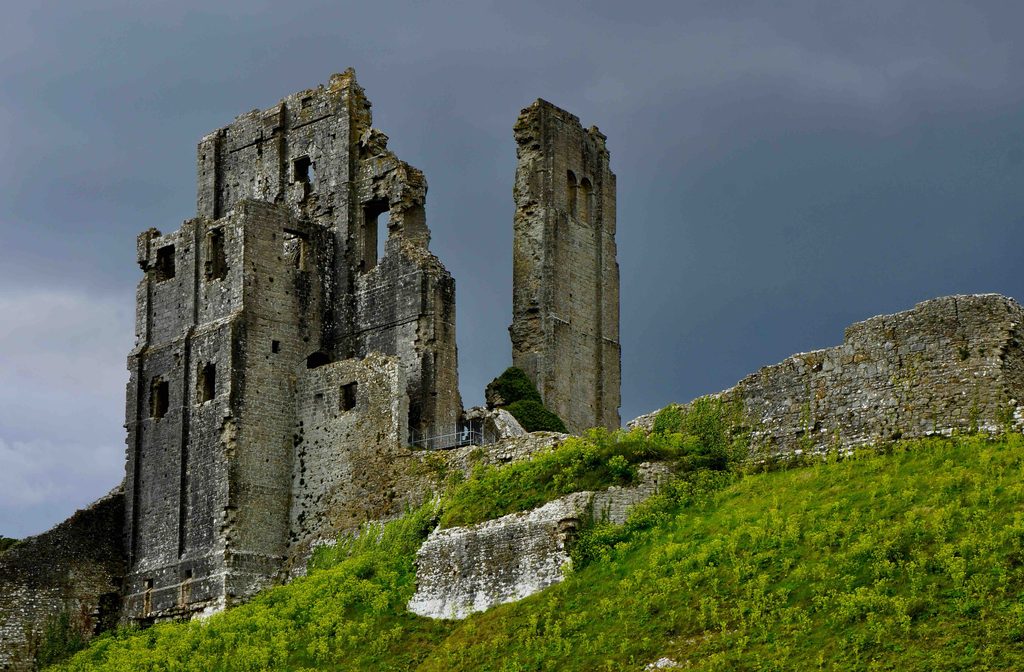
One of Dorset’s most dramatic sights, Corfe Castle sits on a steep hill above the village of the same name, a ruined Norman fortress that was partly demolished by the Parliamentarians in the 1640s and left in atmospheric collapse. The views from the top are outstanding in every direction. The village below is lovely too: stone houses, independent shops, and a great pub for lunch.
Corfe is also on the Swanage Steam Railway, which adds a nostalgic extra layer to the visit. Combine it with Swanage (a classic English seaside town just a short drive or a steam train ride away) for an excellent half-day.
5. Walk Chesil Beach
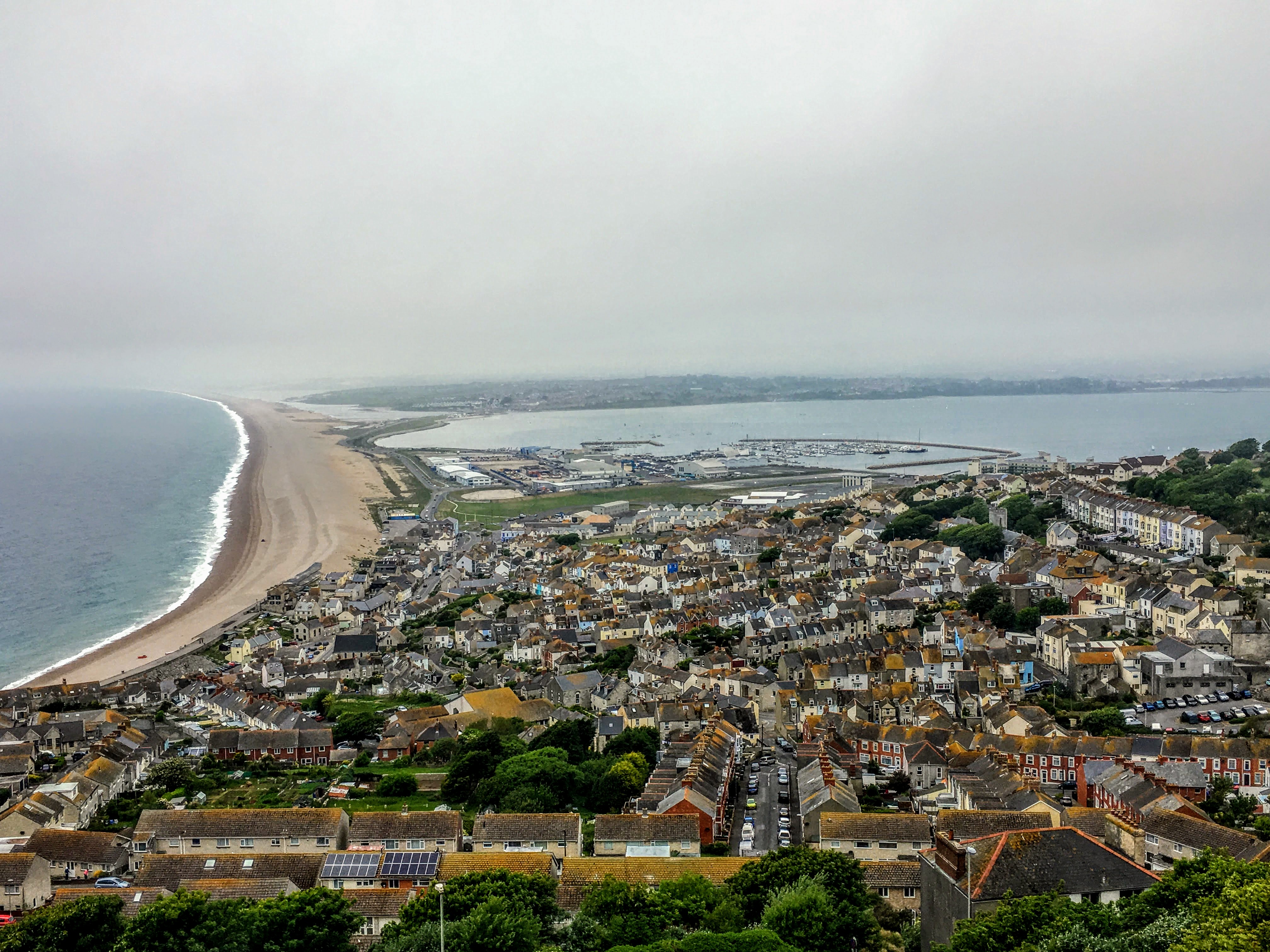
Chesil Beach is one of the most remarkable landforms in the UK: a 29km barrier beach (technically a tombolo) connecting the Isle of Portland to the mainland, made entirely of graduated pebbles, coarser at the Portland end, finer towards Abbotsbury. Walking along it in strong wind, with the sea churning on one side and the Fleet lagoon behind, feels genuinely elemental.
The Fleet lagoon behind the beach is an important wildlife habitat and home to a large colony of mute swans at the Abbotsbury Swannery. At the Portland end, the beach connects to the Isle of Portland, which is worth an afternoon of exploration in itself.
6. Explore the Isle of Portland
The Isle of Portland is connected to Weymouth by Chesil Beach, a narrow causeway that makes the approach feel almost theatrical. This is the home of Portland stone, which has been used for major buildings across Britain and the world, including St Paul’s Cathedral and Buckingham Palace. Once you’ve crossed the beach road, pop by Portland Castle before continuing towards the lighthouse, and stop at the Olympic Rings Stone Sculpture on the way, the sculpture itself isn’t much, but the views over Portland and Chesil Beach from up there are stunning.
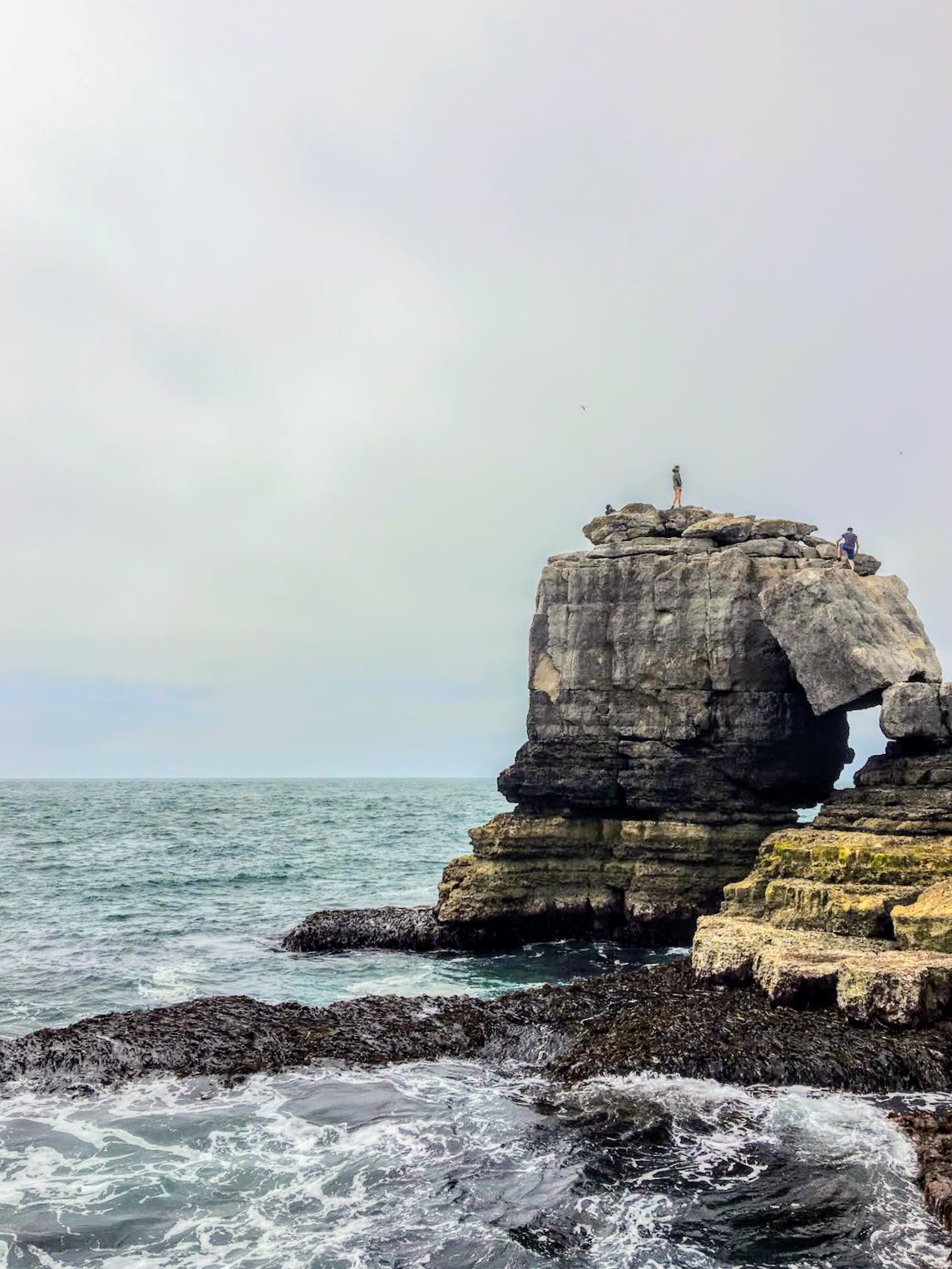
Head for Portland Bill Lighthouse at the southern tip, where you’ll find the remains of old quarries, strange rock formations, and sweeping views of the English Channel, the quarries here are what provided the white Portland stone in the first place. Park up and go for a walk on the rocks near the lighthouse, and have some fun climbing Pulpit Rock, an artificial stack set by quarrymen that mimics a slanted bible leaning on a pulpit, hence the name. Keep an eye on the rocks as you go, there are fossils visible in them too.
The cottages along the road to the lighthouse are some of the most characterful you’ll see anywhere in Dorset, small and slightly eccentric, with the sea visible from every angle.
7. Meet the Primates at Monkey World
Just inland from Lulworth, near the village of Wool, Monkey World is an ape rescue centre set across 65 acres of Dorset woodland, home to over 250 primates rescued from abuse and illegal smuggling: chimpanzees, orang-utans, gibbons, woolly monkeys, lemurs and more. It’s a brilliant break from clifftop walking if you’re travelling with kids (or just love primates), and genuinely one of the best family days out in the area. Open daily 10am to 5pm. Wool train station is about 1.5 miles away with taxis usually available, so it’s reachable even without a car. Check opening times and book tickets on the official site.
8. Hunt for Fossils at Charmouth
Charmouth is one of the best places in the UK for amateur fossil hunting, the beach regularly yields ammonites, ichthyosaur bones and belemnites, particularly after winter storms when new material is washed out of the eroding cliffs. The Charmouth Heritage Coast Centre (formerly the Lyme Regis Museum) has interactive displays, a fossil identification service, and guided fossil walks that take you onto the beach with an expert. Perfect for families and anyone who’s ever wanted to hold a 180-million-year-old ammonite. Book a guided fossil walk directly with the Heritage Coast Centre.
9. Spend an Afternoon in Lyme Regis
Lyme Regis is the Jurassic Coast’s most beloved town, a mix of fossil heritage, independent shops, good restaurants, and a working harbour with fishing boats. The famous Cobb harbour wall (made famous by The French Lieutenant’s Woman) is worth a stroll, and the town beach is excellent for fossil hunting at low tide. Grab fish and chips or fresh crab and eat on the beach wall. It’s exactly what a seaside town should be.
10. Find the Broadchurch Filming Locations at West Bay
Fans of the ITV crime drama Broadchurch will recognise the dramatic golden cliffs of West Bay, near Bridport, this small harbour village stood in for the fictional Broadchurch throughout the series, and the cliffs are just as imposing in real life. The Hive Beach Café nearby is one of the best places on the entire Jurassic Coast for a seafood lunch, their crab sandwiches and daily fish specials are exceptional, and the views across Lyme Bay are the kind that make you want to stay for another coffee.
11. Walk the South West Coast Path
The South West Coast Path runs the entire length of the English and Cornish coast, and the Jurassic Coast section between Lyme Regis and Poole is one of its finest stretches. You don’t have to walk the whole thing (it’s 1,014km end to end), but picking a section for a few hours is one of the best free things you can do here. The stretch from Lulworth Cove east to Kimmeridge Bay is particularly spectacular, as is the cliff walk above Old Harry Rocks.
12. Discover Weymouth
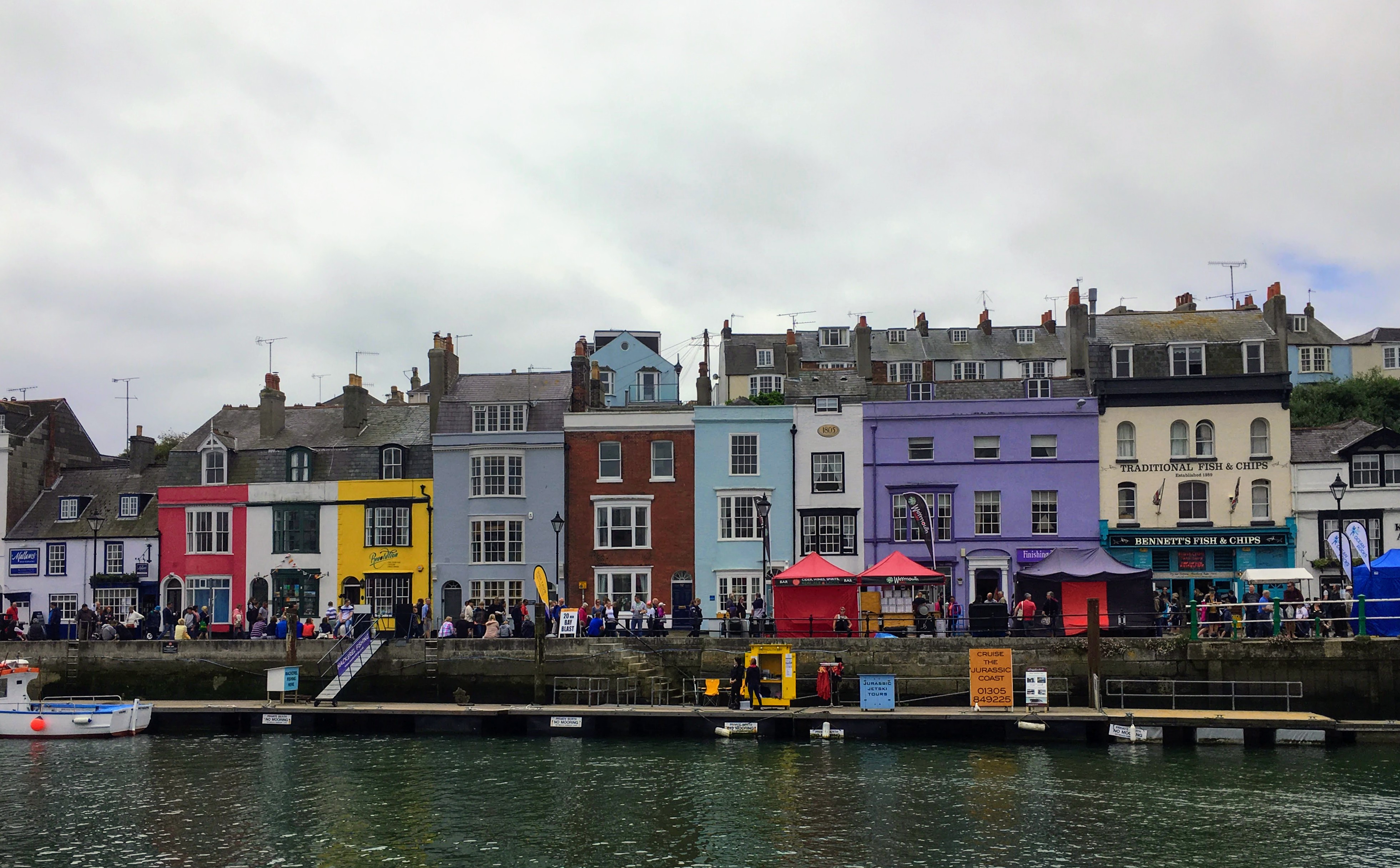
Weymouth sits roughly at the midpoint of the Jurassic Coast and makes an excellent base if you’re spending more than a day. The Georgian harbour is lovely for a wander, the esplanade stretches along a wide sandy beach, and there’s a proper seaside energy here, arcades, fish and chips, and people very much enjoying themselves. The Boat Café on the water is great for breakfast.
13. Explore Swanage
Swanage is a genuinely lovely, slightly under-the-radar seaside town at the southeastern end of the Isle of Purbeck. Clean beach, interesting architecture, good independent cafés, and a steam railway that chugs between here and Corfe Castle. It’s quieter than Weymouth and has a lovely unhurried feel, worth an afternoon if you’re in the area.
14. Take a Cruise Along the Coast
135 minutes round trip. For a different view of the coast entirely, the Poole Jurassic Coast Circular Cruise sails from Poole Harbour to Swanage and back, taking in the Sandbanks Peninsula, Brownsea Island, Studland Bay and the famous Old Harry Rocks along the way. There’s live commentary from the captain throughout and a fully licensed bar onboard, and it’s genuinely well-reviewed, 4.4 out of 5 from over 400 bookings.
Where to Stay on the Jurassic Coast
You can stay anywhere along the coast depending on your itinerary, here are the best-reviewed options by budget:
Budget Accommodation
- YHA Swanage: Clean, friendly hostel close to the beach and close to the South West Coast Path. Good for solo travellers and those prioritising getting out early for walking. Best for: solo walkers, backpackers, budget-conscious visitors.
Mid-range
- Heights Hotel (Isle of Portland): Perched above Chesil Beach with excellent views and easy access to both Portland and Weymouth. Good value and a practical base for the central section of the Jurassic Coast. Best for: explorers, couples, longer stays.
Splurge
- Moonfleet Manor (near Weymouth): A country house hotel with spa, sea views, and extensive family facilities. If you’re making a proper weekend of it rather than a day trip, this is a beautiful retreat, the kind of place where you arrive planning to check emails and end up spending the whole afternoon by the pool. Best for: couples, families, a romantic weekend.
Camping is also fantastic along this stretch of coast, there are excellent coastal campsites near Lulworth and Charmouth. None of these float your boat? Search all Dorset accommodation.
Where to Eat on the Jurassic Coast
Burton Bradstock
Hive Beach Café: Arguably the best seafood spot on the coast. Famous for fresh crab sandwiches and daily fish specials, with panoramic views of Lyme Bay. Arrive early or outside peak hours, it gets busy.
The Seaside Boarding House: A beautiful spot for an evening cocktail with panoramic sea views. The kind of place you go for a drink and end up staying for dinner.
Weymouth
Crab House Café: A relaxed, oyster-shack-style spot right on the water, another excellent lunch option if Hive Beach is too much of a detour.
Catch at The Old Fish Market: Seafood-focused fine dining with a Michelin recommendation. Perfect for a special dinner if you’re staying overnight.
The Boat Café: A floating café on the harbour serving hearty breakfasts, good coffee, and a relaxed waterfront vibe. My pick for a morning start.
Lyme Regis
Hix Oyster & Fish House: Mark Hix’s Dorset seafood restaurant, unfussy dishes built around whatever the local fishermen brought in that day, floor-to-ceiling windows over the bay and a covered deck that’s perfect for a sundowner.
Rockfish: Proper fish and chips done well, whatever’s been landed that morning cooked to order with your choice of new potatoes, salad or chips. Casual, reliable, and dog-friendly if you’re travelling with one.
Beyond these, the town has a good range of independent cafés and fish and chip shops along the seafront too, it’s the best place for a casual sit-down lunch on the coast.
How Long to Spend
One day: Absolutely doable as a day trip from London. Focus on one area: either Durdle Door and Lulworth Cove (western section) or Old Harry Rocks and Corfe Castle (eastern section). Don’t try to do both in a day on your own, you’ll feel rushed. If you’d rather let someone else handle the logistics, the Jurassic Coast and Isle of Purbeck Day Tour actually covers both sections in a single 10-hour day, Corfe Castle and Old Harry Rocks in the morning, Lulworth Cove and Durdle Door in the afternoon.
Two days: The ideal amount of time to cover the main highlights: Durdle Door, Lulworth, Corfe Castle, Weymouth, and either West Bay or Lyme Regis. Add a fossil hunt at Charmouth if time allows.
Weekend or longer: Stay for 3 to 4 nights and walk sections of the South West Coast Path, explore the Isle of Portland properly, and genuinely slow down. This coastline rewards those who linger.
Best Time to Visit the Jurassic Coast
The Jurassic Coast is walkable year-round, but the experience varies significantly by season.
Spring (April–June) is my personal recommendation for a Jurassic Coast day trip from London: wildflowers on the cliff paths, fewer crowds than summer, and long enough daylight hours to make the most of a day out. The water is still cold for swimming but the coastal walks are at their best.
Summer (July–August) is peak season, Durdle Door and Lulworth Cove get extremely busy, especially at weekends. If you’re visiting in summer, go early. I cannot stress this enough: arriving at Durdle Door at 8am on a summer Saturday is a completely different experience to arriving at 11am. The car parks fill fast and the steps down to the arch become bottlenecked with people.
Autumn (September–October) offers a great balance, the sea is at its warmest for swimming, crowds thin out noticeably from September, and the light on the cliffs in early autumn is absolutely gorgeous.
Winter (November–March) is dramatically quiet and can be stunning for photography, dramatic skies, rough seas, the cliffs looking their most ancient and wild. Fossil hunting on Charmouth beach is particularly good after winter storms when fresh material is washed up. Just dress warmly and check weather forecasts before you go.
Getting To & Around the Jurassic Coast
The most straightforward way to do a Jurassic Coast day trip from London without a car is by train. Services run from London Waterloo to Weymouth (around 2h30), Bournemouth (around 2h) and Poole (around 2h15), and from Bournemouth or Poole you can pick up local buses to Swanage, Corfe Castle and the Isle of Purbeck. Book advance tickets on Trainline, fares are much cheaper when booked ahead. National Express coaches also run to Bournemouth from London Victoria, the most affordable option if you don’t mind a longer journey.
A hire car is the most flexible option and really does make a big difference to how much you can see in a day. I drove from London and it gave me the freedom to visit Durdle Door, Lulworth, Corfe Castle, the Isle of Portland and West Bay all in one trip, which would be logistically tricky by public transport. Search for the best rates on DiscoverCars. Once you’re in Dorset, the Jurassic Coaster bus service runs along the coast between Bournemouth and Exeter, stopping at key spots, and the Swanage Steam Railway connects Swanage to Corfe Castle and Norden.
Jurassic Coast FAQ
How do I get to the Jurassic Coast from London?
By train, take a service from London Waterloo to Weymouth, Bournemouth or Poole, journey times are 2h15 to 2h30 depending on the destination. Book in advance on Trainline for the best fares. From Bournemouth or Poole, local buses and the Swanage Steam Railway connect to key sites like Corfe Castle and Studland. By car, it’s just over two hours from London, and it’s the easier option if you want to cover multiple spots in one day. Search DiscoverCars for hire rates.
What is the most iconic thing to see on the Jurassic Coast?
Durdle Door, a natural limestone arch above a pebble beach, is the Jurassic Coast’s most photographed landmark. Lulworth Cove, Old Harry Rocks, and the cliffs at West Bay (as seen in Broadchurch) are close runners-up.
Is a car necessary for a Jurassic Coast day trip?
Not essential, but it makes a huge difference to how much you can see. Trains get you to Weymouth or Bournemouth easily, and buses connect some coastal spots, but to visit Durdle Door, Corfe Castle and West Bay in the same day, a car is the most practical option. Search DiscoverCars for hire rates.
When is the best time to visit the Jurassic Coast?
Spring (April–June) and early autumn (September–October) offer the best combination of good weather, manageable crowds and beautiful light. Summer is stunning but Durdle Door and Lulworth Cove get very busy, visit early morning on summer weekends. Winter is dramatic and brilliant for fossil hunting after storms.
Can you swim at Durdle Door?
Yes, and it’s one of the best swims you can have in England. The beach is pebbly and the water is cold even in summer, but swimming through the arch is a genuinely memorable experience. Always check conditions before swimming, the area can have unpredictable currents.
Where is the best place to find fossils on the Jurassic Coast?
Charmouth and Lyme Regis are the best locations for amateur fossil hunters. The beach at Charmouth (particularly at low tide after winter storms) regularly yields ammonites and belemnites. The Charmouth Heritage Coast Centre runs guided fossil walks and can help you identify what you find.
More from the blog: Brighton Bucket List | Visiting Rye & Camber Sands | Southend-on-Sea & Leigh-on-Sea
Enjoyed this article? Support my work by buying me a latte. Otherwise, do me a great favor of leaving a comment and following me on Instagram (@travelwithpau). Feel free to say ‘Hello!’ I don’t bite. And make sure you save the article for later on Pinterest!

This post contains affiliate links. If you click one and make a booking, I may earn a small commission at no extra cost to you. I only recommend services I genuinely use and trust.
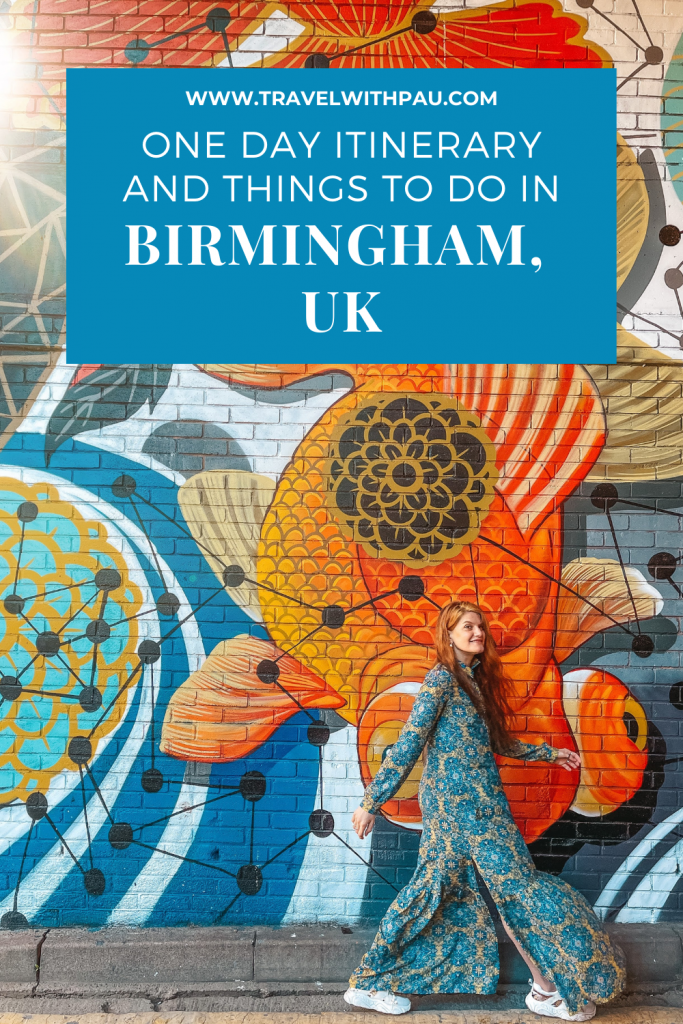
Birmingham Bucket List: The Best Things to Do in Birmingham, UK (2026)
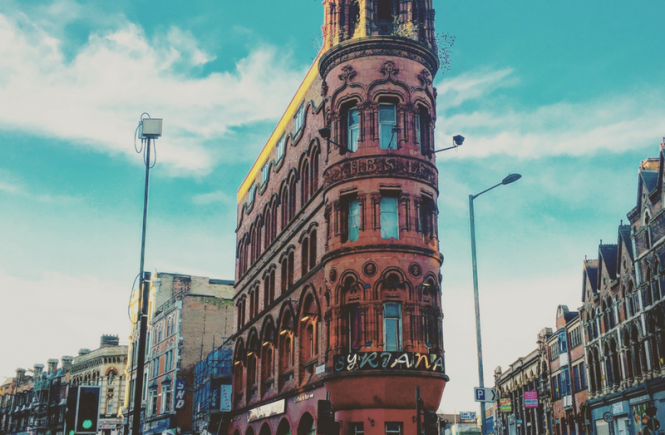
I’ve visited Birmingham from London more than seven times now, and I even lived there for a couple of weeks while renovating my own apartment just a minute from New Street Station. It’s the second largest city in the UK, the youngest too, with over 40% of the population under 25, and it has more canal waterways than Venice. Add in fine dining, serious greenery, an industrial-meets-artsy vibe (Digbeth alone could keep you busy for a day), and the fact it’s home to Cadbury’s chocolate factory, the Peaky Blinders, and the birthplace of heavy metal, and it’s a city that deserves a lot more than a rushed day trip.
This guide covers everything: my Birmingham bucket list, where to stay, where to eat, and every practical detail you need, whether you’re doing it as a day trip from London or making a proper weekend of it.

BIRMINGHAM ESSENTIALS
🚆 Getting There / Birmingham is very walkable once you’re there, and getting to it from anywhere in England is easy. Check train and coach options together on Trainline so you can pick whichever is cheapest and fastest, New Street Station puts you right in the centre of everything.
🚗 Getting Around / The city centre is compact enough to walk between most of the big sights, and there’s a solid bus network for anything further out. If you want to combine Birmingham with a Cotswolds or Stonehenge day trip, compare rental cars on DiscoverCars.
🎟️ Tours / Birmingham rewards a bit of context, especially for the Peaky Blinders history and the canal quarter. The best ones to book in advance:
Birmingham Guided City Centre Walking Tour
Slogging Gangs Walking Tour with Edward Shelby
Victorian Canals and Modern-Day Birmingham Tour
Digbeth, Public Art and Peaky Blinders Film Locations Walking Tour
🏨 Stay / I’ve stayed all over the city centre, from budget to splurge, these are the picks worth booking:
Budget: EasyHotel Birmingham
Mid-range: Hotel du Vin & Bistro Birmingham
Splurge: The Grand Hotel Birmingham
🧳 Luggage Storage / If you’re early for check-in or have time to kill before your train home, no stress, there are luggage storage points all over Birmingham. Use this website to find one nearby.
📱 Connect / Stay connected the moment you arrive. I use Holafly, use code TRAVELWITHPAU for 5% off.
🛡️ Get Insured / Even for a UK trip, it’s worth having cover. World Nomads offers coverage for over 150 activities as well as emergency medical, lost luggage, trip cancellation and more.
Birmingham Bucket List: 27 Things to Do
1. Take a Walking Tour to Get Your Bearings
If you only do one organised thing, make it this: a guided walk through the city centre to understand how Birmingham grew from a small market town into the UK’s second largest city. It’s a great way to get authentic insight into modern Birmingham life and spot a few hidden gems you’d otherwise walk straight past. Book the Birmingham Guided City Centre Walking Tour.
2. Explore the Bullring and Grand Central
Birmingham has been a marketplace since the 12th century, and that legacy has only grown over the years. The Bullring is the shopping district around Grand Central station, and it’s genuinely worth a wander even if shopping isn’t your priority, Selfridges looks like it landed from space, the Western Arcade has splendid architecture and lovely independent stores, and the Mailbox nearby is where you go for the luxury brands.
Practical info: Free to explore. Selfridges and the Bullring are a couple of minutes from New Street Station.
3. Take a Selfie with The Bull
Just outside the Bullring in Rotunda Square stands The Bull, a 6-tonne bronze sculpture by artist Laurence Broderick that’s become the symbol of the whole shopping district. It’s undoubtedly the most photographed spot in the city, and it’s impossible to walk past without stopping.
Practical info: Free, outdoors, accessible any time.
4. Wander the Canal Quarter and Brindleyplace
Birmingham’s canal quarter houses the city’s best bars, restaurants, and views, and it just makes for a lovely stroll. Brindleyplace is a beautiful square with restaurants, bars, shops and cafes right on the water, and the area is also home to the National Sealife Centre and the IKON Gallery if you want to make a proper afternoon of it. Book National Sea Life Centre entry tickets.
Practical info: Free to walk. National Sealife Centre and IKON Gallery both charge separate entry (IKON is free on Mondays).
5. Wander Gas Street Basin
Just around the corner from Brindleyplace, Gas Street Basin is the historic junction where several of Birmingham’s canals meet, all cobbled towpaths, narrowboats moored three-deep, and canalside pubs. It’s one of the prettiest, most photogenic corners of the city, and a proper reminder of why Birmingham genuinely does have more miles of canal than Venice.
Practical info: Free to walk. Right next to Brindleyplace and the ICC.
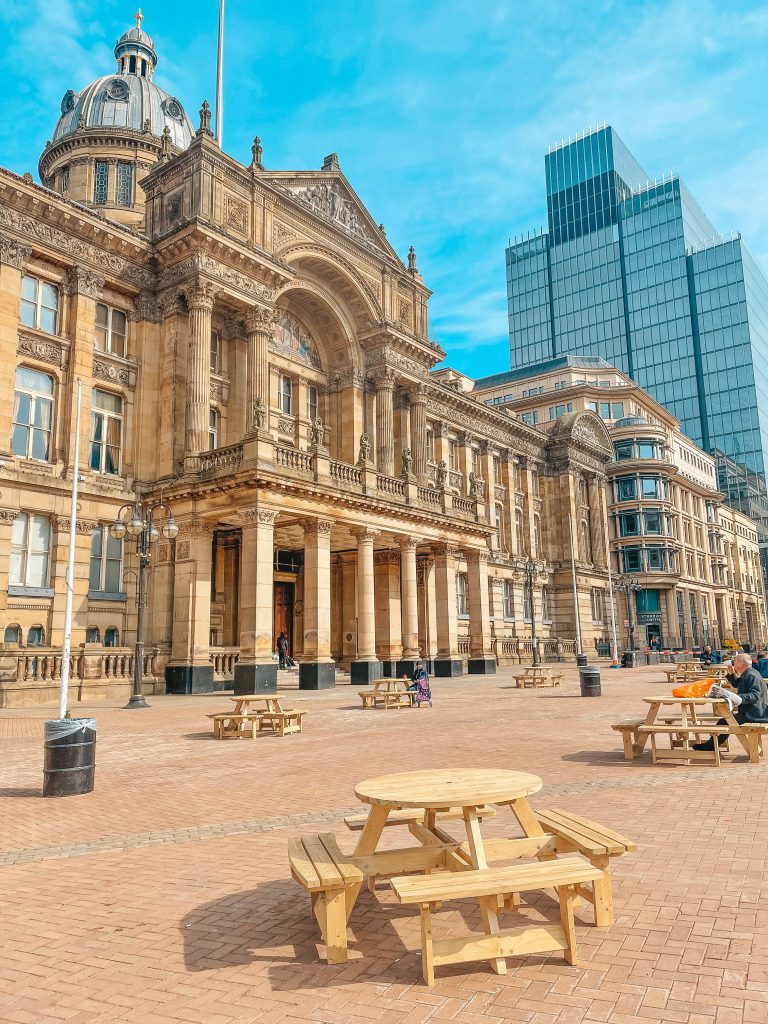
6. Admire Victoria Square and the Birmingham Museum and Art Gallery
Victoria Square is best described as Birmingham’s answer to Trafalgar Square, and at its edge sits the Birmingham Museum and Art Gallery, home to the largest collection of pre-Raphaelite paintings in the world, occupying one of the city’s finest buildings. It’s also where you’ll find the Staffordshire Hoard, the largest hoard of Anglo-Saxon gold and silver metalwork ever discovered, on permanent display.
Practical info: Free entry. Located right on Victoria Square in the city centre.
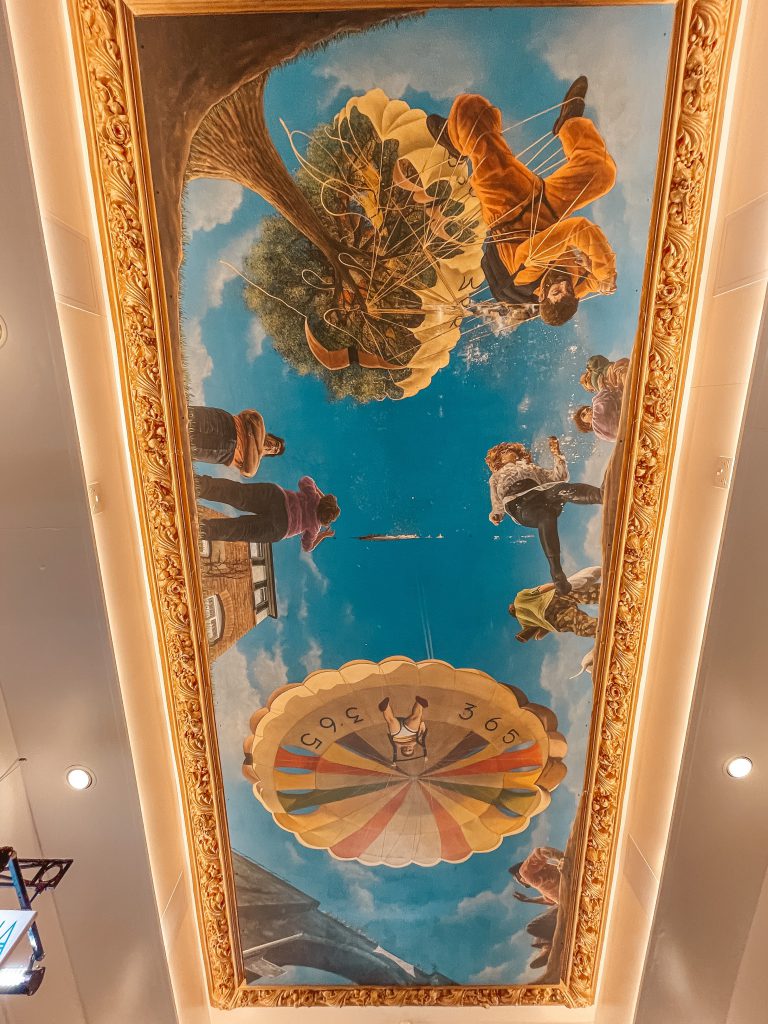
7. Look Up at the Frescoes of Piccadilly Arcade
Opposite New Street Station, this picturesque arcade has beautiful architecture and an eclectic mix of independent stores, but what really gets my attention every time is the hand-painted ceiling frescoes, they’re rather unusual and easy to walk straight under without noticing.
Practical info: Free to walk through, open during shopping hours.
8. See Tolkien’s Inspiration at Moseley Bog
Moseley Bog is a green idyll on the fringes of the city, sitting on the site of an old millpond. J.R.R. Tolkien grew up around it in the 1890s, and it’s said to be the inspiration for hobbit-hangout the Shire, while a Victorian waterworks down the road in Edgbaston is said to have inspired Sauron’s towering lair. Wander around the nature reserve full of plants, animals, gnarled old trees, and gorgeous carpets of bluebells each spring. There’s real archaeological interest here too, including two burnt mounds and the remains of an old mill dam.
Practical info: Free entry. Best in spring for the bluebells. Find it on Google Maps.
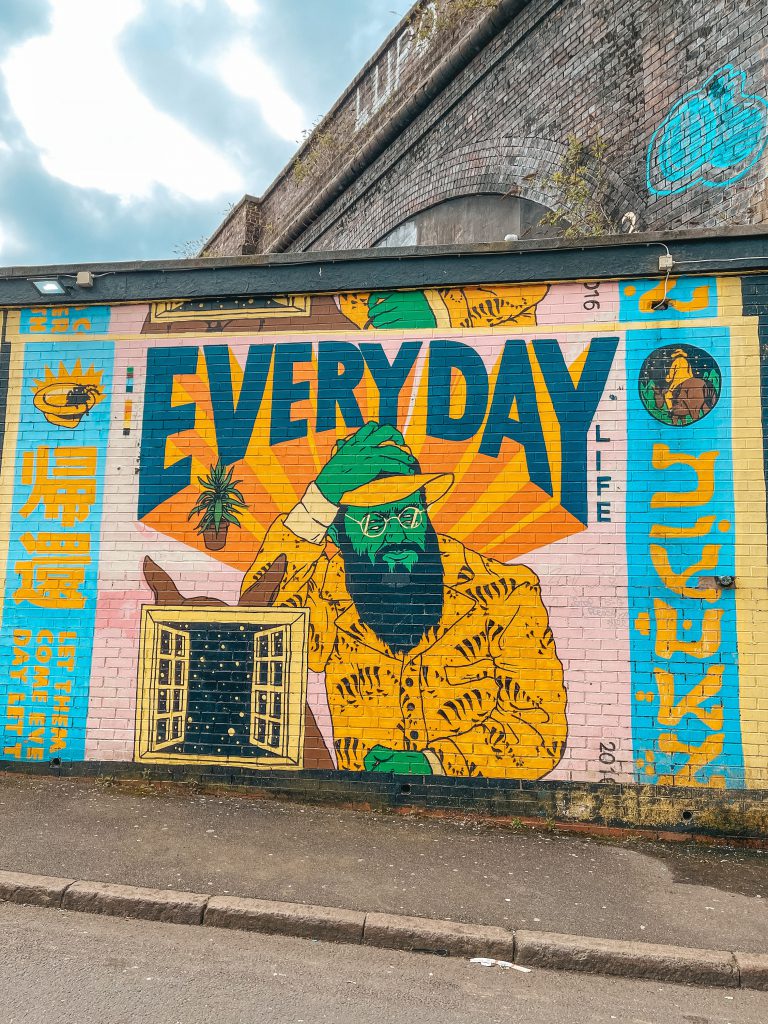
9. Admire the Street Art in Digbeth
Recently named the Coolest Neighbourhood in Britain by the Sunday Times, Digbeth is less than ten minutes’ walk from the Bullring and Grand Central, and it’s completely worth the detour. The Custard Factory is the heart of it, cafes, independent shops, cinemas, arts venues, and the weekly food and drink festival, Digbeth Dining Club. Digbeth is also Birmingham’s street art hotspot, so a walk around doubles as an open-air gallery, Bath Place is one of the best spots for it. Book the Digbeth, Public Art and Peaky Blinders Film Locations Walking Tour to get the context behind it all.
10. Explore the Jewellery Quarter
Birmingham’s Jewellery Quarter has been producing jewellery for over 250 years and still is, this is a working district, not a museum piece, with independent workshops, the Jewellers’ Clock, and genuine working goldsmiths behind unassuming shopfronts. It’s a completely different pace and character to the Bullring, well worth the wander if you want to see a side of Birmingham most day-trippers miss. Book the Discovering Birmingham Walking Tour, which winds through the “secret canal” on its way into the Quarter.
11. Eat Your Way Through the Chinese Quarter
Curry isn’t the only food scene worth crossing town for. Birmingham’s Chinese Quarter, centred around Hurst Street and Arcadian Centre, is strung with lanterns and packed with genuinely authentic Vietnamese, Japanese, Thai, and Korean restaurants alongside the Chinese ones, a proper contrast to the Balti Triangle further out.
Practical info: Find the Chinese Quarter on Google Maps.
12. Drink at Birmingham’s Craft Breweries
I’m a craft beer fan, so this one’s close to my heart. Head to Indian Brewery in Snowhill, the craft brewery behind Birmingham Lager, for a proper pint made in the city.
Practical info: Find Indian Brewery on Google Maps.
13. Play a Round at Golf Fang (formerly Ghetto Golf)
Golf Fang, inside the Custard Factory, is an 18-hole graffiti-themed crazy golf course paired with a full cocktail bar, arcade games, AR darts, and pool, adults-only and thoroughly ridiculous in the best way. It went through a £500k refurb and rebrand from its old name, Ghetto Golf, in 2026, so don’t be surprised if you see the old name still floating around online. Book Golf Fang Birmingham.
14. Play Retro Games at NQ64
Also in the Custard Factory, NQ64 is a neon-splattered arcade bar packed with retro cabinets and pinball machines alongside a proper cocktail menu, open late every night of the week. A great one to pair with Golf Fang for a full evening in Digbeth.
Practical info: Find NQ64 on Google Maps.
15. Visit The Old Crown, Birmingham’s Oldest Pub
The Old Crown is Birmingham’s oldest secular building, standing since 1368. Having survived the English Civil War, the pub and its events garden now sit proudly in the heart of Digbeth, Birmingham’s thriving creative quarter. Fun fact: it has some of the coolest, most original bar snacks in the city.
Practical info: Located in Digbeth, easily combined with a street art wander.
16. Feel Like Charlie at Cadbury World
A chocolate-focused attraction? I’m in. Just 13 minutes by train from New Street takes you to the red-brick, old-world Bournville village, built for the workers of what was once the centre of England’s chocolate empire. The demonstration area involves actual molten chocolate (and you get to eat it), and the world’s biggest Cadbury store awaits at the end, stocking concoctions you won’t find anywhere else. Book Cadbury World entry tickets.
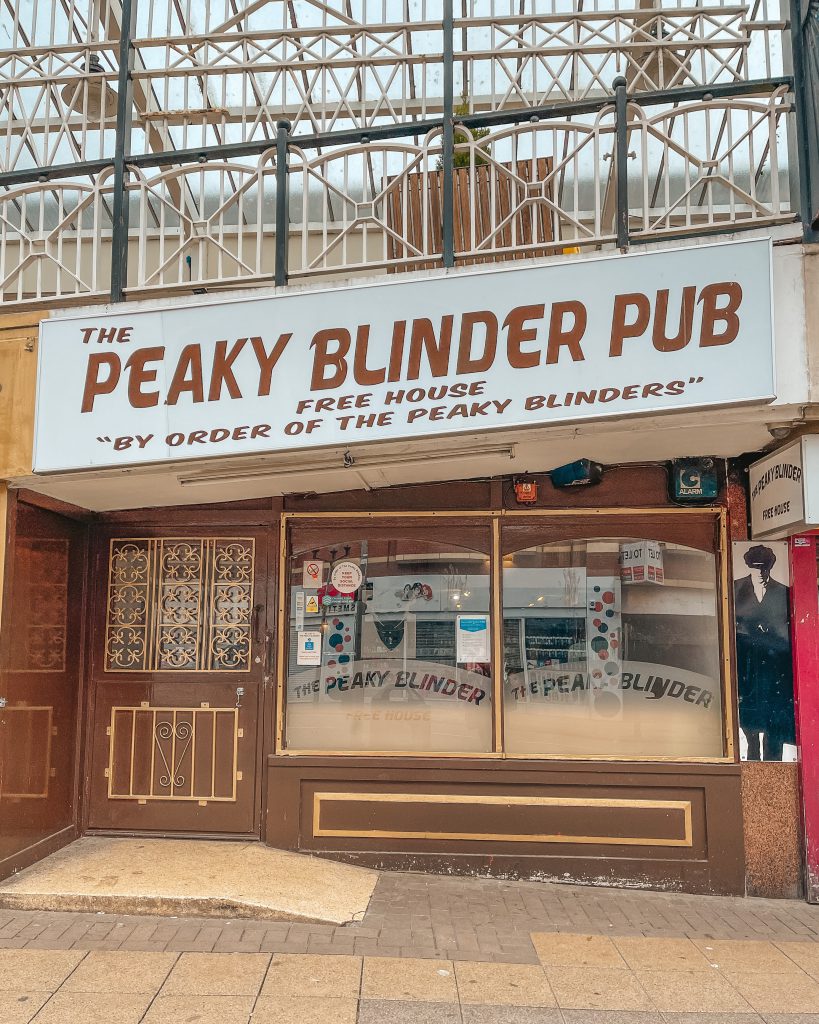
17. Follow the Footsteps of the Peaky Blinders
Learn about the real Peaky Blinders and the Birmingham slogging gangs that inspired the show on a guided walking tour through the streets they actually roamed. Book the Slogging Gangs Walking Tour with Edward Shelby.
18. Browse a Music Album Cover Fine Art Gallery
St Pauls Gallery is the world’s leading retailer of signed limited edition album cover fine art, with well over 100 signed prints on permanent show and sale. It’s not to be missed if music is your thing, especially if you’re into 60s or 70s rock, prints signed by Pink Floyd, Deep Purple, and plenty more are all on sale here, alongside exclusive musician portrait photography.
Practical info: Free to browse. Located in the city centre.
19. Sip a Cocktail in a Speakeasy
Some of Birmingham’s best bars are hidden behind unassuming storefronts and doorways. 18/81 on Thorp Street has no obvious signage, just ring the bell. 40 St Pauls is equally discreet, look for the door with the number 40 off St Paul’s Square.
Practical info: Both bars in or near the Jewellery Quarter and St Paul’s Square.
20. Have a Curry in the Balti Triangle
Birmingham is the original home of the Balti. The Birmingham Balti was born here in the late 70s, when curry chefs started making dishes lighter, healthier, and faster to serve to suit Western tastes. There’s even an area called the Balti Triangle, just south of the city centre along Ladypool Road, Stoney Lane, and Stratford Road, named for the sheer number of eateries serving curries the balti way. See the Where to Eat section below for my picks.
21. Visit Winterbourne House and Garden
Step back in time at Winterbourne House and Garden, a beautifully preserved Edwardian gem a short distance from the city centre. Built in 1903, the house offers a genuine glimpse into early 20th-century middle-class life, with many rooms restored to their original charm. Surrounding it are seven acres of exquisite botanical gardens with over 6,000 plant species from around the globe, a picturesque walled garden, and a tranquil Japanese bridge, a peaceful escape from the city and a must for history and nature lovers alike. Book Winterbourne House and Garden entry tickets.
Practical info: Entry fee applies, check the official Winterbourne website for current prices and opening days.
22. Relax in Cannon Hill Park
Cannon Hill Park is Birmingham’s biggest and most popular green space, 200 acres of formal gardens, woodland, and lakes down in Moseley. Hire a swan-shaped pedalo on the ornamental lake, play a round on the 36-hole mini-golf course, or just find a patch of grass, and it’s also home to MAC Birmingham, an arts centre with a cinema, theatre, and gallery space if the weather turns.
Practical info: Free entry to the park. Find Cannon Hill Park on Google Maps.
23. Wander the Birmingham Botanical Gardens
A different, more curated green escape to Cannon Hill or Winterbourne, the Birmingham Botanical Gardens in Edgbaston pack glasshouses, aviaries, and beautifully maintained grounds into 15 acres, a proper afternoon out if gardens are your thing. Book Birmingham Botanical Gardens entry tickets.
24. Step Inside the Library of Birmingham
The Library of Birmingham is the largest public library in Europe, and even if libraries aren’t usually your thing, this one is worth popping into for the building alone, a striking, filigree-wrapped structure in Centenary Square with a rooftop garden and sweeping views over the city. It also holds one of the most significant Shakespeare collections in the world.
Practical info: Free entry. Open Monday to Saturday, closed Sundays. Located in Centenary Square, Broad Street.
25. See How Birmingham Really Lived at the Back to Backs
The Birmingham Back to Backs is the city’s last surviving court of back-to-back houses, once the standard working-class housing across Birmingham, and now preserved and restored by the National Trust to show life there across different decades. It’s guided-tour only and genuinely moving, a side of the city’s industrial history that’s easy to miss among the shopping centres. Book your Back to Backs visit through the National Trust.
Practical info: Booking essential, tickets are released a few weeks ahead. Located in the city centre near the Bullring.
26. Go to a Candlelight Concert
Experience live music illuminated entirely by candlelight at a Candlelight Concert in Birmingham. These intimate performances feature talented musicians playing everything from classical to contemporary, all under the soft glow of hundreds of candles, a lovely, low-key evening activity. Browse Candlelight Concerts in Birmingham.
27. Catch an Immersive Experience
The best immersive experiences tend to cluster in London, but a city the size of Birmingham gets its fair share too, worth checking what’s on while you’re in town. Check what’s currently available in Birmingham.
Birmingham Day Trips
The Cotswolds: While Birmingham is a vibrant urban hub, the idyllic Cotswolds are just a short drive away and make for an excellent day trip. Known for rolling hills, picturesque villages, and honey-coloured stone cottages, the Cotswolds offer a quintessential English countryside experience, explore charming villages like Broadway or Stow-on-the-Wold and soak in the tranquillity. Book the Cotswolds Full-Day Tour from Birmingham.
Stonehenge and Bath: A longer but genuinely worthwhile day out, combining England’s most famous prehistoric monument with the Roman baths and Georgian architecture of Bath. Book the Stonehenge and Bath Day Tour from Birmingham.
Warwick Castle and Stratford-upon-Avon: The closest day trip on this list, both are only around 40 minutes from Birmingham by car or train, and just nine miles apart from each other, easily combined into one day. Climb the ramparts of the medieval Warwick Castle, then wander Stratford-upon-Avon, Shakespeare’s birthplace and final resting place. Book Warwick Castle entry tickets.
Where to Stay in Birmingham
Make a weekend of it if you can, get to Birmingham on a Friday and stay through Saturday for two full days of exploring.
Budget: EasyHotel Birmingham
An affordable choice for travellers on a budget, offering clean, compact rooms in a central location, perfect for a simple and practical stay.
Mid-range: Hampton by Hilton Birmingham Broad Street
A budget-friendly yet comfortable option with well-appointed rooms, free breakfast, and a convenient location close to nightlife and attractions.
Mid-range: Staybridge Suites Birmingham
Perfect for longer stays, this all-suite hotel offers modern, spacious accommodation with kitchenettes and complimentary breakfast, right in the city centre.
Mid-range: Hotel du Vin & Bistro Birmingham
A charming, characterful hotel housed in a historic building, known for cosy rooms, exceptional dining, and a central location.
Splurge: Malmaison Birmingham
A stylish boutique hotel in the Mailbox district, with chic rooms, a trendy bar, and a relaxing spa. Ideal for a modern, upscale stay.
Splurge: The Grand Hotel Birmingham
A beautifully restored historic hotel with luxurious rooms, elegant interiors, and excellent dining, right in the heart of the city centre.
None of these float your boat? Search all Birmingham hotels.
Where to Eat in Birmingham
Breakfast: try Medicine Bakery, a lovely, relaxed spot for brunch and pastries before a day of exploring.
Drinks: try Indian Brewery, the craft brewery behind Birmingham Lager, in Snowhill, a proper local pint.
For curry, head to the Balti Triangle along Ladypool Road, Stoney Lane, and Stratford Road, or one of these standout spots across the city:
- Opheem: Michelin-starred, for a proper special-occasion curry.
- Lasan: A long-standing favourite pairing Indian food with cocktails.
- Raja Monkey: A local favourite for a laid-back curry night.
- Asha’s: Named after the legendary Bollywood playback singer, glamorous and reliably good.
- Itihaas: A step above the average Balti house, worth it for a treat.
- Tamatanga: More relaxed and social, great for a group.
- Rajdoot: One of the Balti Triangle originals.
One Day and Weekend Itinerary
If you only have one day, start at the Bullring, stroll around and make sure to visit both arcades (Piccadilly and Western), then walk through the canal quarter and drop into St Pauls Gallery, have a curry for lunch, then head to Digbeth for another stroll, drinks, and food in the evening at Digbeth Dining Club, and make sure to pop into The Old Crown.
If you make a weekend of it (which I recommend), use the second day to visit Moseley Bog, Cadbury World, and the Peaky Blinders walking tour.
Getting To & Around Birmingham
You can take a bus or train from pretty much anywhere in England. Check train and coach options together on Trainline so you can compare and pick whichever is cheapest and fastest, New Street Station drops you right in the middle of the action. If you’re planning day trips out to the Cotswolds or further, a rental car gives you more flexibility, compare rates on DiscoverCars.
Once you’re there, Birmingham is a genuinely walkable city with a great bus system for anywhere slightly further out, you won’t need a car for the city centre itself.
Birmingham FAQ
Is Birmingham worth visiting?
Absolutely. It’s the UK’s second largest city, with world-class museums, a thriving food scene (it’s the birthplace of the Balti), a genuinely cool street art neighbourhood in Digbeth, and enough history and quirky attractions to fill a full weekend.
How many days do you need in Birmingham?
One full day covers the city centre highlights, the Bullring, the canal quarter, and a curry in the evening. A weekend lets you add Cadbury World, Moseley Bog, and the Peaky Blinders walking tour without rushing.
Is Birmingham a good day trip from London?
Yes, trains from London take around 1.5 hours, making it a very doable day trip, though a weekend gives you a much fuller picture of the city.
What is Birmingham famous for?
The Bullring, the Peaky Blinders, being the birthplace of heavy metal, Cadbury’s chocolate, the Balti curry, and having more canals than Venice.
What is the best area to stay in Birmingham?
The city centre around New Street Station and the Mailbox puts you within walking distance of almost everything. Digbeth is a great alternative if you want to be closer to the nightlife and street art scene.
Do I need a car in Birmingham?
No, the city centre is very walkable and the bus network covers everything else. A car is only useful if you’re planning day trips out to the Cotswolds or further afield.
Enjoyed this article? Support my work by buying me a latte. Otherwise, do me a great favor of leaving a comment and following me on Instagram (@travelwithpau). Feel free to say ‘Hello!’ I don’t bite. And make sure you save the article for later on Pinterest!
This post contains affiliate links. If you click on one and make a purchase, I might make a small commission, at no extra cost to you in order to help support my blog.
LONDON 101: the essentials to your first visit


Welcome to the most amazing city in the world! If it’s your first time, well sir or madam, you’ve got your hands full! There is a gazillion things to do in London, more than someone could ever do. But you gotta start somewhere, so start with the below. If you’ve managed to finish these then check out my list of more unusual things to do.
Buckingham Palace, Hyde Park & Kensington Palace, St James Park, Green Park
Buckingham Palace, the Royal icon of London, is surrounded by beautiful parks: Hyde Park, St James Park & Green Park. Make sure you walk them all and burn those fish & chips! Although you can visit it on your own, I recommend you take the free tour from Sandemans instead to get a bit of context on what you are seeing. It covers these areas and a bit more of what I mention below. If you are around at 11.00 AM you can see Buckingham Palace’s change of guard.
Last, towards the most western part of Hyde Park you will find the lovely Kensington Gardens and Kensington Palace which you can chose to visit inside.
Covent Garden, Soho, Regent Street & Oxford Circus
These are all mostly great shopping & eating destinations just in the heart of the city. Again the guidelines are to just walk around and go check out the places that call your attention. Start in Oxford Circus and check out the big stores.
If you are the artsy type the most prestigious art galleries in the New Bond St and they are free of charge, usually with pretty cool exhibitions. If you are the luxurious type or just like window shopping the expensive brands make a turn on Regent Street. A nice store to visit is the Liberty London Tudor builiding building, gorgeous on the outside and inside.
After that, walk into Soho for more shopping or eating. The best bars and restaurants are here. If you are a music lover drop by Ronnie Scotts, a legendary jazz club, or Ain’t Nothin but Blues Bar – which I also mention in this article. Last, head to Covent Garden’s pretty cobbled streets, walk through the Seven Dials, where seven streets converge, and make another shopping stop at Covent Garden Market.

Westminster Abbey & Big Ben
Also a stop in the Sandemans tour, you can’t leave London without a picture of the most famous, tallest and biggest clock tower: Big Ben. Close by you’ll find Westminster Abbey where the coronation and burial ceremonies of British Royalty take place. It’s a majestic gothic abbey but if you are not into churches at all it’s fine to skip and just enjoy its outside as it’s pricy.
Leicester Square, Piccadilly Circus & watching a West End musical or play
The famous Leicester Square is well known due to its concentration of cinemas and theaters, this is typically where the big movies premieres take place so if you are lucky you may spot some celebs. Then walk down to Piccadilly Circus, the British version of the Times Square for a picture of its neon signs.
Your visit to London isn’t complete without watching a musical in the West End. If you haven’t seen Les Miserables, the West End version is impeccable. Have an inner child? Then you might try Wicked. Looking for something different? Then go with Book of Mormon, from the creators of South Park. There is no rule for buying the cheapest tickets unfortunately, what I usually do is check Amazon tickets and the app TodayTix and then compare the prices with the play’s official page. If you are unsure about the seating, then SeatPlan is your friend.

Camden Town
This London neighborhood is famous for its markets: Camden Lock Market, Stables Market & Buck Street Market. You can find all kinds of things, from clothing to antiques and great street food. Camden is also famous for selling bizarre & “alternative” clothing and items. You mustn’t miss the Cyberdog store, it will blow your mind! The are also has great pubs & bars, some with live music, great for a night out.
Notting Hill and Portobello Market
Another London neighborhood, most famous for the Portobello Market, the largest antiques market in the world, and for, well the movie! The main street features colorful houses and cute antiques & vintage clothing stores, great for a photo op.

The Tower of London & Tower Bridge
Tower of London, one of my favourite tourist attractions, this historic castle, founded in 1066 is a gem of British history and great entertainment. Don’t be put off by its entry price, it’s worth it. Make sure you allow enough time to visit and try to book online to skip the line.
Right outside you’ll find the famous gorgeous bridge you see in all London pictures which is not London Bridge, it’s Tower Bridge so don’t confuse them!

The pub, a pint, fish & chips & English Breakfast
If I have to choose something that represents the UK and brings its inhabitants together, I choose the pub.
The pub is everything! The pub is for eating, drinking, meeting with family and friends, etc. Grandmothers and grandparents go alone, or with their children and their grandchildren, even if they are newborns. In the morning, at noon, in the afternoon and at night. It’s always a good time to go to the pub.
You must try the English Breakfast or “Full English”, which typically consists of eggs, bread, sausage, bacon, mushrooms, baked beans, roasted tomatoes and hash brown. A delicious bomb! And in many places they make their vegetarian or vegan version. Perfect to start a long day of sightseeing.
At lunch or dinner, have Fish & Chips. It consists of cod or haddock breaded in a mix of beer, eggs and flour, and then fried. Finally, many chips as a side. And to drink, have a pint of beer!
St Paul’s Cathedral, walking along the Thames, Shakespeare’s Globe & Borough Market
Start by visiting the beautiful Cathedral of St Paul, if you wish to go inside you need to pay. The Thames river is also one of London’s main icons and walking along it is a lovely experience. Alongside it you’ll find the Shakespeare’s Globe, a reconstruction of the Elizabethan Globe theatre. The original theatre was created in 1599 and demolished in 1644. You can go see a play for as little as £5 (standing). It is also beautiful inside. As a warning, your English level will affect your experience – most plays are in old English and even natives struggle to understand it!
Last, you MUST go to Borough Market. It’s one of London’s largest food markets which means lots of variety, yumminess and free tastings! Try to avoid weekends if possible.
London’s FREE museums
Start jumping up and down, London’s museums are free and there is lots of them! Below a list and a brief description so you can chose:
British Museum: Go if you are into ancient stuff.
Imperial War Museum: Go if you are into knowing more about WWI & WWII.
Museum of London: Go if you want to learn more about the city’s history.
National Gallery: Lots of old art, think from Renaissance (think Italian religious art) to Modern (think impressionism) but no new stuff.
Natural History Museum: Think lots of stuffed animals, dinosaurs. For nature fans.
Science Museum: Go if you are really into science, all kinds of machines and how things work.
Tate Modern: Newer art, you’ll find modern (from not so long ago) & contemporary (from today) art here. It’s on the Thames so you can visit it while you walk along it.
Victoria & Albert Museum: Decorative arts, really awesome colorful things to see!
Regents Park & Primrose Hill
Another gorgeous park of the city located in Central London. Bring yourself a nice picnic, and head to Primrose Hill, also in the park, for great views of London.

Abbey Road: get your version of the Beatle’s cover!
Follow the steps of the fab four and take picture on the famous zebra crossing featured on the Abbey Road cover. This is a real street used by real cars so just try to not get run over by a car. Right besides it is Abbey Road studios. Also, be careful, the crossing is not on the Abbey Road tube station but on St John’s Wood station which are in completely different places in the city.
Harrods
Although the only thing you might be able to buy here is food, this luxury department is a must visit. You’ll find the crème de la crème on everything: clothes, decoration, electronics, food, toys, health & beauty and the list goes on. Be prepared to be wowed by the offerings, and by how expensive they are!
Viewing London from above
Your visit to London is not over without a great picture of London from above! For this you have several options: The London Eye, The Shard or the Skygarden. As I explain in this post the Skygarden is the best and most budget friendly option (it’s free), but it gets booked really in advance so you might have to consider the other two if you are a bad planner!

Hampton Court Palace
This royal palace and it’s gardens are beautiful, fun and full of history. I do recommend visiting them – better on a sunny day! The visit takes at least half day as it’s located in Greater London and there is a lot to cover. You’ll take great pictures!