Last Updated on August 28, 2026
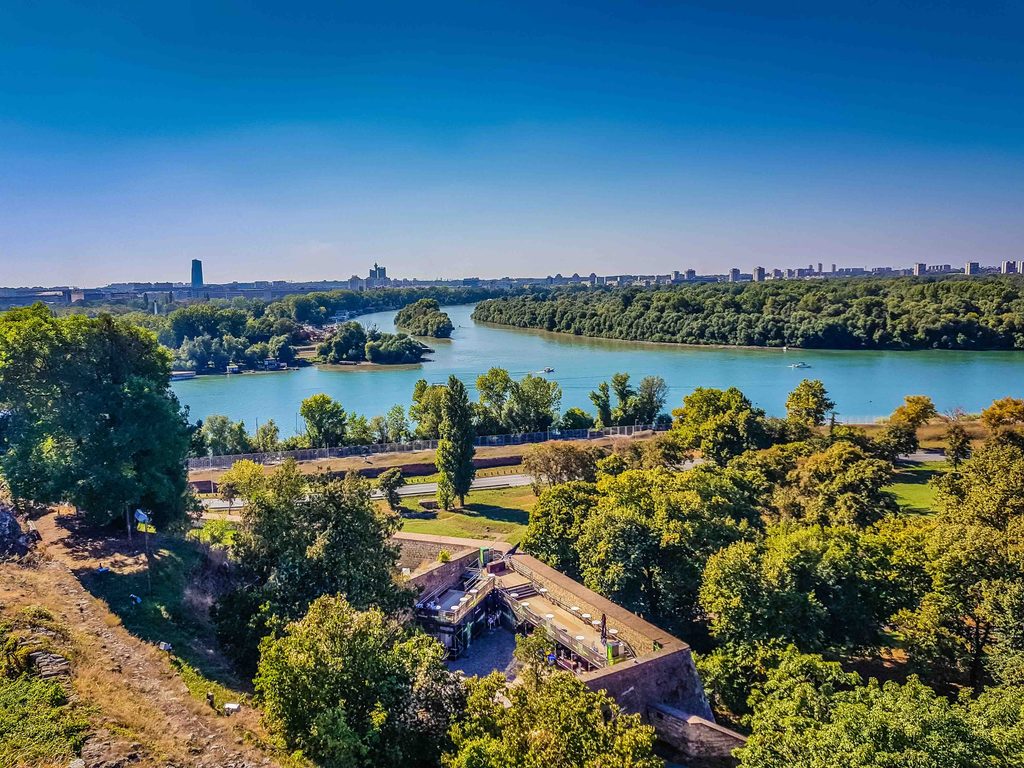
I visited Belgrade last year and came home genuinely surprised. It’s not that I expected nothing, it’s that what Belgrade actually is bears almost no relation to what you might imagine from the outside. It’s gritty in places and effortlessly elegant in others. The fortress that sits above the confluence of the Sava and Danube is extraordinary. The kafanas in Skadarlija are exactly as atmospheric as the postcards suggest, except cheaper and better. And the nightlife, the famous floating clubs moored along the riverbanks, is unlike anything else in Europe.
What Belgrade does, quietly and without making a fuss about it, is give you an enormous amount for very little money. Museum entry fees that cost less than a London coffee. Restaurant meals that would be twice the price anywhere west of Vienna. Hotels that are genuinely excellent at rates that feel almost unrealistic. It’s the kind of city that rewards curiosity, and I came home with far more photos than I expected to.
Here’s everything worth knowing before you go.
BELGRADE ESSENTIALS
✨️ Getting There / Wizz Air flies direct from London Luton to Belgrade, and Air Serbia operates routes from Heathrow, flight time is around 2 hours 45 minutes. Book a private airport transfer with WelcomePickups for a fixed-price, no-stress arrival, Belgrade Nikola Tesla Airport is 18km from the city centre and the airport taxi scene can be chaotic for first-timers. Search flights on Skyscanner.
🚗 Getting Around / Belgrade is a great base for a Serbian road trip, Novi Sad is 90km north, Nis is 230km south, and the western countryside (Zlatibor mountain, Drvengrad, the Drina River) is within a few hours. The city itself is manageable by tram and foot, but a car unlocks Serbia properly. Compare rental cars on DiscoverCars, prices are excellent by Western European standards.
🎟 ️ Tours / Belgrade rewards a local guide. The best to book in advance:
Belgrade Must-See Introduction City Tour
Underground Fortress Tour with Sparkling Wine
Rakija Tasting Walking Tour
Belgrade Street Food and Drinks Tour
Northern Serbia and Pannonia Legacy Full-Day Tour
🏨 Stay / Skip the endless scrolling, these are the ones I’d point a friend toward, Stari Grad (Old Town) and the Savamala waterfront district are the best bases, most things are walkable from either:
Budget: Green Studio Hostel
Mid-range: Townhouse 27
Splurge: Square Nine Hotel
🧳 Luggage Storage / If you’re early for check-in or have time to kill before a flight, no stress, there are luggage storage points around Stari Grad and the main train station. Use this website to find one nearby.
📱 Connect / Stay connected from the moment you land with an eSIM. I use Holafly, use code TRAVELWITHPAU for 5% off.
🛡️ Get Insured / Things can and do go wrong when you travel. World Nomads offers coverage for over 150 activities as well as emergency medical, lost luggage, trip cancellation and more.
Belgrade Bucket List: 20 Things to Do
1. Explore Belgrade Fortress (Kalemegdan)
The fortress complex that has guarded the confluence of the Sava and Danube for over 2,000 years is Belgrade’s defining sight, and it’s free. Kalemegdan’s upper and lower fortresses, Roman ruins, medieval towers, military museum, and sweeping views of the two rivers make this an easy two-hour wander, longer if you go at sunset, which you absolutely should. The Upper Town’s viewpoint at dusk, with the rivers below and the Novi Beograd towers lit on the far bank, is one of Europe’s great free views.
Practical info: Fortress grounds free, small fee for Upper Town tower entry. Open daily, 24 hours. Allow 1.5 to 2 hours minimum. Book the Belgrade must-see introduction city tour to cover it properly, or go deeper with the underground fortress tour with sparkling wine, taking in the Roman Well, a bunker, and the Gunpowder Magazine.
2. Visit the Temple of Saint Sava (Hram Svetog Save)
One of the largest Orthodox churches in the world, the Temple of Saint Sava has been under construction since 1935 and is still, technically, being finished, the interior mosaics (50 million pieces of Murano glass and gold leaf across 1,248 square metres) are an ongoing labour of extraordinary scale. What’s complete is breathtaking. But the real highlight is downstairs: the crypt, with its gold-vaulted ceiling, glittering chandeliers, and hushed intensity, is arguably more impressive than the main nave. Dress modestly, shoulders and knees covered.
Practical info: Free entry. Daily 7am to 8pm. Go early morning or late afternoon to avoid tour groups. Book a Saint Sava Temple guided tour if you want the history properly explained.
3. Wander the Skadarlija Bohemian Quarter
Belgrade’s answer to Montmartre, Skadarlija is a cobbled, pedestrian street lined with 19th-century kafanas (traditional Serbian taverns) where accordionists serenade you over roasted meat and rakija. Tri Sesira (Three Hats) is the institution, open since 1864, live traditional music every evening from 7pm, but Dva Jelena and Sesir Moj are both excellent. It’s touristy, yes, but genuinely atmospheric in a way that doesn’t feel put on. Come in the evening, order the grilled meat platter, and lean into it.
Practical info: Free to wander. Kafana meals typically 1,200 to 2,500 RSD (around £9 to £18) per head. Book ahead for Tri Sesira or Dva Jelena on weekend evenings. Book the Belgrade downtown walking tour, which includes Skadarlija.
4. Spend a Day at Ada Ciganlija
A river island on the Sava that locals call “the Sea of Belgrade,” and in summer, with the shingle beach packed and the cafe terraces full, you understand why. Ada Ciganlija is where Belgraders spend their summer weekends: swimming in the Sava lake created between the island and the bank, cycling the forested paths, playing tennis, or just sitting in a beach bar with an Efes. It’s a side of Belgrade that tourists often miss entirely, which makes it worth seeking out.
Practical info: Free to visit. Tram 7, 9, or 11 from the city centre, or a 20-minute taxi. Busiest June to September, quieter in shoulder months but still pleasant for a walk.
5. Explore the National Museum of Serbia
Reopened in 2018 after a 15-year renovation, the National Museum on Republic Square holds over 400,000 artefacts, Serbian medieval icons, the 12th-century Miroslav Gospel (one of the oldest Cyrillic manuscripts), and a fine European painting collection including works attributed to Rubens and Renoir. It’s compact enough to do in two hours, but rich enough to stay longer.
Practical info: Permanent collection 300 RSD (around £2.15), combined ticket 600 RSD (around £4.30). Free on Sundays. Tue to Wed and Fri 10am to 6pm, Thu and Sat noon to 8pm, Sun 10am to 6pm, closed Mondays.
6. Visit the Nikola Tesla Museum
A small but superb museum dedicated to the Serbian-American inventor, holding his personal effects, original documents, and the star exhibit, Tesla’s ashes in a gilded sphere. The guided electromagnetic coil demonstrations and lightning shows are spectacular and run on a fixed schedule. Advance booking is not optional in summer, walk-ins are not accepted. Cash only (Serbian dinars).
Practical info: English-language guided tour 800 RSD (around £5.75), Serbian tour 400 RSD (around £2.90), free for under-7s. Mon 10am to 6pm, Tue to Sun 10am to 8pm. Book well ahead in summer at tesla-museum.org. Book a Belgrade city tour combined with the Nikola Tesla Museum to guarantee your slot.
7. Wander Zemun
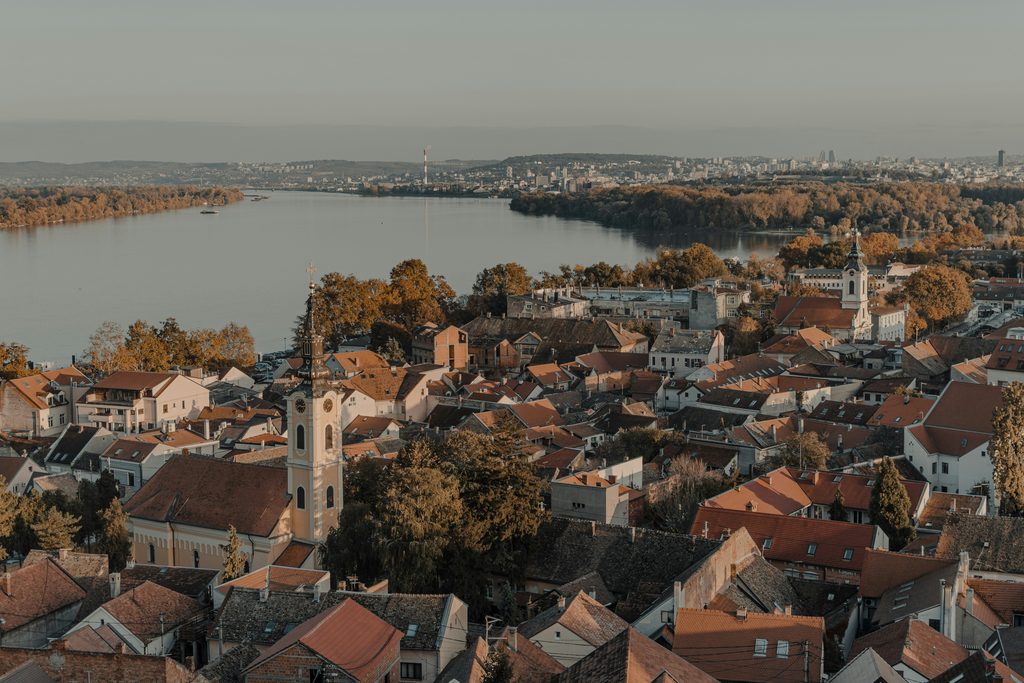
Technically part of Belgrade but feeling like an entirely separate, quieter Central European town, Zemun was under Austro-Hungarian rule until 1918, which is why it has Baroque churches and Habsburg architecture rather than Ottoman or brutalist Belgrade. Walk the cobbled Gardos hill up to the Millennium Tower for panoramic Danube views, then come back down to the Quay of the Liberation for riverside fish restaurants and cafe terraces. One of my favourite parts of the whole trip.
Practical info: Free to explore. Millennium Tower entry around 50 RSD (roughly £0.36). Best reached by taxi (around 500 to 700 RSD from centre) or bus 84 from Zeleni Venac. Book an e-scooter tour of Zemun to cover more ground in less time.
8. Climb Gardos Tower (Millennium Tower), Zemun
Perched on the highest hill in Zemun, this neo-Romanesque tower was built by Hungary in 1896 to mark the millennium of the Magyar conquest. Gardos Tower now offers the best viewpoint over Zemun’s rooftops and the Danube, with the spires of St Nicholas Church in the foreground. Combine it with the Zemun quay and you have a perfect half-day away from the main city.
Practical info: Entry around 50 RSD (roughly £0.36). Book an e-scooter tour of Zemun.
9. Take a Danube and Sava River Cruise
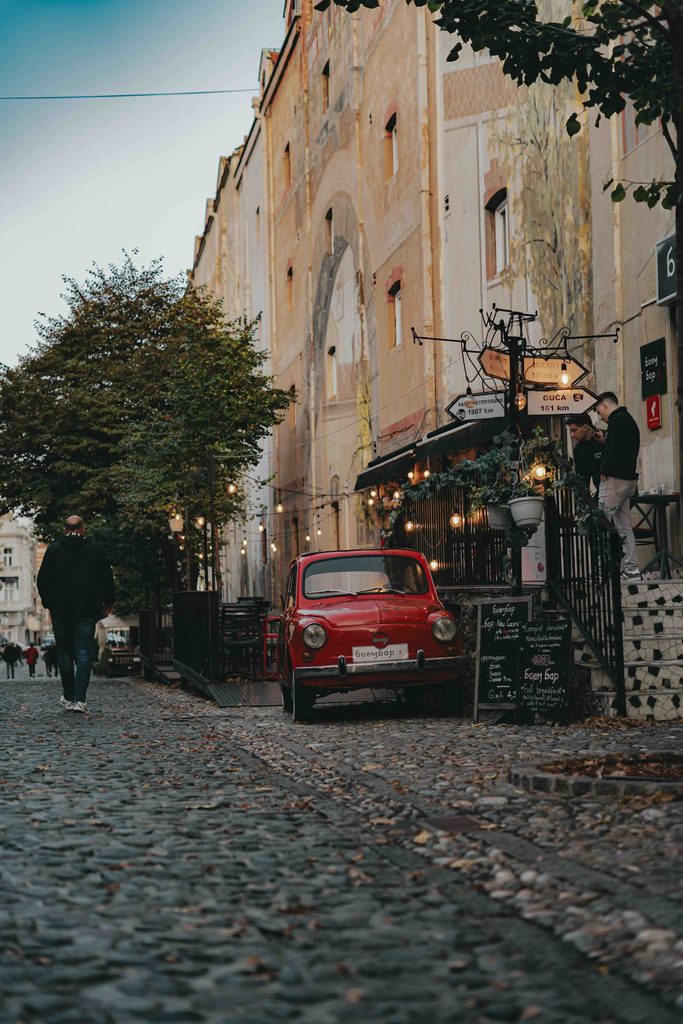
The confluence of the Sava and Danube, the point where two rivers of distinctly different colours meet, is best seen from the water, alongside the fortress walls, the bridges, and the Novi Beograd skyline. Day cruises and sunset options both depart from the Beton Hala (Concrete Hall) waterfront on the Sava, near Karadjordjeva Street. The sunset cruise is particularly good.
Practical info: Sightseeing cruise from around £25 per person. Multiple departures daily in summer, reduced schedule off-season. Boarding point: in front of restaurant Ambar, Karadjordjeva 2 to 4. Book the guided sightseeing cruise, or the sunset cruise with a live guide for golden hour on the water.
10. Go on a Rakija Tasting Tour
Rakija, fruit brandy, most classically plum (sljivovica), though quince, pear, and apricot varieties are all excellent, is Serbia’s national spirit and as embedded in daily life here as wine is in France. A dedicated rakija tasting tour is the best way to understand the culture properly: you visit traditional producers, taste properly aged versions alongside fresh young spirits, and get a sense of the ritual around it. It’s also, frankly, very good fun.
Practical info: Tours from around £34 to £49 per person, various departure times. Book the rakija brandy tasting walking tour (9 glasses, 3 venues), or go broader with the street food and drinks tour, 20+ tastings including rakija.
11. Experience the Splavovi (Floating River Clubs)
Belgrade has one of the most distinctive nightlife scenes in Europe, and the splavovi, floating clubs and bars moored along the Sava and Danube, are its signature contribution. These are not rafts with a DJ. Modern splavovi are fully equipped venues with professional sound systems, large dance floors, and the open-air format (no roof, river breeze, city lights reflected on the water) is unlike anything you’ll find in Western Europe. Runs May to September, peak nights Thursday to Sunday from 11pm. Famous venues include Freestyler, Lasta, and Leto.
Practical info: Entry usually free or 500 to 1,000 RSD (around £3.60 to £7.20). Drinks from around 300 RSD (£2.15). Book a Belgrade nightlife tour if you want a guide to navigate the scene, or a social pub crawl with club entry.
12. Visit the Museum of Yugoslavia and Tito’s Grave (House of Flowers)
A fascinating complex in the upmarket Dedinje neighbourhood that tells the story of the Socialist Federal Republic of Yugoslavia through propaganda posters, diplomatic gifts, and personal artefacts. The centrepiece is the House of Flowers: Tito’s mausoleum, where the Yugoslav leader lies beneath a glass-roofed greenhouse. It’s atmospheric, quietly moving, and far more nuanced than you might expect from a Communist-era monument.
Practical info: Adults 400 RSD (around £2.90), students 200 RSD (around £1.45), children under 10 free. Free on 4 May (death anniversary) and 25 May (Youth Day). Tue to Sun 10am to 6pm, closed Mondays. Boticeva 6, Dedinje, around 5km from centre. Book the Tito and Yugoslavia short tour by car, or the Red Belgrade communist tour, which includes the Museum of Yugoslavia.
13. Stroll Knez Mihailova Street
Belgrade’s main pedestrian boulevard, Knez Mihailova is 600 metres of neo-Baroque buildings, bookshops, pavement cafes, and the Serbian Academy of Sciences and Arts. It runs from Republic Square down to the gate of Kalemegdan Fortress, making it the natural spine of any Old Town walk. The evening promenade (korzo) is a genuine local tradition: generations of Belgraders walking back and forth, meeting friends, and lingering in the warm air.
Practical info: Free to walk. Cafes open from morning through late. Book a Belgrade city centre guided walking tour, which covers Knez Mihailova.
14. Take in Republic Square (Trg Republike)
The symbolic heart of Belgrade, Republic Square is dominated by the equestrian statue of Prince Mihailo and flanked by the National Museum and National Theatre. It’s the natural starting point for any walk through the Old Town and the convergence point of Belgrade’s daily life, political gatherings, informal rendezvous, street musicians, and the korzo evening stroll all happen here. Worth pausing in at different times of day.
Practical info: Free.
15. Explore the Savamala Creative District
Belgrade’s post-industrial Sava waterfront has been transformed into a hub of galleries, design studios, cultural spaces, and underground clubs, Mikser House, KC Grad, and the bars around Karadjordjeva Street are where the creative city congregates. The Belgrade Waterfront (Beograd na Vodi) luxury development sits alongside, offering a glossier contrast. Savamala is where you feel the city’s energy most directly, and it’s especially good on weekend evenings.
Practical info: Free to explore. Cafes and galleries from noon, clubs from midnight. Book the Belgrade alternative walking tour, which covers Savamala.
16. Escape to Topcider Park and the Residence of Prince Milos
One of Belgrade’s most beautiful and consistently overlooked green spaces, Topcider Park is home to the Residence of Prince Milos, a remarkable Ottoman-Balkan palace from 1831 with original furnishings and portraits. A 200-year-old plane tree stands in the grounds. The park’s forested paths and the nearby Church of the Holy Trinity make this a lovely half-morning excursion when you need a break from the city.
Practical info: Park free, small entry fee for the Residence of Prince Milos. Open Apr to Oct 10am to 5pm, Nov to Mar 11am to 4pm. Tram 3 from the city centre.
17. Climb Avala Tower
A striking piece of 1960s Yugoslav modernism rebuilt after NATO bombing in 1999, the 204.8m Avala Tower stands on Mount Avala 16km south of Belgrade and offers 360-degree views over the city, the rivers, and the wooded hills of central Serbia. Three bronze caryatid statues of unnamed Yugoslav women stand at the base, one of the most quietly powerful public artworks in the Balkans.
Practical info: Adults around 400 RSD (around £2.90), children around 200 RSD (around £1.45). Weekdays 10am to 4:30pm, weekends 10am to 6pm, closed Mondays, not open in high winds. Best reached by taxi (30 to 45 minutes from centre) or as part of a tour. Book the Avala Mountain tour.
18. Try Burek and Cevapi
No Belgrade visit is complete without a morning stop at a local pekara (bakery) for burek, a flaky filo pastry filled with minced meat, cheese, or spinach, sold by weight and eaten warm from the tray with thick yoghurt (jogurt) poured over it. Cevapi (grilled minced meat rolls, served with flatbread and raw onion) are the other essential snack, eaten standing at street kiosks at all hours of the day. Both are achingly cheap and genuinely delicious.
Practical info: Burek around 150 to 300 RSD (£1.10 to £2.15). Cevapi around 250 to 400 RSD (£1.80 to £2.90). Pekaras open from 6am, cevapi kiosks from lunchtime. Book the street food and drinks tour, 20+ tastings including burek, cevapi and rakija.
19. Cool Off at Skyfall Rooftop Pool
It was properly hot when I visited, and my hotel didn’t have a pool, so I spent an afternoon at Skyfall, a rooftop pool and lounge in New Belgrade instead, and it turned out to be one of my favourite afternoons of the whole trip. Two pools, a lounge bar, decent food, and genuinely good views over the city, it’s a day-to-night spot so it fills up and shifts gears as the sun goes down.
Practical info: Entry 2,500 RSD on weekdays, 3,500 RSD on weekends, 21+. Bulevar Mihajla Pupina 165b (third floor, above Dolly Bell restaurant). Open Mon to Fri 11am to 8pm, Sat to Sun 10am to 8pm. Book online in advance, reservations are only held for 2 hours after opening due to limited capacity.
20. Eat Moskva Cake at Hotel Moskva
Hotel Moskva, Belgrade’s grandest Art Nouveau landmark on Terazije Square, is worth a visit for the building alone, but the real reason to go is the cake. The Moskva snit, a fruit sponge made with almonds, cherries, pineapple, and homemade cream, has been made to the same 1974 recipe ever since, and it’s such a genuine Belgrade institution that the hotel’s pastry shop bakes something like 20 tonnes of it a year. Grab a slice in the cafe and people-watch on Terazije for a while.
Practical info: Cafe Moskva, Terazije 20. A slice of Moskva snit is cheap, a few hundred RSD. Open daily from early morning.
Belgrade Day Trips
Serbia is a strikingly varied country and Belgrade puts you within easy reach of some genuinely exceptional things. These are the day trips worth building your itinerary around.
Novi Sad, Sremski Karlovci and Fruska Gora
Serbia’s beautiful second city is just 90km north (30 minutes by fast train). The Petrovaradin Fortress hosts the EXIT music festival each July, and Sremski Karlovci, a small Baroque wine town minutes away, is the spiritual home of Serbian wine, a glass of Bermet is obligatory. Add on Fruska Gora, the “Holy Mountain” of Serbia, 16 Serbian Orthodox monasteries scattered across forested hills above the Danube, and this is one of the best full days out in the whole country. This is the tour I actually did, and I loved it, an hour through the colourful Pannonian Plain, a stop at one of the Fruska Gora monasteries, Sremski Karlovci’s quiet Baroque streets, and a taste of Bermet, the famous Serbian wine that once made it onto the Titanic. Book the Northern Serbia and Pannonia legacy full-day tour.
Golubac Fortress, the Iron Gate and a Rakija Distillery
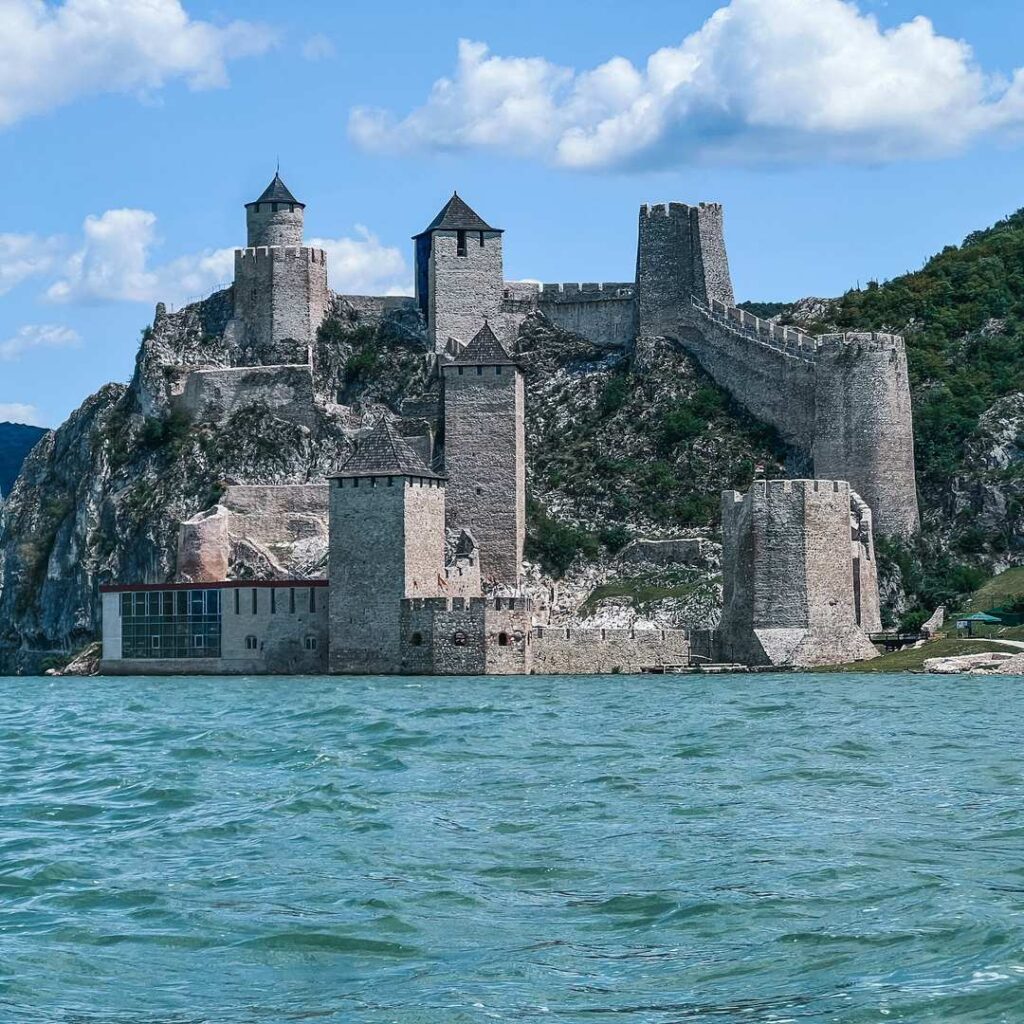
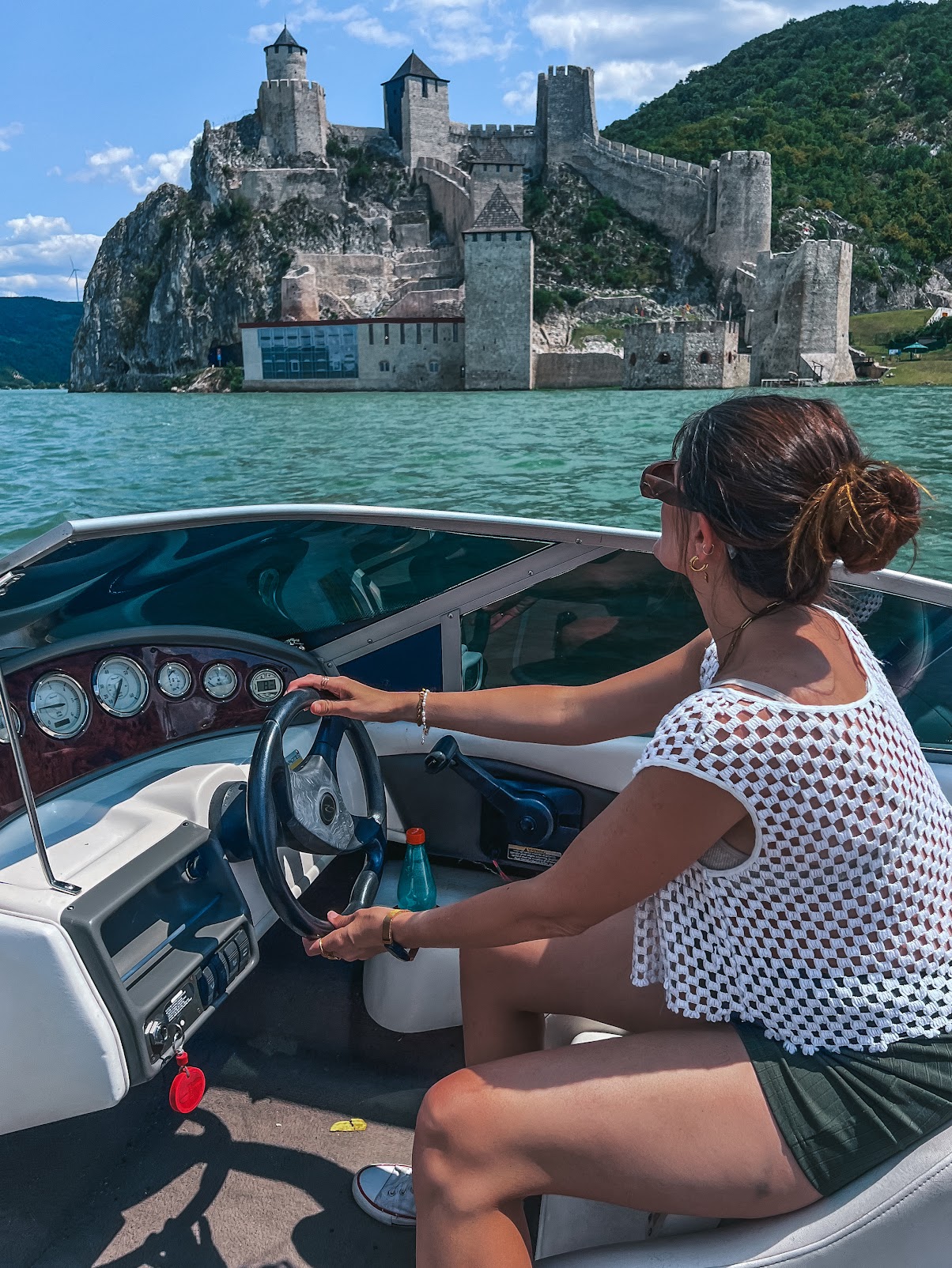
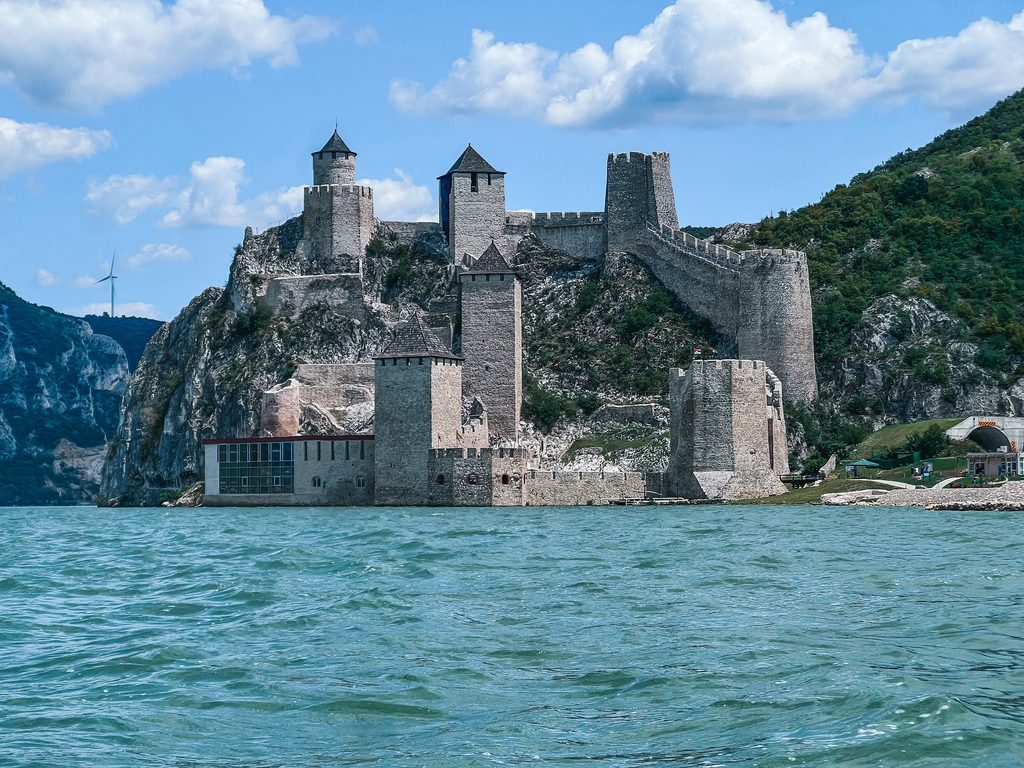
This is one of my favourite days out from Belgrade. Golubac Fortress is a genuinely fairytale medieval castle perched on the Danube, and you get some super cute photos with it in the background. The speedboat ride along the Danube’s widest point, right at the entrance to the Iron Gate (Europe’s longest gorge), is awesome, proper wind-in-your-hair stuff. The day finishes at a local rakija distillery, watching the whole production process and tasting three varieties paired with traditional meze. Book the Golubac Fortress, Iron Gate speedboat and rakija distillery tour, the speedboat runs June to October, outside that window a monastery visit is substituted instead.
Drina House, Drvengrad and Sargan 8
Emir Kusturica’s idiosyncratic ethno-village on Mokra Gora mountain (built as a film set and now a permanent village-hotel-cinema) combined with a ride on the narrow-gauge Sargan 8 heritage railway through mountain scenery. One of Serbia’s most original attractions and a full day’s adventure into the western countryside. Sargan 8 closes November to March, Zlatibor mountain visits substituted in winter. Book the best of west tour.
Nis and Devil’s Town
Serbia’s third city, 230km south (2.5 hours by train), contains the Skull Tower, a macabre and genuine Ottoman monument constructed from the skulls of 952 Serbian rebels after the Battle of Cegar in 1809. Combine with Djavolja Varos (Devil’s Town): 202 eroded earth pyramids and two acidic springs in a strange, otherworldly landscape. Genuinely one of the most memorable day trips I can think of anywhere in the Balkans. Book the full-day tour to Nis and Devil’s Town.
Onward to Sarajevo via Visegrad or Tara National Park
Not a true day trip (5 to 6 hours each way), but a private sightseeing transfer breaks the journey at Visegrad (home to a UNESCO-protected Ottoman bridge and Kusturica’s riverside Andricgrad citadel) or through Tara National Park. Best treated as a one-way journey if you’re continuing onwards to Bosnia. Spectacular scenery throughout. Book the transfer from Belgrade to Sarajevo or Mostar via Visegrad or Tara National Park.
Avala Tower, Oplenac Royal Complex and Etno Village
A satisfying full-day loop south of Belgrade combining the Avala Tower observation deck, the Oplenac church at Topola (white marble interior covered in thousands of mosaic reproductions of medieval Serbian icons, extraordinary), and a traditional ethno village stop. Ideal if you want countryside, history, and views without a very long drive. Book the Avala Tower, Oplenac Royal Complex and Etno Village day trip.
Manasija, Resava Cave and Lisine Waterfall
A proper change of scenery, this one is all nature. The day takes in Manasija Monastery, a fortified 15th-century monastery built to protect the Church of Saint Trinity from the Ottomans, an 800-metre trail through Resava Cave, one of the most visited caves in this part of Europe (bring warm clothes, it’s a constant 7°C down there), and a lunch stop by the spectacular Lisine Waterfall. Back in Belgrade by early evening. Book the Manasija, Resava Cave and Lisine Waterfall day tour.
Tara National Park and the Drina River Valley
A full round trip, not just a stopover on the way to Sarajevo. This one takes in the famous House on the Rock, a tiny solitary house perched on a rock in the middle of the Drina River (one of the most photographed spots in Serbia), Banjska Rock in Tara National Park, thought to be the most beautiful viewpoint in the country, and panoramic views over the Drina River Canyon, before heading back to Belgrade in the late evening. Book the Tara National Park & Drina River Valley tour.
Where to Stay in Belgrade
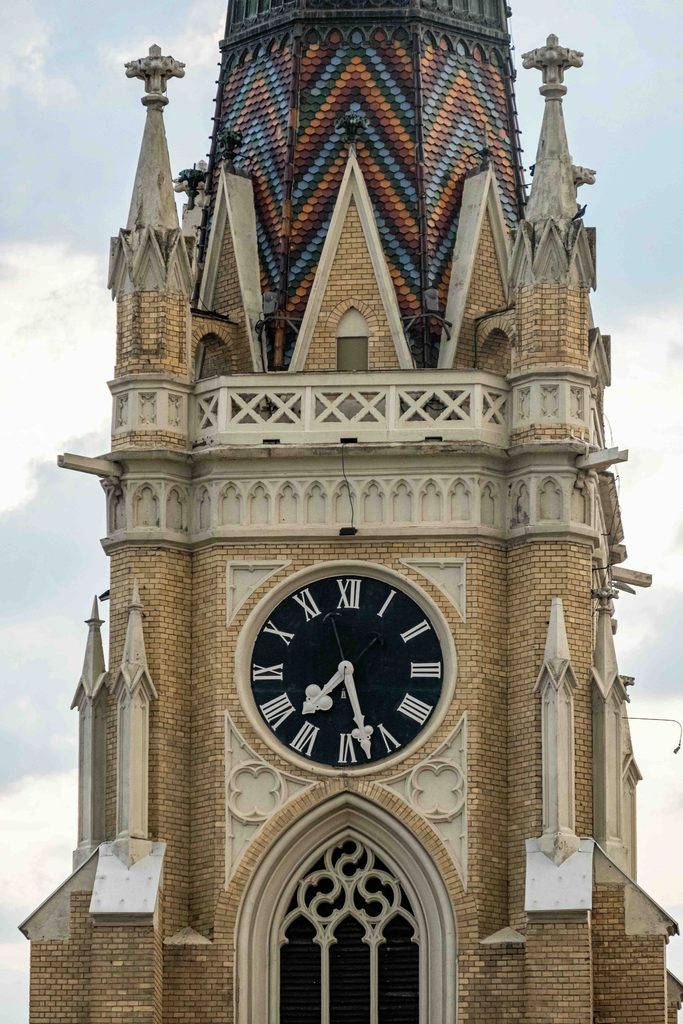
Belgrade is exceptional value by European standards, and the quality across all budget tiers is genuinely high. Stari Grad (Old Town) and Savamala put you closest to the main sights and nightlife.
Budget
Green Studio Hostel In the Savamala district, a minute from the river and the train and bus stations, right inside Belgrade’s nightlife and design hub. Featured by Lonely Planet and the Guardian. Community-run with daily art and music workshops, mixed dorms and private rooms. Dorms from around £12 a night, extraordinary value. Best for: solo travellers and creative types.
Mama Shelter Belgrade Right on Kneza Mihaila, the main pedestrian street, with 125 rooms, a rooftop bar with panoramic views, and the buzzy restaurant that makes the Mama Shelter brand work. Doubles from around £70 a night, occasionally under £60 in shoulder season. Best for: location on a slightly bigger budget.
Mid-range
Boutique Hotel Townhouse 27 A genuine find, 8 rooms individually decorated with sculptures by Gabriel Glid, free breakfast included, rated Trivago’s best hotel in Serbia and a TripAdvisor Hall of Fame property (top 1% globally). Intimate, personal, perfectly located in Stari Grad. From around £110 a night. Best for: couples and design lovers.
Radisson RED Belgrade Colourful, design-forward rooms, a rooftop bar, and a very good breakfast in a central location. All the mod cons, no surprises. From around £95 a night. Best for: reliable comfort with personality.
Splurge
Square Nine Hotel Belgrade The single finest hotel in Belgrade, designed by Brazilian architect Isay Weinfeld with Art Deco interiors, mid-century Hans Wegner furniture, and Cumaru wood detailing throughout. Rooftop pool with city views, full-service spa, two restaurants. Member of Leading Hotels of the World. Praised by The Telegraph, Lonely Planet, and Conde Nast Traveller. From around £250 a night. Best for: a truly special stay.
Metropol Palace Belgrade A grande dame hotel dating to 1957, with a magnificent mid-century lobby, 25m indoor pool, spa, and a rooftop restaurant with panoramic city views. Has hosted heads of state and rock stars in equal measure. From around £180 a night. Best for: grand hotel glamour.
None of these float your boat? Search all Belgrade hotels.
Where to Eat in Belgrade
Belgrade’s food scene is excellent and outrageously good value. Kafana culture is the backbone, traditional Serbian taverns serving roast meats, slow-cooked stews, and good local wine at prices that feel almost embarrassing by Western standards. Alongside it, a newer generation of restaurants has arrived: modern Balkan cooking, excellent wine bars, and a genuine food culture that goes far deeper than the tourist trail.
Tri Sesira (Three Hats) is the most beloved kafana in Skadarlija, open since 1864, with live traditional music every evening from 7pm. Book ahead for weekends. Order the mixed grill platter and a carafe of house red.
Ambar is a modern Balkan restaurant at the Beton Hala waterfront that takes Serbian cuisine seriously and presents it beautifully. Think slow-cooked lamb, smoked paprika dishes, and excellent mezze platters. One of the best restaurants in the city and still very good value. On the Sava at Karadjordjeva 2 to 4.
Lorenzo & Kakalamba is a long-standing Belgrade institution combining Balkan and Italian influences in a warm, relaxed setting near Skadarlija. One of those places that consistently appears on every local recommendation list. Excellent pasta and Serbian meat dishes side by side.
Zavicaj is the place for a proper traditional Serbian lunch without the Skadarlija tourist premium. Hearty bean soups, roast pork, and meze, eaten at communal tables in a no-frills setting that feels genuinely local.
Velika Skadarlija, right at the entrance to Skadarska street by the Bajloni fountain, is one of the oldest restaurants in the quarter, dating back to 1845. Traditional Serbian food, live music, and a proper old-school kafana atmosphere with waiters in uniform, it’s touristy in the best sense, the kind of place that’s popular precisely because it’s genuinely good. This one is my top pick for Skadarlija!
April Bar, tucked just behind Skadarlija on Zetska Street behind an unmarked green door covered in graffiti, is a different mood entirely, a cosy non-smoking bar with a garden strung with fairy lights. Great by day for a coffee in the green backyard, and it shifts into a proper night out with DJ sets later on.
For coffee, the kafana culture extends there too, Belgraders take their morning coffee very seriously. Artist Specialty Coffee is the pick for proper third-wave coffee, small, precise, and consistently rated one of the best in the city. Kafeterija and %Arabica also have branches for speciality coffee, or for an old-school Serbian experience, find a kafana and order a domaca kafa (traditional Turkish-style coffee).
For ice cream, Crna Ovca (Black Sheep) in Dorcol is the one worth queuing for, an artisan shop that’s made everything from kajmak to genuinely unusual seasonal flavours, less sweet and creamier than most, so it doesn’t feel like a purely summer treat.
How Long to Spend in Belgrade
2 days: Enough for the fortress, Saint Sava Temple, Skadarlija, Knez Mihailova, the National Museum, and at least one evening on the splavovi. You’ll cover the highlights but it feels fast.
3 to 4 days: The sweet spot. Adds time for Zemun, the Museum of Yugoslavia, the Tesla Museum (book ahead), Ada Ciganlija, a rakija tasting tour, and a proper night out. Also enough for one day trip, Novi Sad is the obvious choice.
5+ days: Use Belgrade as a base to explore Serbia properly. Add Fruska Gora, Nis and Devil’s Town, or the western countryside (Drvengrad, Sargan 8, Zlatibor). With a hire car, you can cover a remarkable amount of territory without it ever feeling rushed.
Getting To & Around Belgrade
Wizz Air flies direct from London Luton, and Air Serbia operates routes from London Heathrow, flight time is around 2 hours 45 minutes, and budget fares from Luton regularly come in under £80 return if you book ahead. Search flights on Skyscanner. Book a private airport transfer with WelcomePickups, Belgrade Nikola Tesla Airport is 18km west of the city and the official taxi situation at arrivals can be confusing (and expensive) for first-timers, a fixed-price transfer removes the hassle entirely.
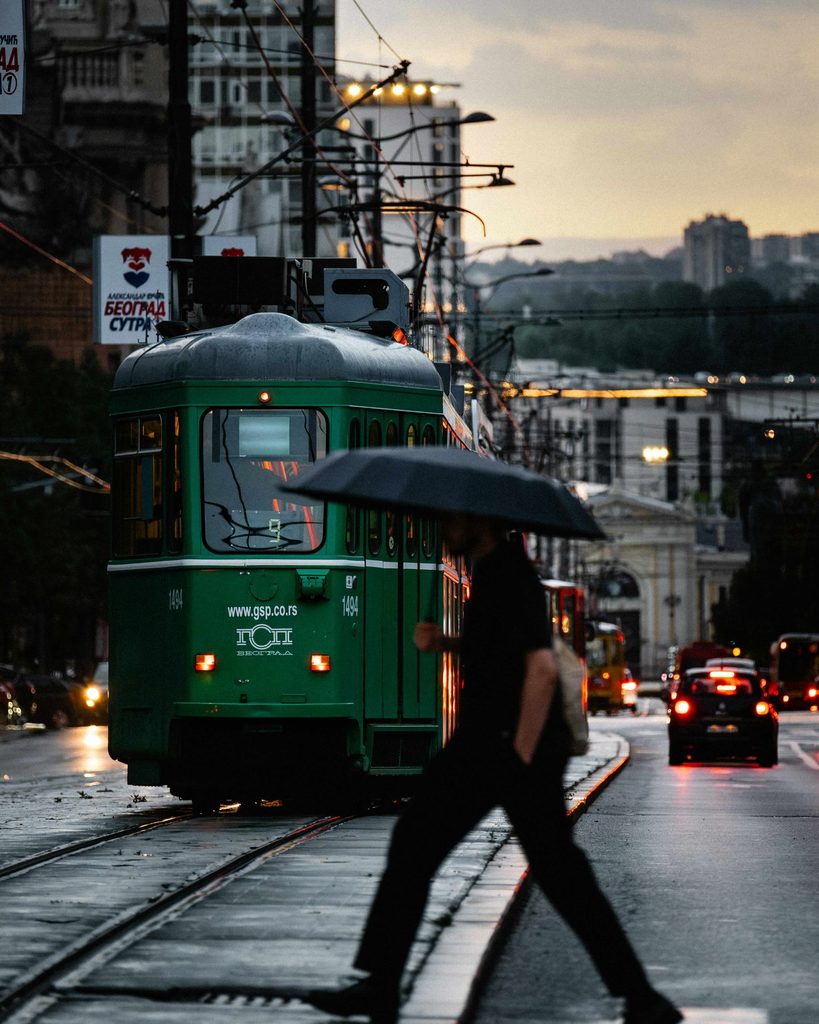
If you’re combining Belgrade with Slovenia, Croatia, or Hungary on a wider Balkans road trip, a hire car gives you flexibility that’s hard to match, compare rates on DiscoverCars. Serbia is good driving country, roads are generally well-maintained, signage is clear, and traffic outside Belgrade and Novi Sad is light. Within the city itself, trams and walking cover Stari Grad and Savamala easily.
Best Time to Visit Belgrade
Belgrade has distinct seasons and each one shapes the experience quite differently.
Spring (April to May) is when Belgrade wakes up. Terrace bars fill, the Kalemegdan park blooms, and the city is at its most effortlessly pleasant. Temperatures hover around 15 to 22°C, perfect for walking and fortress-hopping, and the crowds haven’t yet arrived. May is the sweet spot.
Summer (June to August) is warm (regularly above 30°C), lively, and the season for the splavovi, the floating river clubs that define Belgrade’s summer nightlife and are worth the trip alone. The EXIT festival in Novi Sad (July) draws huge crowds. It’s busy and hot, but this is when Belgrade is most fully itself.
Autumn (September to October) brings cooler weather, lower prices, and a more relaxed pace. The kafanas fill up as the terrace season winds down, the food markets are excellent, and the fortress is stunning on a clear autumn afternoon. September in particular is close to ideal.
Winter (November to March) is cold, January averages around 2°C, but Belgrade’s indoor culture comes into its own. Kafanas, wine bars, and jazz clubs are all the better for a grey day outside. Prices drop significantly, and the city is far less tourist-heavy. Good for those who want an authentic city experience without the crowds.
Belgrade FAQ
Is Belgrade worth visiting? Genuinely yes, and it’s consistently underestimated. The fortress and river confluence are spectacular, the food and nightlife scenes are both excellent, and the history, Ottoman, Habsburg, Yugoslav, all layered on top of each other, gives the city a complexity that takes a bit of time to appreciate. It’s also one of the most affordable capitals in Europe, which makes it easy to stay longer than planned.
Is Belgrade safe to visit? Yes, Belgrade is a safe city for tourists. The usual urban common sense applies (watch your bag in crowds, be aware of your surroundings late at night), but it’s not a high-crime destination and the locals are notably friendly and helpful. The splavovi and Savamala nightlife areas are busy and well-policed on weekend nights.
Is Belgrade expensive? Not at all, it’s one of the best-value cities in Europe. A coffee costs around 150 to 250 RSD (around £1.10 to £1.80). A kafana meal with wine comes to 2,000 to 4,000 RSD (around £14 to £29) per person. Museum entry is almost free by Western standards. Budget travellers can live very well on £50 a day including accommodation, comfortable mid-range is around £80 to £100 a day.
What currency does Serbia use? Serbian Dinar (RSD). Serbia is not in the Eurozone, though some tourist businesses accept euros. ATMs are plentiful and card payments are increasingly accepted, but carry some cash, smaller kafanas, bakeries, and the Tesla Museum are cash only.
How do I get from London to Belgrade? Wizz Air flies direct from London Luton, Air Serbia flies from London Heathrow. Budget fares from Luton start from around £60 to £80 return booked ahead. Flight time is around 2 hours 45 minutes. A private airport transfer with WelcomePickups is the easiest way into the city from the airport. Search flights on Skyscanner.

Enjoyed this article? Support my work by buying me a latte. Otherwise, do me a great favor of leaving a comment and following me on Instagram (@travelwithpau). Feel free to say ‘Hello!’ I don’t bite. And make sure you save the article for later on Pinterest!

This post contains affiliate links. If you click on one and make a purchase, I might make a small commission, at no extra cost to you in order to help support my blog.