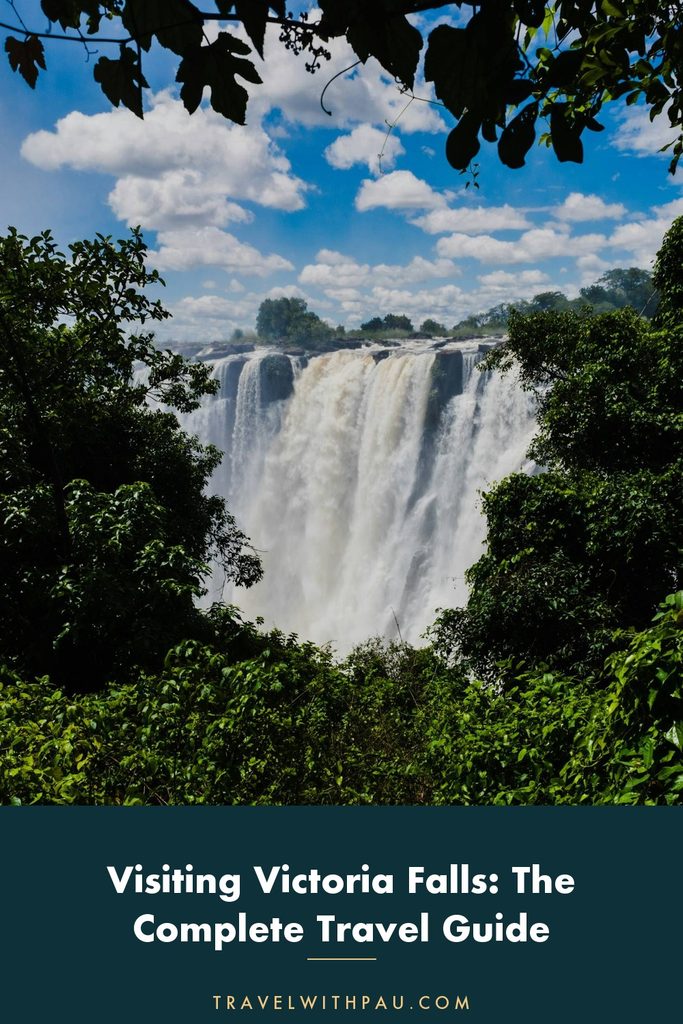
Visiting Victoria Falls: The Complete Travel Guide
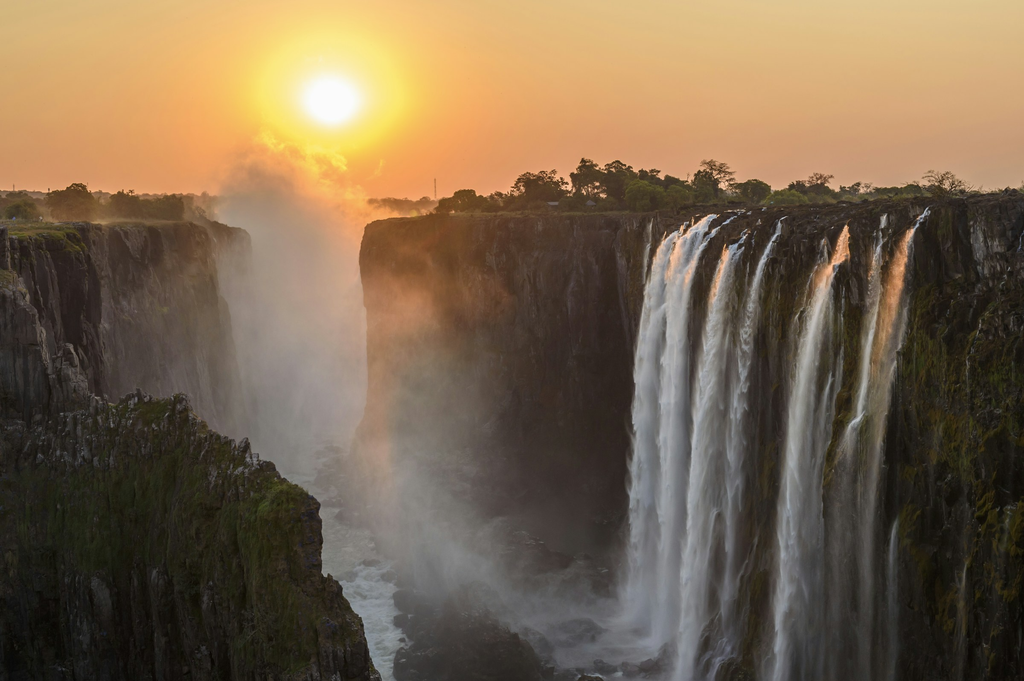
Victoria Falls is one of those places you see in photos and think, “yes, but it’s probably not actually like that.” It is. It’s exactly like that, and then some. The Zambezi River drops over a cliff edge that’s nearly 2km wide, and the roar, the spray, the rainbows, it genuinely makes you feel small in the best possible way. Trust me, you don’t want to die without experiencing this. Here’s everything you need to know about visiting Victoria Falls.
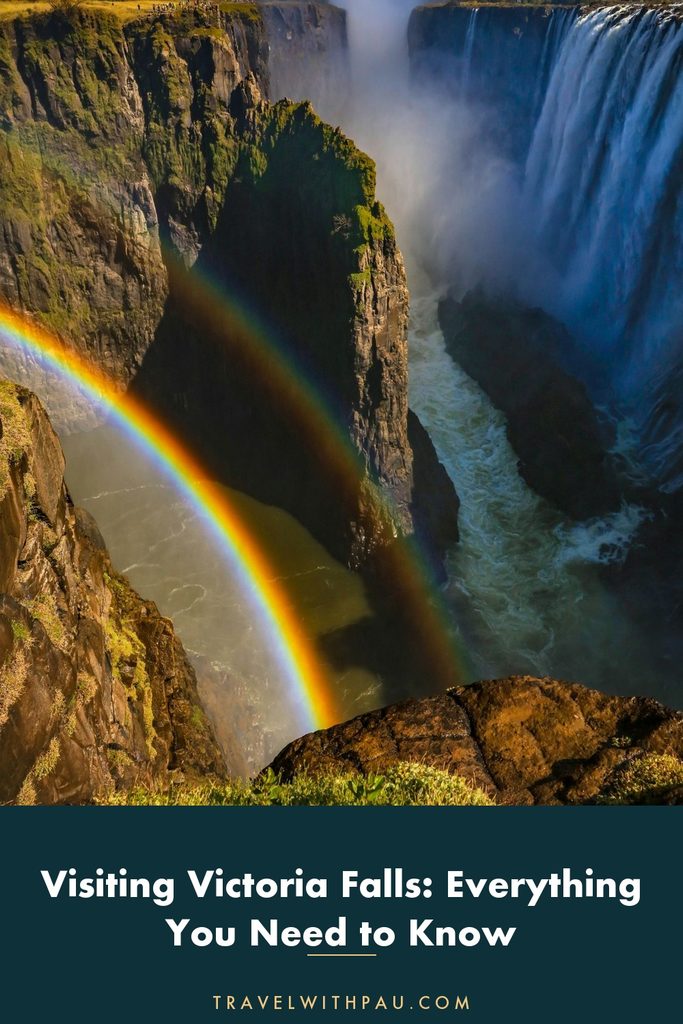
Visiting Victoria Falls: Everything You Need to Know
Victoria Falls was ‘discovered’ by the outside world in 1855, when British explorer and missionary David Livingstone became the first European to see it, writing in his diary that the sight “must have been gazed upon by angels in their flight.” He renamed it after Queen Victoria, though the name that mattered long before he ever arrived was already in use: the local Tonga people call it Mosi-oa-Tunya, “the smoke that thunders”, a name that makes complete sense the moment you’re standing in the spray.
The Tonga also believe the Zambezi is home to Nyami-nyami, a river spirit, part serpent, part fish, said to control the river’s floods and the fortunes of the people who live along it. When the Kariba Dam was built downstream in the 1950s, locals blamed a string of construction disasters and floods on his fury at being separated from his wife on the other side of the dam wall. It’s the kind of story that sticks with you once you’ve heard it, standing on that bridge over the gorge.
For the record: Victoria Falls isn’t the tallest or the widest waterfall in the world, but it holds the record for the largest single sheet of falling water on the planet, roughly double the height of Niagara Falls.
VICTORIA FALLS ESSENTIALS
✈️ Getting There / Victoria Falls town in Zimbabwe has its own airport (VFA), as does Livingstone in Zambia (LVI). Book a private airport transfer with WelcomePickups, it’s only a few kilometres to the falls from either town, but a fixed-price meet-and-greet beats negotiating with airport touts when you’ve just landed. Search for international flights on Skyscanner.
🎟️ Tours / The activities at Victoria Falls range from sublime to ridiculous (in the best possible way). Book the most popular ones in advance, they do sell out:
– Victoria Falls Zimbabwe National Park Entry + Tour
– Devil’s Pool at the Edge of Victoria Falls (Zambia)
– Victoria Falls Bungee Jump from the Bridge
– White Water Rafting on the Zambezi
– Zambezi Sunset Cruise with Drinks
– Flight of Angels Helicopter over the Falls
– Chobe National Park Day Trip with Lunch
Browse all Victoria Falls tours and activities
🏨 Stay / Victoria Falls town (Zimbabwe side) is my recommendation for a base, it’s quiet, walkable, and close to everything:
– Budget: Joyful Vista Guest Lodge
– Mid-range: Shoestrings Backpackers & Budget Lodge
– Splurge: Victoria Falls Hotel
📱 Connect / Worth knowing before you land: Zimbabwe isn’t covered by any regional African eSIM plan, so if you’re staying in Victoria Falls town, pick up a local Econet SIM instead, they’re cheap and widely available at the airport or in town. If you’re crossing over to the Zambia side too, I use Holafly there, use code TRAVELWITHPAU for 5% off, it works well on that side of the border, just not the Zimbabwean one.
🛡️ Get Insured / With activities like bungee jumping, white water rafting, and helicopter flights on offer, travel insurance is non-negotiable here. World Nomads covers adventure activities and is what I use every trip.
Zimbabwe vs Zambia: Which Side Should You Visit?
You can visit from both countries, and I’d recommend doing and staying in both if you have the time.
Zimbabwe side is generally considered to give better overall views of the falls, more of the main curtain is visible from the pathway, and the walk through Mosi-oa-Tunya park on the Zimbabwe side is excellent. The town of Victoria Falls is more tourist-friendly, with more accommodation options, restaurants, and activity operators. This is where I stayed and I’d recommend it as your base.
Zambia side is where you access Livingstone Island and the Devil’s Pool (dry season only), this alone makes it worth crossing for a day. The Zambia side is also better for views of the Eastern Cataract. The town of Livingstone is slightly less polished than Victoria Falls town but has a good backpacker scene.
Practical info for crossing: The two sides are connected by the Victoria Falls Bridge, which includes an immigration post. You’ll need to pay entry fees on each side (around US$20–30 per person per park) and most nationalities will need a visa for both Zimbabwe and Zambia, a KAZA UNIVISA covers both countries and is the easiest option (around US$50). You can get it on arrival at Victoria Falls Airport or the border, or apply online in advance at evisa.gov.zw to skip the queue. Always check current visa requirements for your nationality before you travel.
Allow about 30 minutes for the crossing, including immigration.
Things to Do at Victoria Falls
1. Visit the Falls Themselves: Zimbabwe Side
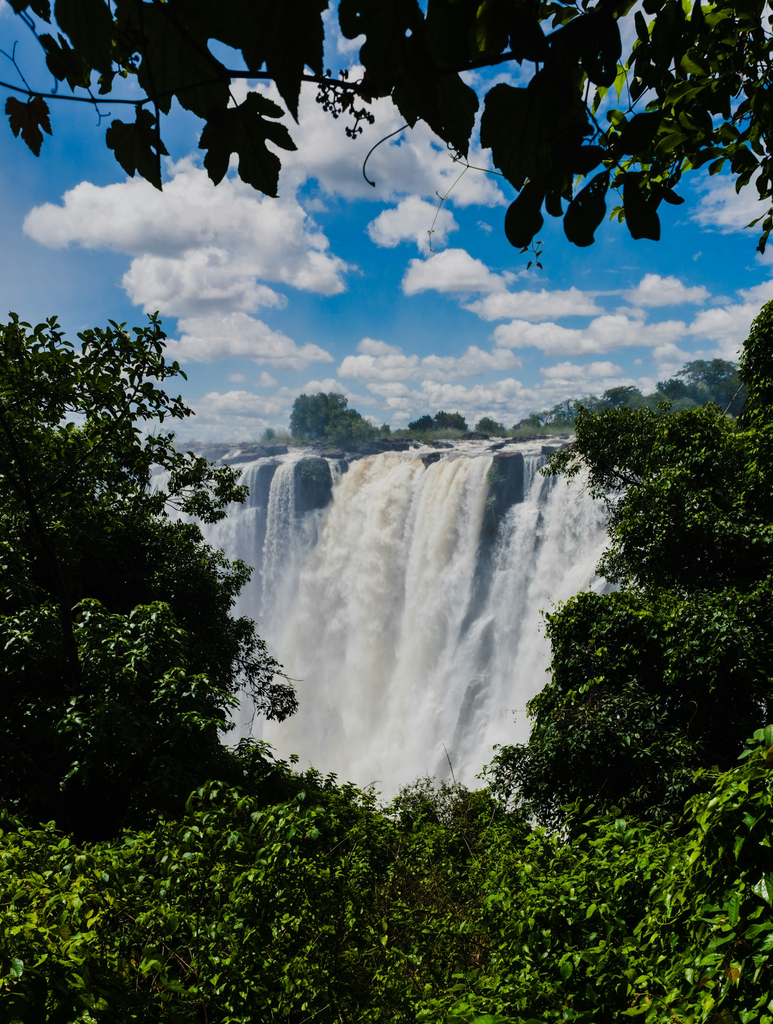
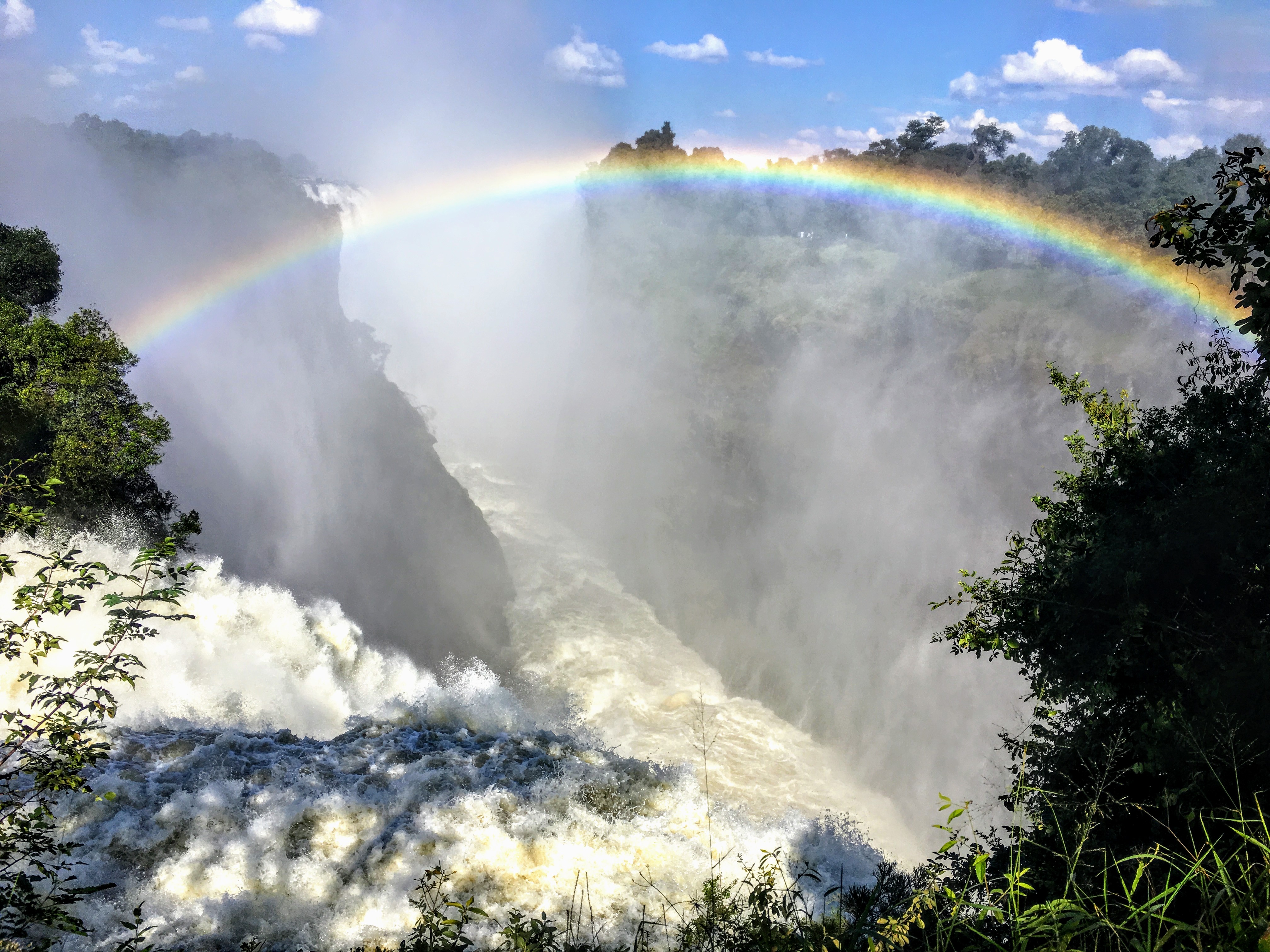
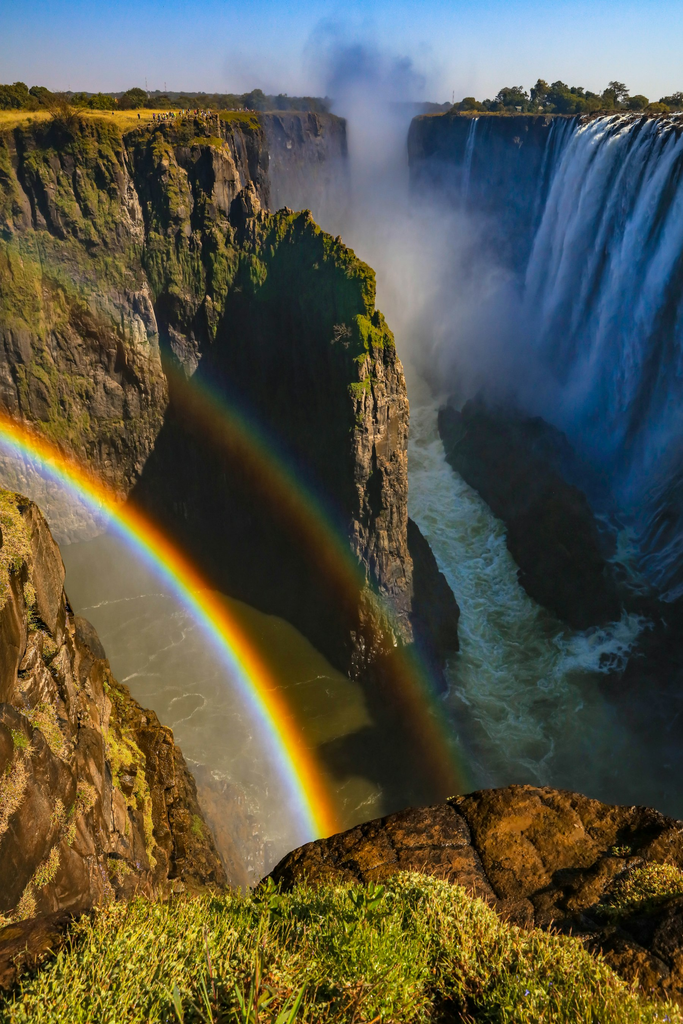
The Zimbabwe side of Mosi-oa-Tunya National Park gives you the best overall perspective on the falls. A pathway runs along the top of the gorge with a series of viewing points, some closer, some more panoramic, each one revealing a different angle on the spectacle. Bring a waterproof jacket and a dry bag for your phone: you will get soaked, even on a dry day. In wet season, expect to be completely drenched within minutes. I was completely soaked from head to toe, the equivalent of being under water.
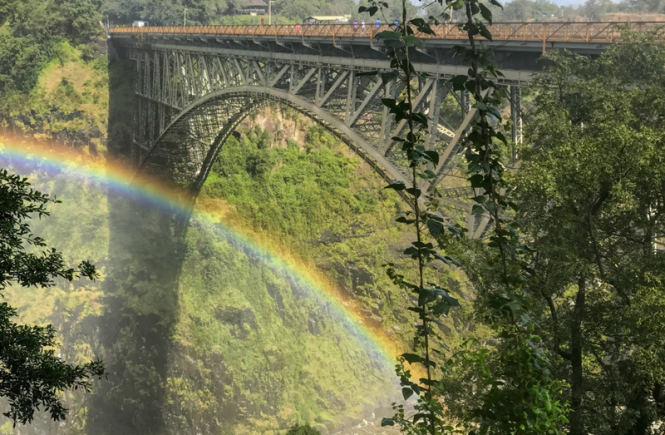
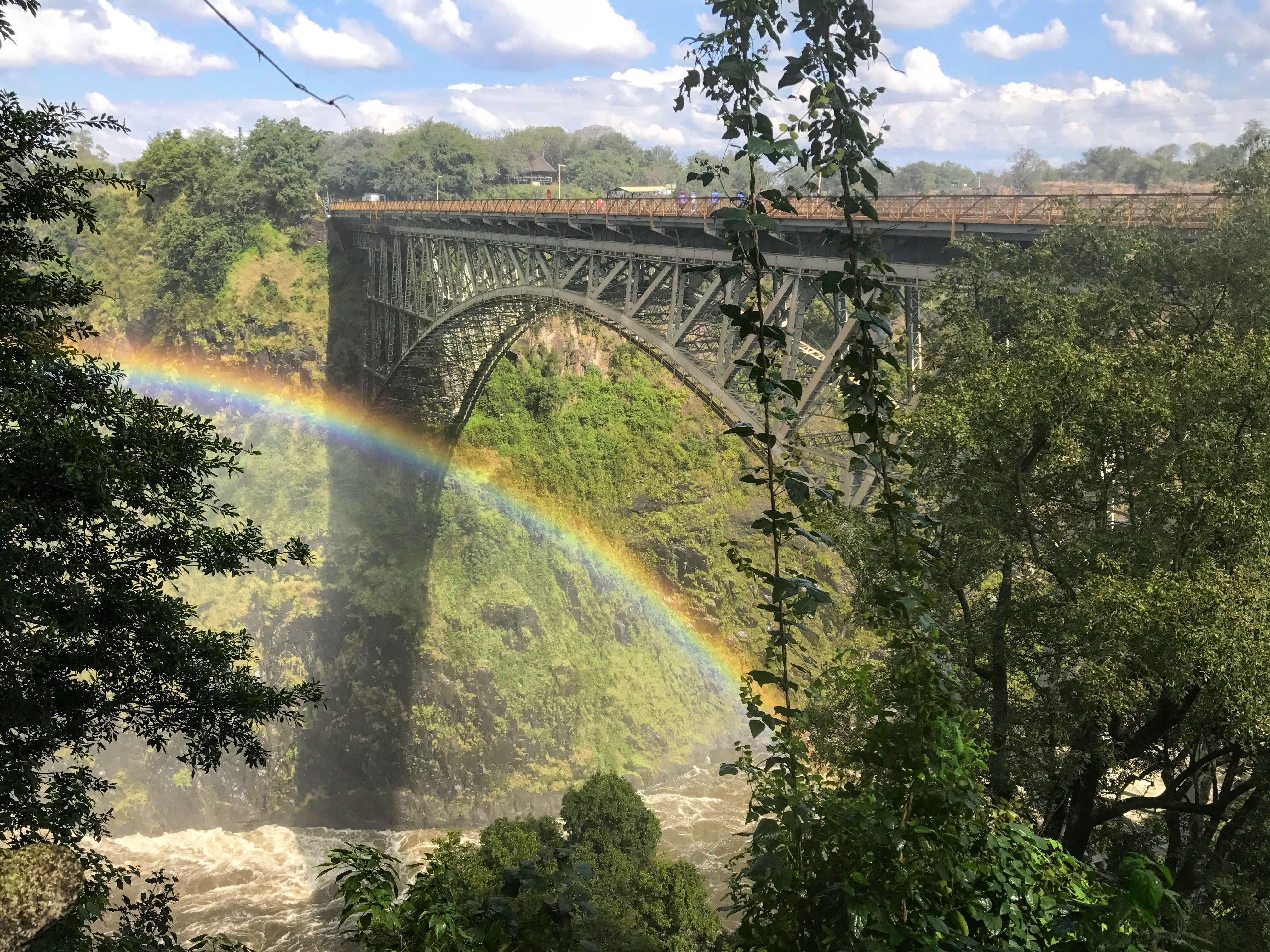
The rainbows here are some of the most beautiful I’ve ever seen, arc after arc forming in the permanent mist above the gorge. On full moon nights, a lunar rainbow appears. Book a Victoria Falls Zimbabwe National Park guided tour for the full historical and ecological context.
2. Swim in the Devil’s Pool (Zambia, Dry Season Only)
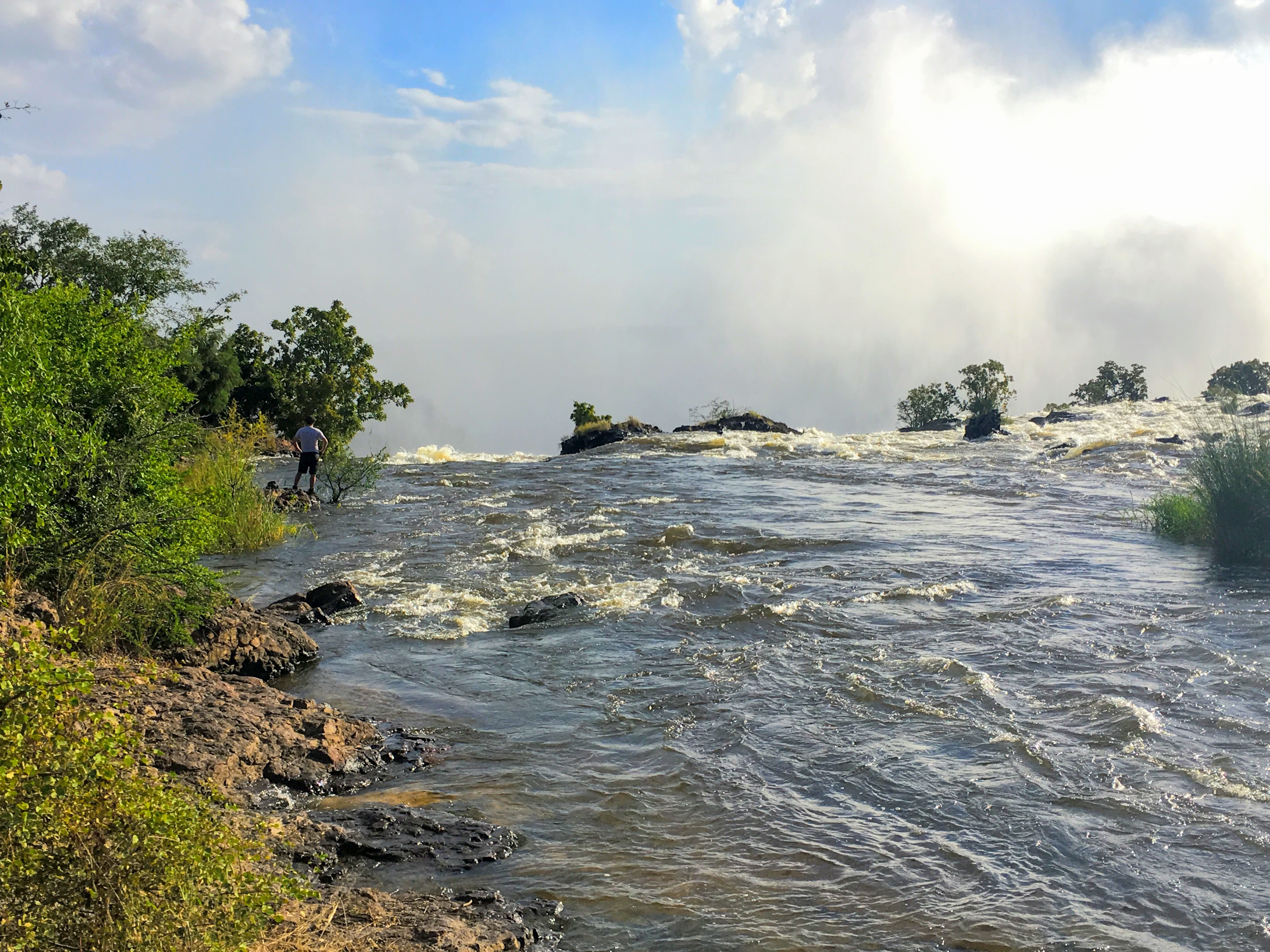
The Devil’s Pool is a natural rock pool right at the edge of the falls, and when water levels are low enough (roughly August to January), you can swim in it. You’re lying in this pool with the full width of Victoria Falls dropping away just centimetres beyond the lip of rock. It’s genuinely terrifying and genuinely extraordinary.
Access is via Livingstone Island on the Zambia side. You must go with an authorised operator, this is not something to attempt independently. Tours run several times a day with a breakfast, lunch, or high-tea package included, prices vary by option but expect somewhere in the region of $110-$200pp. If you can, book the breakfast slot, the sun is high enough by mid-morning to give you the best chance of a rainbow while you’re actually in the pool. Book Devil’s Pool in advance as spaces are extremely limited and it sells out weeks ahead. If Devil’s Pool is full or the water’s too high, ask about Angel’s Armchair, a similar edge-of-the-falls pool nearby that opens when Devil’s Pool doesn’t, a good backup rather than a lesser experience.
3. Bungee Jump off the Victoria Falls Bridge
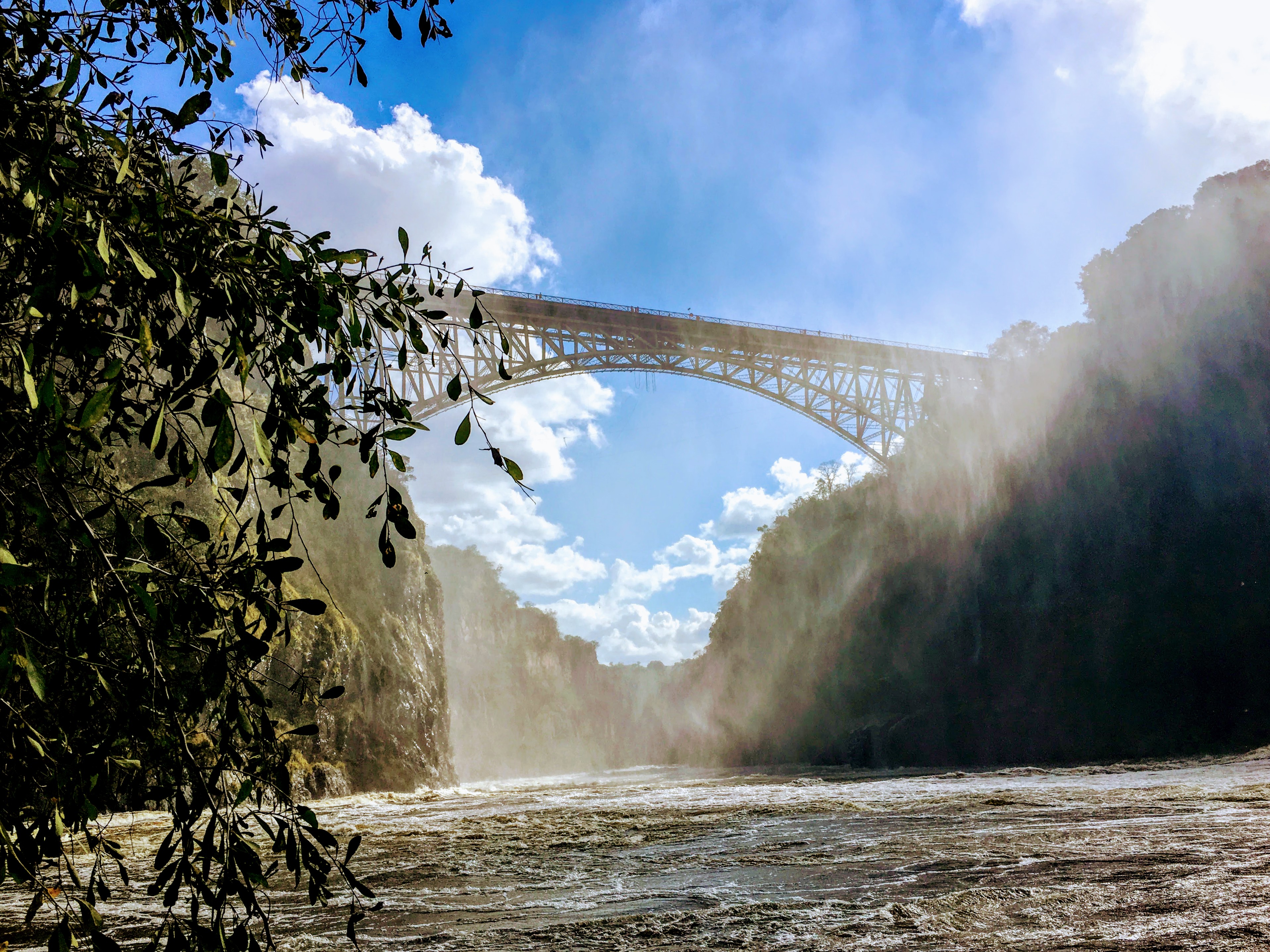
The Victoria Falls Bridge spans the gorge between Zimbabwe and Zambia, 111 metres above the Zambezi River, and you can jump off it. The bungee jump here is one of the most iconic in the world, and it’s been on many a bucket list for good reason. You leap from the middle of the bridge with both countries in view and the gorge and river below. Absolutely wild.
Book the Victoria Falls Bridge bungee jump and tick off one of Africa’s great adventure experiences.
4. Zip Line and Gorge Swing
If bungee jumping sounds a step too far, the zip line and gorge swing offer a slightly less terrifying way to experience the drama of the gorge. The zip line runs across the gorge; the swing sends you pendulum-style into it. Both are operated from the Zambia side near the bridge. Excellent fun and the views are spectacular.
Book the Victoria Falls Bridge zip line in advance to guarantee your slot.
5. White Water Rafting on the Zambezi
Below the falls, the Zambezi churns through a dramatic gorge and produces some of the best white water rafting in the world, consistently rated among the top five rafting destinations on the planet. The rapids (particularly on the Zimbabwe side) are Grade 4 and 5, proper, terrifying, brilliant. Half-day and full-day trips are available from both sides.
This one’s seasonal too: rafting on certain sections is not possible in peak wet season when water levels are too high. Book Zambezi white water rafting here.
6. Take a Sunset Cruise on the Zambezi
For something more relaxed, a sunset cruise on the Zambezi is one of the loveliest ways to spend an evening here. You drift upstream from Victoria Falls town on a flat-bottomed boat with drinks in hand, watching hippos, elephants, crocodiles, and various birds on the banks as the sun goes down over the river. The light at sunset is extraordinary.
Dinner and drinks are typically included. Book a Zambezi sunset cruise here.
7. Fly Over the Falls: The Flight of Angels
Seeing Victoria Falls from a helicopter is genuinely one of the most spectacular things you can do in Africa. The “Flight of Angels” gives you a bird’s-eye view of the full width of the falls, the gorge, and the Zambezi winding away in both directions, scale and perspective that you simply cannot get from the ground. Yes, it’s expensive. Yes, it’s worth it.
Book the Flight of Angels helicopter tour.
8. Soar Over the Falls in a Microlight
If the helicopter feels a bit too enclosed, a microlight flight is the more exposed, more thrilling alternative, open-air, strapped in behind the pilot, nothing between you and the view. Flights depart from the Zambian side and run 15 or 30 minutes, circling the falls and the Zambezi, with a good chance of spotting wildlife in Mosi-oa-Tunya National Park below. Prices start from around $190 for the shorter flight. Book a scenic microlight flight over Victoria Falls.
9. Game Drive in Zambezi National Park
Immediately upstream of the falls on the Zimbabwe side, Zambezi National Park is a proper game reserve with elephant, buffalo, giraffe, zebra, sable antelope, and lion, all within a few kilometres of town. A morning or afternoon game drive here is extremely easy to organise (most hotels can book one for you) and can be combined with a visit to the falls on the same day.
Book a Zambezi National Park game drive for a guided 3-hour small-group drive with hotel pickup included.
For a more ambitious wildlife experience, Chobe National Park in Botswana is just over an hour away and is one of the best game-viewing destinations in Africa, particularly famous for its extraordinary elephant population. Day trips and overnight safaris to Chobe from Victoria Falls are easy to arrange, book a full-day Chobe safari with lunch and a river cruise if you want it sorted for you.
10. Visit the Local Markets
Victoria Falls town has several craft markets worth exploring, Elephant’s Walk is particularly charming, with local artisans selling wood carvings, stone sculptures, woven baskets, and colourful fabrics. You’ll find far more interesting things here than in airport souvenir shops, and the prices are negotiable. Allow a couple of hours and don’t be in a rush.
11. Sunrise Walk to the Falls
Get up early, genuinely early, and walk to the falls as the sun is coming up. The light is extraordinary, the spray catches the early morning colour, and the crowds haven’t arrived yet. On my walk one morning, I rounded a corner two blocks from town and found a herd of elephants feeding on the vegetation along the road. The locals seemed pretty impressed too, apparently this doesn’t happen every day. But it speaks to how close the wildlife is to the town here.
12. The Boma Dinner and Drum Show
For a proper cultural evening, The Boma on the Victoria Falls Safari Lodge estate is a four-course feast (a shared platter, campfire soup, a barbecue buffet with game meats, and dessert) alongside traditional dancing, storytelling, face painting and interactive drumming, you’ll be dressed in a chitenge on arrival and drawn into the show rather than just watching it. It’s touristy, deliberately so, and genuinely good fun for it. Prices run from around $45 to $60 per person, drinks not included. Book The Boma Dinner and Drum Show.
13. Dinner on the Royal Livingstone Express
For something completely different, board the Royal Livingstone Express, a beautifully restored 1920s steam train that departs from Livingstone in the late afternoon for a 5-course dinner as you rattle through the bush in elegant, linen-and-crystal dining cars. The train stops in the middle of the Victoria Falls Bridge as the sun goes down, a genuinely unforgettable photo opportunity, before you continue on to a guided tour of the bridge itself. It’s not cheap (around $399 per person), but it’s exactly the kind of splurge experience worth having once.
Book the Royal Livingstone Express dinner train.
Where to Eat in Victoria Falls
Honestly, just go to The Three Monkeys every night, it’s that good. I was vegan at the time and they did me a great vegan pizza; if you’re not, there’s plenty else on offer, including a trio of wildebeest, zebra and beef that my friend is still talking about. Take a photo with the “I ❤ Vic Falls” sign while you’re there, everyone does.
For something with a view, Lookout Café perches high above Batoka Gorge, one of the best spots in town for a sundowner or a meal while you watch bungee jumpers and zip-liners across the gorge, and the menu leans into local specialities like crocodile kebabs and a Baobab cocktail. Baines Restaurant is another gorge-view option worth knowing about, more of a sit-down meal over the Zambezi if Lookout Café is booked out.
Where to Stay in Victoria Falls
I stayed on the Zimbabwe side in Victoria Falls town and would do so again without hesitation, it’s quiet, charming (in a low-key, slightly faded way), and walkable to the falls and restaurants.
Budget Accommodation
- Joyful Vista Guest Lodge: A recently renovated guesthouse with a private garden and free parking, consistently rated Superb (9.0) on Booking.com, well-located and very good value. If you’re watching the pennies but don’t want to compromise on comfort, stay here. Best for: budget travellers who don’t want to compromise on comfort.
Mid-range
- Ilala Lodge: A lovely mid-range option with a pool and a great location. Relaxed atmosphere, helpful staff, and close enough to hear the falls on a quiet night. Best for: couples and first-timers.
Splurge
- The Victoria Falls Hotel: This is the grande dame of Victoria Falls accommodation, an Edwardian colonial hotel dating from 1904, with a stunning terrace that looks straight towards the spray rising above the falls. It’s genuinely beautiful. If you’re not staying there, at the very minimum stop in for a Mojito on the terrace at sunset. Iconic. Best for: a special occasion, honeymoon, or classic Africa experience.
Search all Victoria Falls hotels
Basing yourself on the Zambia side instead? Livingstone has its own excellent options. For something special, Avani Victoria Falls Resort sits right at the entrance to the Zambian side of the falls, with zebras and giraffes roaming freely across the grounds (rated 8.1 on Booking.com). For something more relaxed and affordable, Maramba River Lodge is a lovely riverside spot with a pool and garden, and a proper taste of nature (you may well hear elephants at night) without the splurge price tag (rated 8.0).
Getting To & Around Victoria Falls
By Air: Victoria Falls has its own international airport (VFA) with direct or one-stop connections from most major hubs. Airlink, Ethiopian Airlines, Kenya Airways, South African Airways, Fastjet, and Safair all serve it, with regional connections from Johannesburg, Nairobi, and Addis Ababa. From the UK, expect one stop. Search for flights on Skyscanner.
From Zambia, fly into Livingstone Airport (LVI), served by Airlink from Johannesburg and Cape Town, plus Proflight Zambia connecting internally from Lusaka. Proflight and Ethiopian Airlines both also fly the short hop directly between Livingstone and Victoria Falls, useful if you’re planning to see both sides but base yourself on one.
By Road from Botswana: Victoria Falls is extremely close to Kasane in Botswana, a transfer between the two takes just over an hour and costs around US$35 per person. If you’re combining a safari in Chobe with the falls (which I’d highly recommend), this is an easy route to plan around.
By Bus or Train: If you’re already travelling overland in the region, Intercape Pathfinder runs buses from Harare to Victoria Falls (around 12 hours) and from Windhoek in Namibia to Livingstone, while Mazhandu connects Lusaka to Livingstone in around 5-6 hours. For something slower and considerably more scenic, Rovos Rail runs a multi-day luxury train from Pretoria in South Africa to Victoria Falls, a proper old-world adventure if you have the time and budget for it.
Getting Around: Victoria Falls town is tiny and almost everything is walkable, the falls, markets, restaurants, and activity operators are all within a few minutes on foot. For Zambezi National Park, the Zambia side, or further afield, use a local taxi or arrange transport through your hotel.
How Long to Spend at Victoria Falls
1–2 days is enough if your only goal is visiting the falls, you can comfortably see both the Zimbabwe and Zambia sides in a day and have time for a sunset cruise in the evening.
3–4 days gives you time to add activities (rafting, bungee, game drive) and explore more leisurely. This is the sweet spot for most visitors.
5–7 days makes sense if you’re combining Victoria Falls with a Chobe/Botswana safari, one of the great southern Africa combinations and very logistically straightforward. I’ve been to Chobe myself, and my honest advice is to give it more than a rushed single day if you can, it’s genuinely one of the best wildlife destinations in Africa and deserves the time. It’s also very remote out there, so I wouldn’t cheap out on where you stay or who you go with, comfort and a solid operator matter more than they would somewhere more accessible.
For the multi-day version, book the 5-Day Triple Country Safari: Zimbabwe, Zambia & Botswana, it covers all three countries with proper lodge accommodation, a sunset cruise, a guided Falls tour, a full day in Chobe, and a helicopter flight and night game drive thrown in, exactly the kind of comfort I’d point you towards for somewhere this remote. If you’d rather rough it, the 3-Day Chobe Camping Safari is a proper bush-camping alternative, basic toilets and showers, but reviewers rave about the game viewing.
Best Time to Visit Victoria Falls
This is the most important decision you’ll make for this trip, and there’s a genuine trade-off.
Wet Season (November–June), for the full force of the falls The Zambezi River is at its highest between February and April, and the falls are at their most spectacular, the sheer volume of water is staggering. At peak wet season, so much spray is generated that you can barely see the falls themselves; you’re just standing in what feels like the heaviest rain of your life, grinning. This is when the Zimbabwe side is the better viewpoint, as the mist makes the Zambia side harder to see from. The downside: the Devil’s Pool is closed (too dangerous), and your camera and phone will struggle.
I visited in the wet season and while my GoPro was mostly useless, the experience of standing on that bridge with water running past my feet and the full force of the falls just metres away was something I’ll never forget.
Dry Season (August–January), for activities and the Devil’s Pool Water levels drop, the falls are less overwhelming but far more photogenic, you can actually see them clearly. The Devil’s Pool on Livingstone Island is open (roughly August to January), which is one of the most extraordinary experiences on the planet. Wildlife viewing in nearby national parks is also at its best. If you want to swim at the edge of the falls, come in the dry season.
Best Compromise: May–June or September–October May–June catches the tail end of the wet season, still impressive water levels, the mist is starting to clear, and some dry-season activities are becoming available. September–October is post-dry season: water levels rising again, good wildlife, and excellent weather.
Practical Info: Safety, Money & Health
Safety: Victoria Falls town and Livingstone are both very safe for tourists, crime against visitors is low and both places are geared towards tourism. You’ll get the usual attention from craft-market touts and curio sellers, especially around the bridge, a firm “no thank you” works fine. Keep an eye out for wildlife on the roads too, elephants and baboons wander freely around town, and baboons in particular can be cheeky around food, don’t leave anything out or in an open bag.
Money: The US dollar is the practical currency here on both sides of the border. Zimbabwe’s local currency (the ZiG) exists, but hotels, restaurants, and tour operators overwhelmingly quote and accept USD, so bring clean, small-denomination notes as change can be hard to come by. Don’t rely on ATMs for USD cash, bring what you need with you. Card payments are widely accepted at hotels and larger operators, but cash is still king for tips, markets, and smaller vendors.
Health: Victoria Falls is a malaria zone, so speak to your GP about anti-malarials before you travel (I use Malarone). Cover up in the evenings and pack a strong DEET repellent. You may also encounter tsetse flies, especially in the bush and during the rainy season, they’re drawn to dark colours like navy and black, so stick to lighter clothing where you can. Stick to bottled water throughout your trip.
Victoria Falls FAQ
Which side of Victoria Falls is better, Zimbabwe or Zambia?
For the overall falls experience, the Zimbabwe side is generally considered better, you get a broader, more comprehensive view of the falls from the walkway. But the Zambia side has Livingstone Island and the Devil’s Pool (dry season), which is extraordinary. Visit both if you can, the crossing takes about 30 minutes.
When is the best time to visit Victoria Falls?
It depends what you want. For the full volume and force of the falls, visit February to April (wet season). For the Devil’s Pool, activities, and better visibility, visit August to January (dry season). May–June and September–October are popular compromise months.
Do I need a visa for Zimbabwe and Zambia?
Most nationalities need visas for both countries. The KAZA UNIVISA (around US$50) covers both Zimbabwe and Zambia and is the most convenient option. It’s available on arrival at Victoria Falls Airport and at the border, or you can apply online in advance at evisa.gov.zw. Always check current requirements for your specific passport before travel.
Is Victoria Falls worth visiting in the wet season?
Absolutely, in fact, the wet season (February–May) shows the falls at their most powerful and awe-inspiring. Yes, you’ll get soaked. Yes, your photos might not turn out. But the experience of standing in that spray with the full force of the Zambezi pouring over the edge is something I can’t recommend highly enough. Just pack waterproof gear and a dry bag.
What else is near Victoria Falls?
Chobe National Park in Botswana is just over an hour away and is one of the greatest wildlife destinations in Africa, particularly famous for having the largest elephant population on the continent. Day trips and multi-day safaris to Chobe can be arranged easily from Victoria Falls. It’s the perfect add-on if you have a few extra days.
More on this trip: The Wildest Wilderness: Self-Drive Safari in Botswana | Planning for Self-Drive Safari in Chobe & Moremi
Travel insurance is non-negotiable here, with bungee jumps, rafting, and safaris on the itinerary, you want proper cover. World Nomads covers adventure activities and has excellent medical evacuation coverage, which matters in southern Africa.
Enjoyed this article? Support my work by buying me a latte. Otherwise, do me a great favor of leaving a comment and following me on Instagram (@travelwithpau). Feel free to say ‘Hello!’ I don’t bite. And make sure you save the article for later on Pinterest!

This post contains affiliate links. If you book through them, I earn a small commission at no extra cost to you, it helps keep this blog running. I only recommend things I’d genuinely use myself.