Last Updated on October 2, 2026
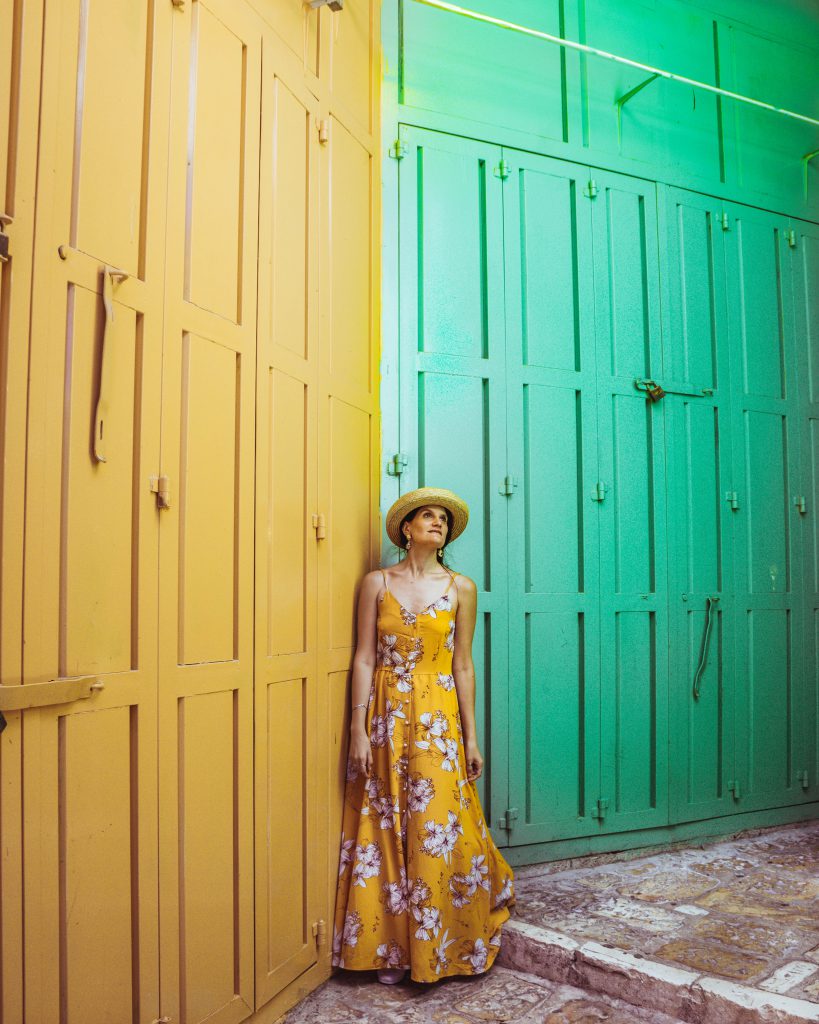
I was raised Catholic but I’d describe myself as agnostic now, and yet Jerusalem absolutely blew me away. There’s something about standing in a place where three of the world’s major religions converge, where every stone seems to carry thousands of years of story, that makes even the most secular traveller feel the weight of it. If you’re wondering what to do in Jerusalem, the honest answer is: everything. But here’s where I’d start.
JERUSALEM ESSENTIALS
✈️ Getting There / Jerusalem is served by Ben Gurion Airport in Tel Aviv, about an hour away. Book a private airport transfer with WelcomePickups: fixed price, no negotiation, your driver is waiting when you land. A lifesaver after a long flight. Search flights on Skyscanner.
🎟️ Tours / Jerusalem is one of those cities where a guided tour is genuinely worth it, the history is so layered that you’ll get far more from the sites with a knowledgeable local beside you. The best to pre-book:
Guided Walking Tour of the Old City
Yad Vashem Holocaust History Museum Audio Guide Tour
City of David & Underground Jerusalem Tour
🏨 Stay / The Old City and its immediate surroundings give you the best access to all the major sites:
Budget: Tzefania Apartments Hotel
Mid-range: The Jerusalem Hotel
Splurge: Mamilla Hotel
📱 Connect / Stay connected from the moment you land with an eSIM. I use Holafly, use code TRAVELWITHPAU for 5% off.
🛡️ Get Insured / Jerusalem is safe for tourists but travel insurance is always worth having, particularly if you’re adding a Masada hike or Dead Sea trip to your itinerary. World Nomads covers medical, cancellations, lost luggage, and a huge range of activities.
Table of Contents
Things to Do in Jerusalem
1. Explore the Old City
Let’s be honest, the Old City is really why you came to Jerusalem in the first place. This is the main attraction within Jerusalem and the one that deserves most of your time. It’s divided into four quarters, the Jewish Quarter, the Christian Quarter, the Muslim Quarter, and the Armenian Quarter, each with its own atmosphere, architecture, and sacred sites. There are probably hundreds of things to see here, but a few essentials follow below.
The easiest way to get under the skin of the Old City is with a guided walking tour, the history is dense and a good guide makes it come alive. Book the Old City walking tour for a few of the best hours you’ll spend here.
Wander without a plan too. The alleyways between the quarters are full of unexpected details, Byzantine mosaics, Crusader arches, Ottoman doorways, and getting slightly lost is part of the experience. Keep an eye out for the Cardo, the old Roman and Byzantine colonnaded street running through the Jewish Quarter, now lined with boutique shops but still unmistakably ancient. And get to know the Old City’s gates as you go, Jaffa Gate is the main western entrance, Damascus Gate the grand northern one into the Muslim Quarter, and Zion Gate, Dung Gate, and Lions’ Gate each lead somewhere different, useful landmarks for navigating without constantly checking a map.
2. Walk the Jerusalem Ramparts
For a completely different view of the Old City, walk along the top of its walls on the Ramparts Walk. Built by Suleiman the Magnificent in the 1530s, the walls can be walked in two separate stretches, a northern route from Jaffa Gate to Lions’ Gate (about 90 minutes, looking down over the Christian and Muslim Quarters), and a shorter southern route from Jaffa Gate towards Dung Gate (about 45 minutes, over the Armenian and Jewish Quarters). Tickets are cheap and buyable at the Jaffa Gate ticket office, and it’s a genuinely different, quieter way to see the Old City from above.
3. Visit the Western Wall
The Western Wall (or Wailing Wall) surrounds the Temple Mount, one of the holiest places in Jerusalem. As Jewish people are not permitted onto the Temple Mount itself, this has become the primary place of prayer and pilgrimage. It’s one of the most moving sights I’ve ever experienced, the intensity of devotion, people rocking in prayer, slipping handwritten notes into the cracks in the ancient stone. If you’re visiting on a Saturday, you’ll likely see a Bar or Bat Mitzvah celebration happening at the wall, families singing and dancing, it’s a lovely thing to witness respectfully from a distance.
The wall is open to all visitors. There’s a men’s section and a women’s section. Dress modestly, shoulders and knees covered, and be respectful of the prayers happening around you.
Don’t miss the Western Wall Tunnels, an underground passageway that runs along the full length of the wall. It requires advance booking and is best with a guide: book it in advance here. Right next door, the Davidson Center (Jerusalem Archaeological Park) is worth adding on too, it’s built around Robinson’s Arch, the remains of a monumental staircase and arch that once led up to the Temple Mount, alongside excavated Herodian streets and fallen Temple stones from 70 CE.
4. Climb the Temple Mount and See the Dome of the Rock
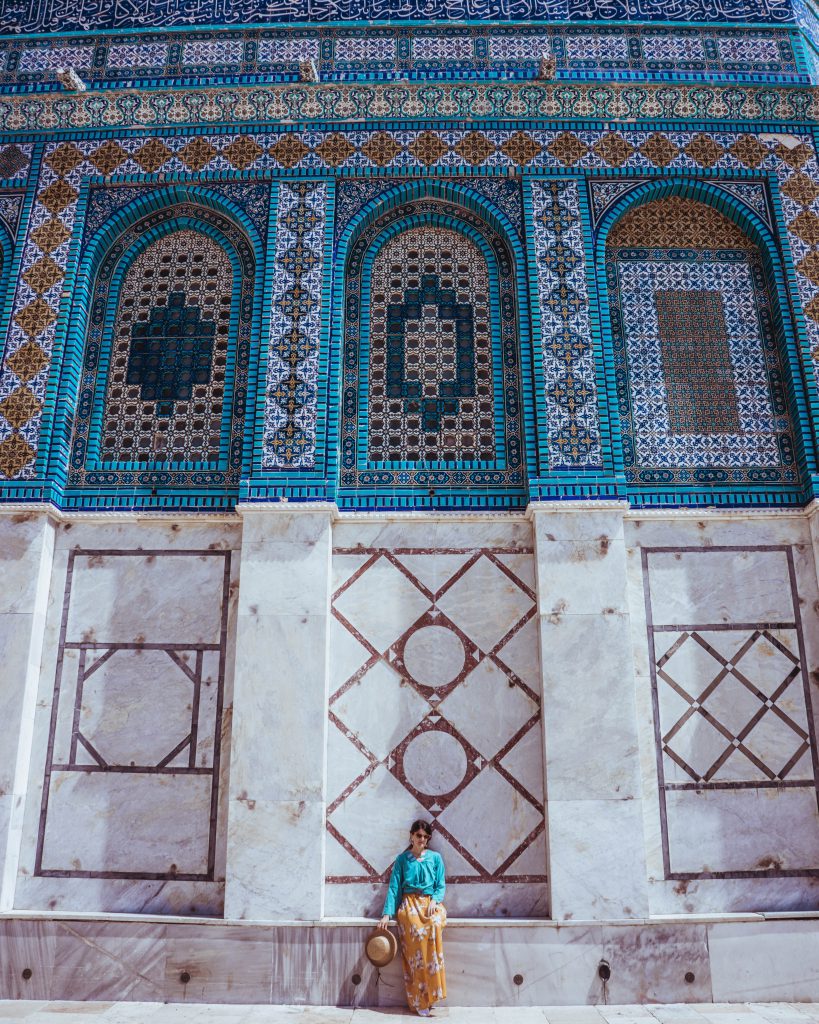
The Temple Mount is one of the most contested pieces of land on the planet, sacred to Jews, Christians, and Muslims alike, and visiting it is an experience unlike anything else. For Muslims it’s the third holiest site in Islam, believed to be where the Prophet Muhammad began his miraculous Night Journey. The stunning Dome of the Rock, built in the seventh century, dominates the skyline of Jerusalem from almost every vantage point.
Non-Muslim visitors can access the Temple Mount plaza but cannot enter the Dome of the Rock or Al-Aqsa Mosque. Opening hours are limited (typically morning only, Sunday to Thursday) and it’s closed on Fridays and Saturdays. Modest dress is essential, and unless you are Muslim, do not attempt to enter any of the structures on it.
5. The Church of the Holy Sepulchre
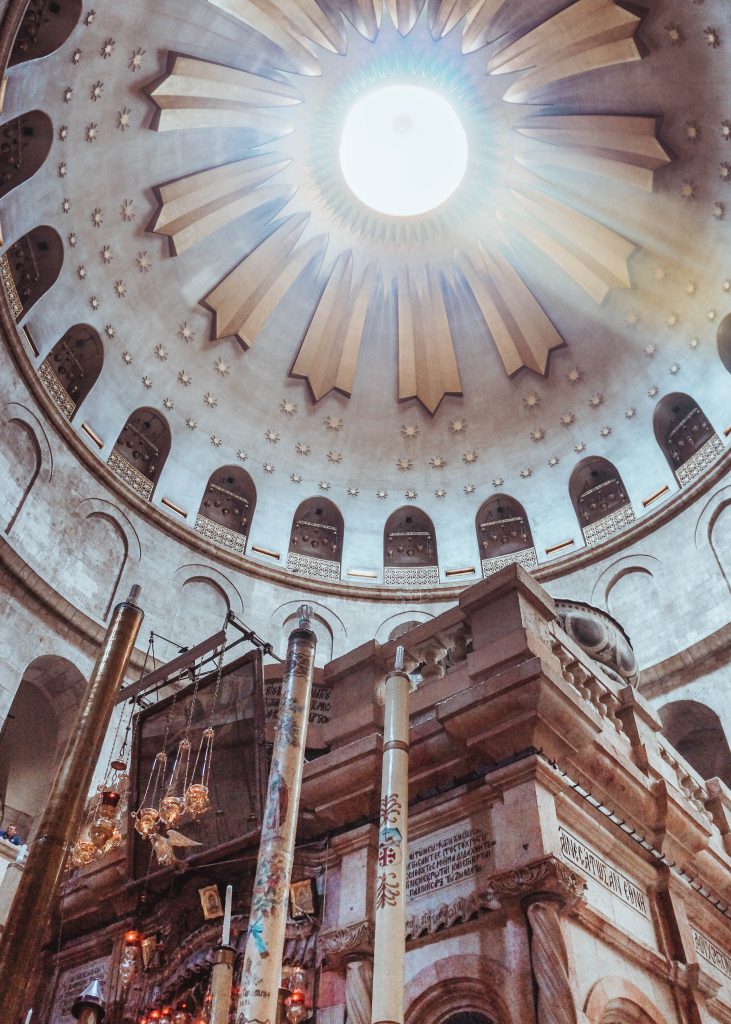
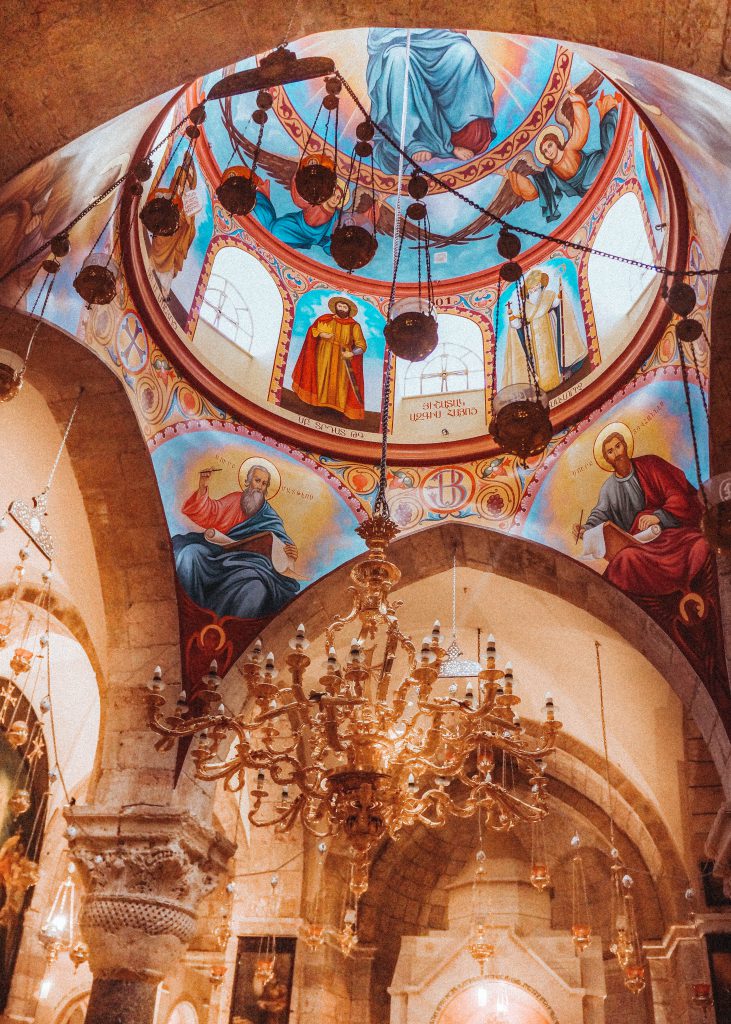
For Christians, this is the most sacred place in the world. Built over what tradition holds to be the site of Jesus’s crucifixion, burial, and resurrection, the Church of the Holy Sepulchre contains Golgotha (the Hill of Calvary) and the tomb from which Jesus rose. It’s simultaneously awe-inspiring and chaotic, multiple Christian denominations share custodianship of different sections of the church, and the atmosphere can range from reverent to frenetic depending on the day.
Entry is free. Go early in the morning if you want some quiet, by mid-morning it can be extremely busy. The energy in here is wild, even as an agnostic, I found it genuinely affecting, and if you were raised Christian it feels like standing in the place where everything started.
6. Walk the Via Dolorosa
The Via Dolorosa, the “Way of Suffering,” is the route Jesus is believed to have walked carrying the cross to his crucifixion. It winds for about 600 metres through the Muslim Quarter of the Old City, marked by fourteen Stations of the Cross, and ends at the Church of the Holy Sepulchre.
Friday afternoons see a Catholic procession along the route, which is a remarkable thing to witness.
7. Church of St Anne and the Pool of Bethesda
Near Lions’ Gate, just off the start of the Via Dolorosa, the Church of St Anne marks the traditional birthplace of the Virgin Mary and is one of the best-preserved Crusader churches in the Old City, famous for its remarkable acoustics if anyone’s singing when you visit. Right next to it are the excavated remains of the Pool of Bethesda, the site where the Gospel of John describes Jesus healing a paralysed man. It’s quieter than most of the big-name sites nearby and easy to miss if you’re not looking for it.
8. Explore the Arab Souk
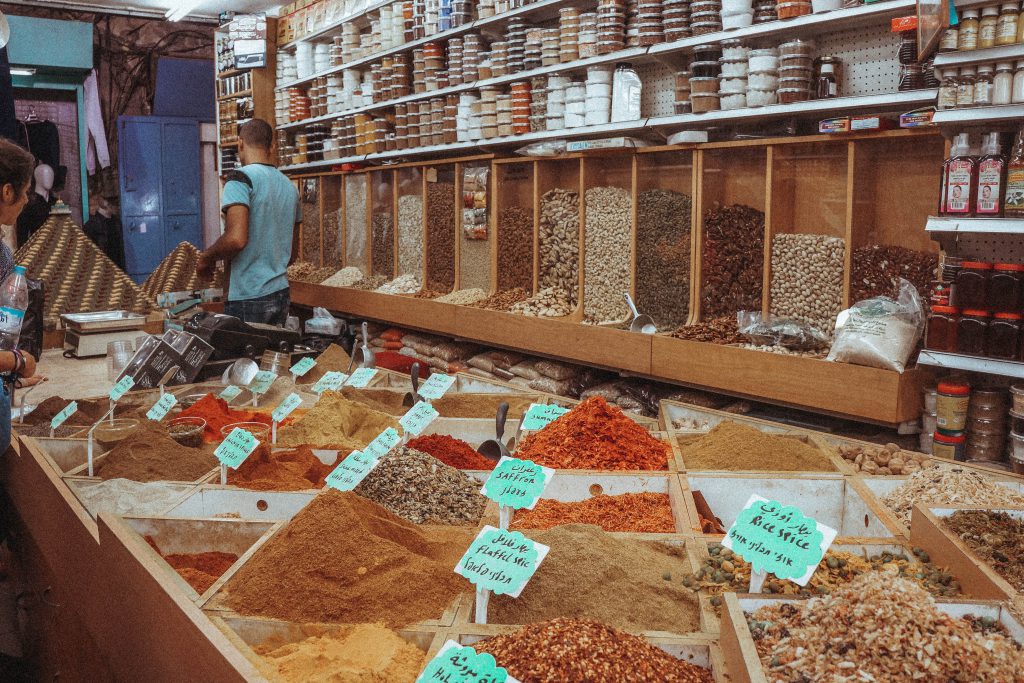
Running through the Muslim and Christian Quarters, the Arab Souk is a labyrinthine maze of stalls selling everything from handmade ceramics and embroidered textiles to spices, hookahs, and silver jewellery. It’s busy, atmospheric, and genuinely wonderful for browsing, even if you’re not buying.
Don’t be in a rush. Stop for a coffee, taste the kanafeh (a cheese and syrup pastry you’ll dream about for weeks), and let yourself get happily lost in the alleyways.
9. Visit the Tower of David
The Tower of David, also known as the Jerusalem Citadel, is a medieval fortress built on ancient foundations near the Jaffa Gate, containing important archaeological findings from multiple periods, some over 2,000 years old. Inside, an excellent museum walks you through more than two millennia of Jerusalem’s history, and the views from the ramparts over the Old City are superb.
At night, check whether the Night Spectacular sound and light show is running, it’s projected across the ancient walls of the Citadel and is genuinely spectacular. Book tickets in advance here.
10. Wander Mahane Yehuda Market
Known locally as “the shuk,” Mahane Yehuda Market is West Jerusalem’s great open-air food market, over 250 vendors selling fresh fruits and vegetables, baked goods, fish, meat and cheeses, nuts, seeds, and spices, wines and liquors, and housewares and textiles. Alongside the classics like falafel, shawarma, kibbeh, kebab, shashlik, kanafeh, baklava, halva, and zalabiya, you’ll also find trendier newer stands doing sushi, wok dishes, burgers, and craft beer.
During the day it’s a working market. By evening, especially Thursday nights before Shabbat, it transforms into a buzzing bar and restaurant scene, the same stalls that were selling hummus at noon are now pouring craft beer and cocktails. I had so much fun here, the pre-Shabbat rush on Thursday afternoons is one of Jerusalem’s great pieces of theatre. If you’d rather have a guide talk you through what you’re eating, book a private culinary tour of the market.
11. Explore Yad Vashem Holocaust Memorial
Yad Vashem is Israel’s official memorial to the six million Jewish victims of the Holocaust, dedicated to preserving the memory of the dead, honouring those who fought against or aided victims of Nazi oppression, and researching the Holocaust with the aim of avoiding such events in future. It’s situated on the Mount of Remembrance in west Jerusalem and is one of the most important, and most sobering, places I’ve ever visited. The main Holocaust History Museum takes around two to three hours to walk through properly.
Give yourself more time than you think you need to understand the context properly. Entry to the main site is free, though if you’d rather have context as you go, this audio guide tour of the Holocaust History Museum is worth booking.
12. Walk Up the Mount of Olives
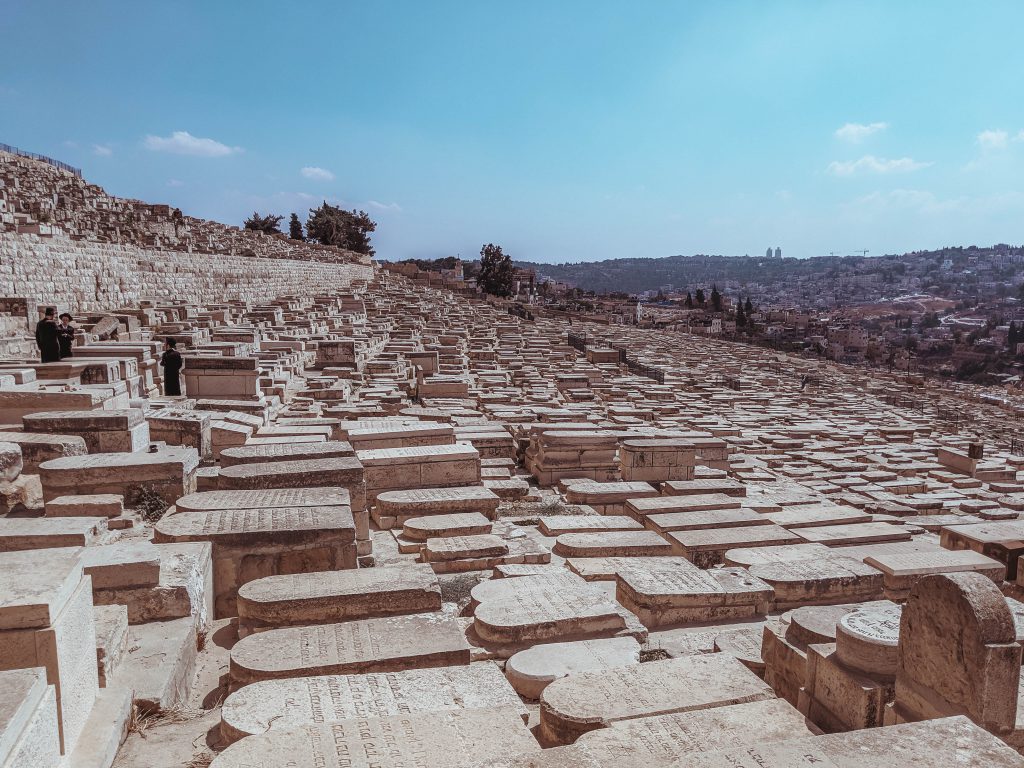
The Mount of Olives rises immediately to the east of the Old City and offers some of the most spectacular panoramic views of Jerusalem, particularly the golden Dome of the Rock gleaming against the skyline. It’s been a Jewish burial ground for over three thousand years (around 150,000 graves) and several key events in the life of Jesus took place here, it’s also described as the place from which he ascended to heaven.
Known landmarks within the mount are Gethsemane, home to the Basilica of All Nations (also called the Church of the Agony, with its distinctive alabaster windows), and the Church of Mary Magdalene with its golden onion domes. You can easily get there on foot from the Old City, and the descent back down through the Kidron Valley is one of the best walks in Jerusalem.
13. Ascend Mount Zion and Visit the Cenacle
Mount Zion is the highest point in ancient Jerusalem, the broad hill south of the Old City’s Armenian Quarter. Several important Christian events are believed to have occurred here, among them the Last Supper of Jesus and his disciples, and the coming of the Holy Spirit on the disciples, both thought to have taken place at the site of the Cenacle. King David’s Tomb is also on Mount Zion and is an important place of worship for Jews.
A lot happened here, so it’s worth reading up beforehand, or asking your Old City walking tour guide to swing by, to get the most out of it.
14. Church of St. Peter in Gallicantu
Also on Mount Zion, the Church of St. Peter in Gallicantu (“in Gallicantu” meaning “at the cock’s crow”) marks the traditional site where Peter denied knowing Jesus three times before the cock crowed, and where Jesus is believed to have been imprisoned overnight before his trial. Look out for the ancient stone prison pit beneath the church and a striking bronze relief of a crowing cock at the entrance. It’s easy to combine with the Cenacle since they’re a short walk apart.
15. Discover the City of David
Just outside the Old City walls, the City of David is the archaeological site of the original ancient Jerusalem, the city King David conquered and made his capital around 1000 BCE. It’s genuinely fascinating and far less visited than the sites inside the walls.
The highlight is Hezekiah’s Tunnel, a 2,700-year-old water channel carved through solid rock that you can wade through (bring shoes you don’t mind getting wet and a torch). It’s about 500 metres long and emerges at the Pool of Siloam. Book a City of David tour to get the most out of it.
16. Visit the Israel Museum and the Dead Sea Scrolls
The Israel Museum is the largest cultural institution in Israel and one of the leading art and archaeology museums in the Middle East. The unmissable exhibit is the Shrine of the Book, a stunning white dome housing the Dead Sea Scrolls, the oldest surviving manuscripts of the Hebrew Bible, discovered in caves near Qumran in the late 1940s.
The museum also has an extraordinary outdoor scale model of Jerusalem in the Second Temple period, incredibly useful context for everything else you’ve seen. Allow at least three to four hours. If you want more and have the time, the nearby Bible Lands Museum covers artifacts from across the ancient Near East going back to 1550 BCE, and the Museum of Islamic Art (founded by Vera Salomons) is a lovely, far less crowded stop for Islamic art, ceramics, and jewellery.
17. Stroll Ben Yehuda Street
Ben Yehuda Street and the surrounding Nahalat Shiva neighbourhood are the heart of modern West Jerusalem, a pedestrianised strip of cafés, restaurants, street performers, souvenir shops, and people-watching. It’s a nice contrast to the intensity of the Old City and a good place for an evening wander, a coffee, or a cold Goldstar beer. The streets around here come alive on Thursday and Friday evenings, grab dinner before Shabbat begins.
18. Explore the German Colony
For a completely different side of Jerusalem, head to the German Colony, a leafy, café-lined neighbourhood built by German Templers in the 19th century, centred on Emek Refa’im Street. It’s one of the most relaxed parts of the city, good for a slow brunch or an evening out away from the Old City crowds. On Fridays, look out for the farmers’ and artisan market here, and if you’re around on a Friday more generally, the Bezalel Arts Fair near the Old City walls is worth a browse too, local jewellery, ceramics, and crafts from independent makers.
19. Join a Shabbat Dinner Experience
If your visit lines up with a Friday night, one of the most memorable things you can do in Jerusalem is join a Shabbat dinner in a local home. You’re welcomed in as a guest for the evening, walked through the candle-lighting and blessings, and served a proper spread of Mediterranean-inspired kosher home cooking, it’s a genuinely warm, personal way to understand what Shabbat actually means here rather than just seeing its effects (closed shops, quiet streets) from the outside. Book a spiritual Shabbat dinner experience.
Day Trips from Jerusalem
Masada and the Dead Sea
No visit to Jerusalem is complete without at least one day trip, and the combination of Masada and the Dead Sea makes for one of the best days out in the entire Middle East.
Masada is a clifftop fortress where nearly a thousand Jewish rebels made their last stand against the Romans in 73 CE, one of the most dramatic archaeological sites in Israel. Take the cable car up for sunrise (book in advance and arrive early) or hike the Snake Path if you’re feeling ambitious. The views across the Judean Desert and Dead Sea are extraordinary.
From Masada it’s a short drive to the Dead Sea, the lowest point on Earth at 430 metres below sea level. The water is so saturated with salt that you simply float, one of those genuinely surreal experiences that lives up to the hype. Bring an old bikini or costume (the salt ruins anything lycra), cover any cuts or shaving nicks before you get in, and don’t stay in longer than about 20 minutes.
The easiest way to do both in one day is with a guided trip: book the Masada & Dead Sea day trip.
Best of the West Bank
Want to benefit from Jerusalem’s proximity to Palestine to see it? If so, don’t miss out on this tour with Abraham Tours, which takes you to Jericho, Ramallah, and Bethlehem among other stops and provides another side to the story of the Israeli-Palestinian conflict. I wrote a full review of this exact tour here if you want to know more about it before booking.
Nazareth, Tiberias & the Sea of Galilee
If you want to head north and follow more of the story beyond Jerusalem, this is the day trip to book. It’s a long one, Nazareth and the Sea of Galilee are around two hours away each way, but it covers the region where Jesus grew up and spent much of his ministry: the Basilica of the Annunciation in Nazareth, Capernaum, and the Sea of Galilee itself, often with an optional boat ride included. Book the Nazareth, Tiberias & Sea of Galilee tour.
Caesarea, Acre & Rosh Hanikra
Another good option if you want to see more of Israel’s coast, this full-day trip heads north to the Mediterranean, taking in the Roman ruins and amphitheatre at Caesarea, the Baha’i Gardens in Haifa, the Crusader-era old city of Acre, and the sea grottoes at Rosh Hanikra right on the Lebanese border. Hotel pickup is included. Book the Caesarea, Acre & Rosh Hanikra day trip.
Where to Stay in Jerusalem
I stayed in two completely different accommodations in Jerusalem, and I’ve added a third pick below for anyone chasing more polish and style.
Splurge: Mamilla Hotel
I haven’t stayed here myself, but the Mamilla Hotel is Jerusalem’s best-known design hotel, steps from Jaffa Gate on the Alrov Mamilla Avenue, a short walk from the Old City, the Tower of David, and the Western Wall. Expect a sleek, design-forward interior, a rooftop terrace with panoramic Old City views, a spa, and an indoor pool, the kind of place to book if you want a genuinely luxurious base for exploring.
Book Mamilla Hotel, best for: couples and design-lovers
Mid-Range: The Jerusalem Hotel
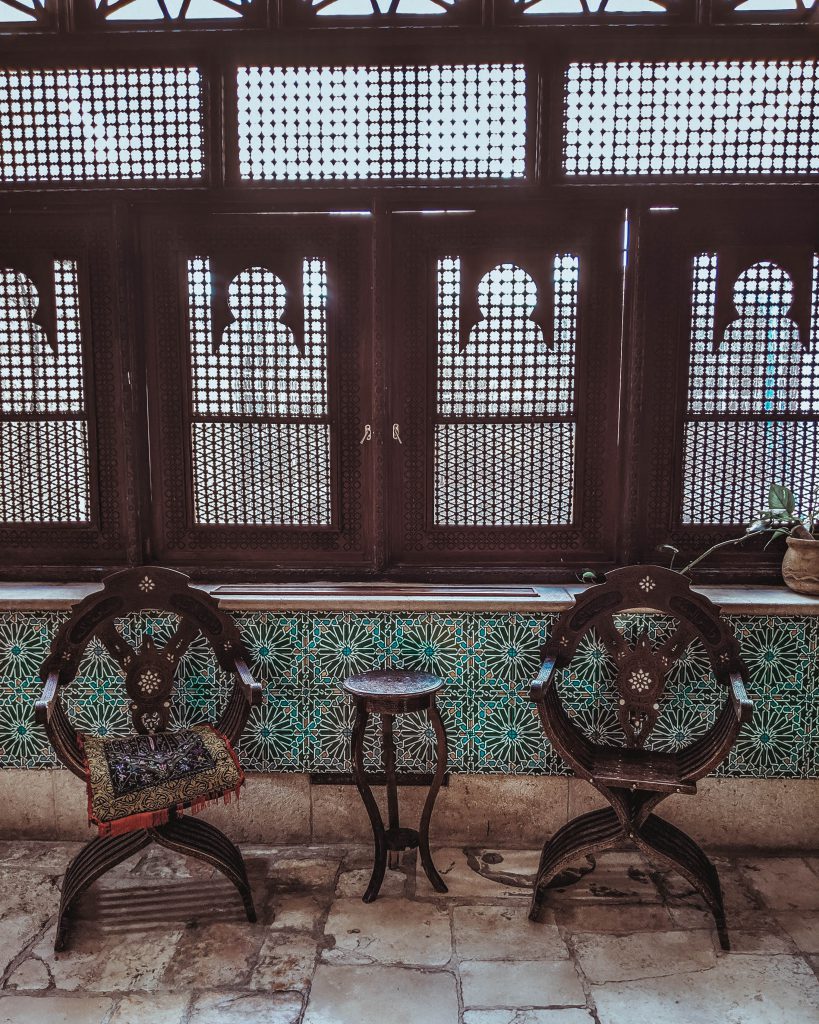
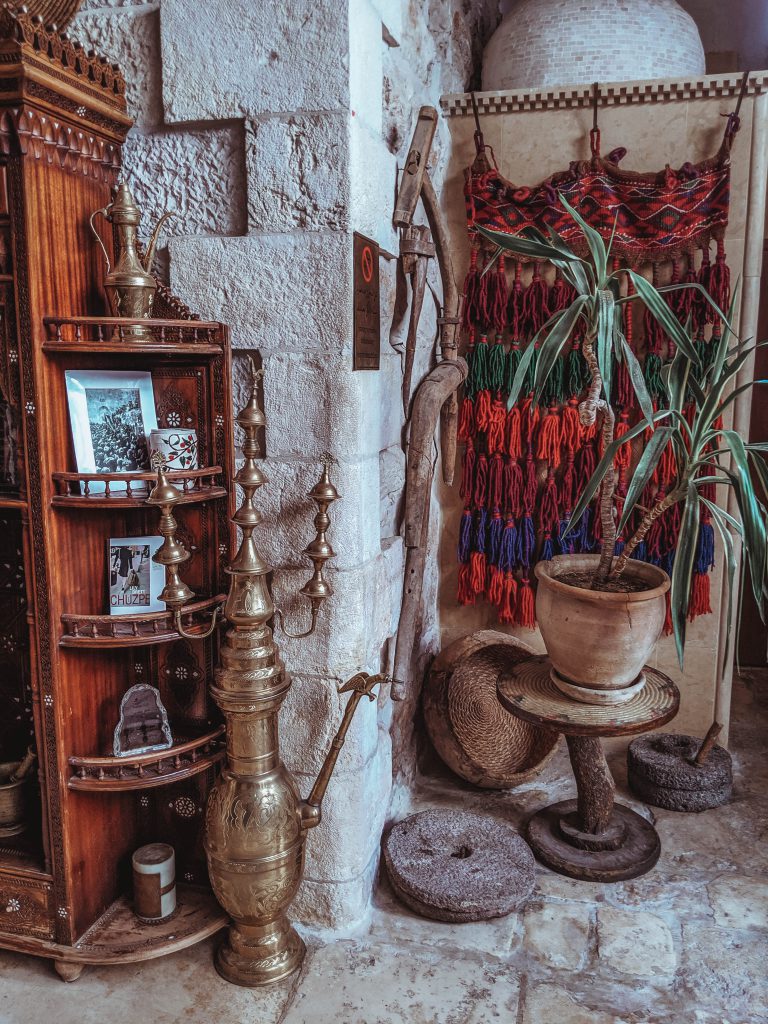
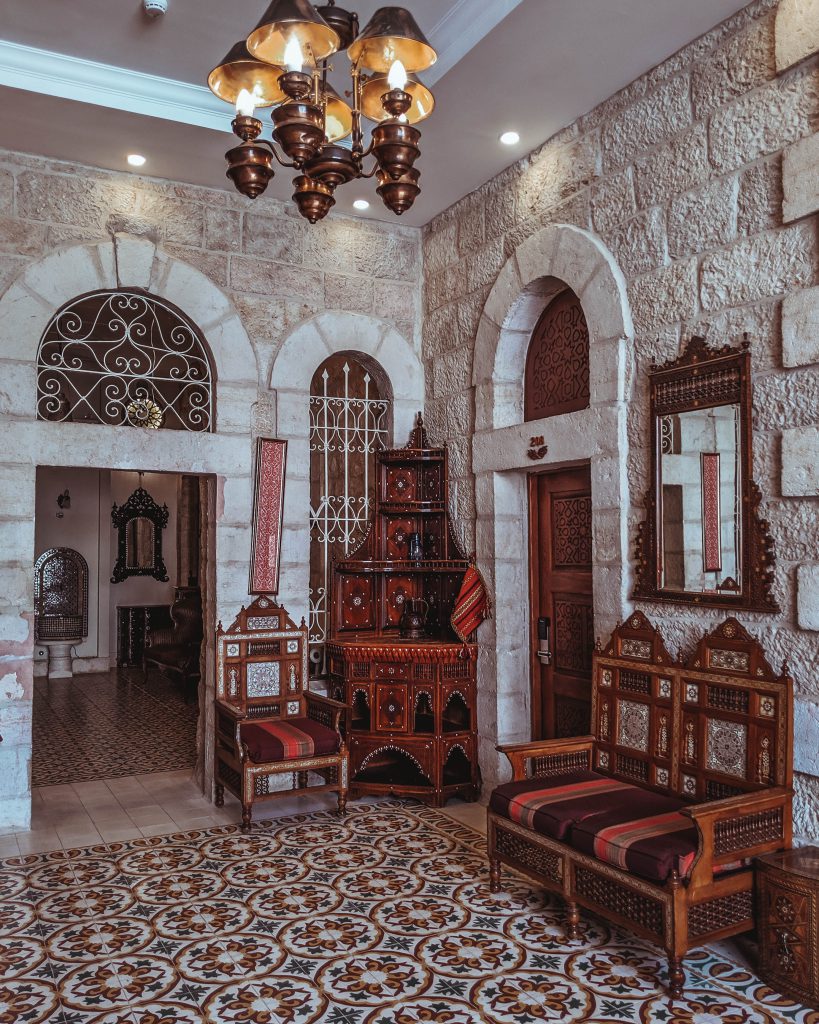
The Jerusalem Hotel, where I stayed, was one-of-a-kind. This family-run hotel was a Byzantine church, a police station, and a school before becoming a hotel. Today it’s decorated in an Islamic and Andalusian style, with every piece of furniture hand-carved and truly unique. The rooms are spacious and equipped with AC, TV, and a kettle with tea and coffee, and mine had a balcony overlooking the Old City. Breakfast on its beautiful front terrace is included, and the same area works as a restaurant at night. The location is also perfect, right outside Damascus Gate, so it’s ideal for visiting the Old City.
Book The Jerusalem Hotel, best for: character, location, and Old City access
Budget: Tzefania Apartments Hotel
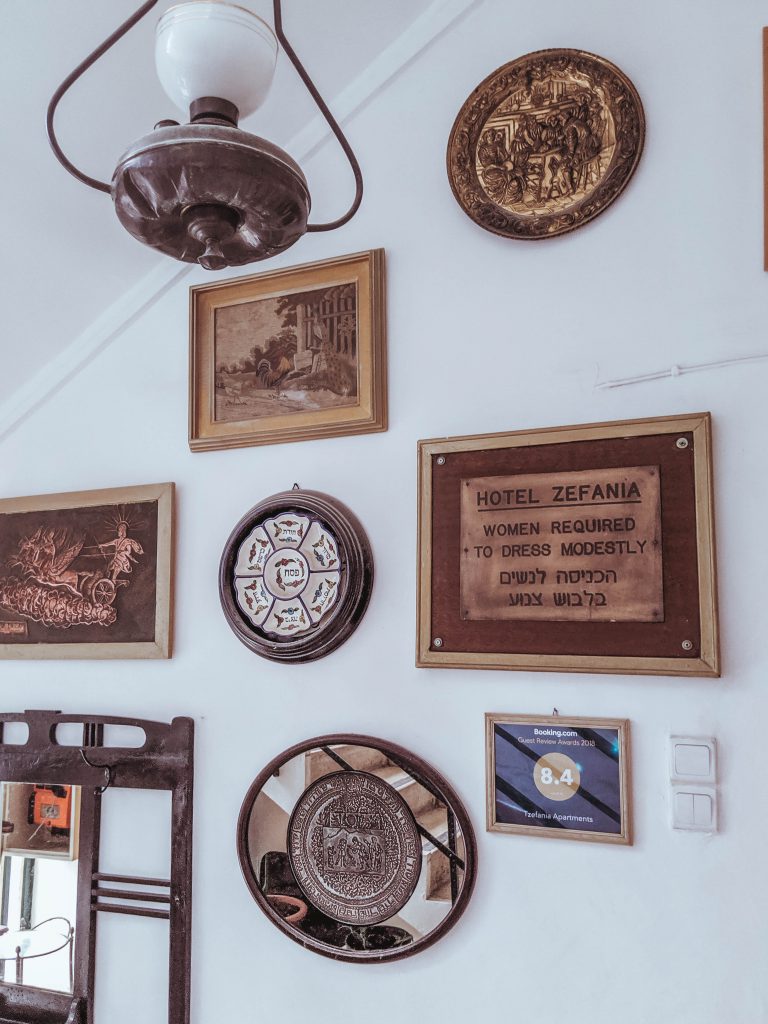
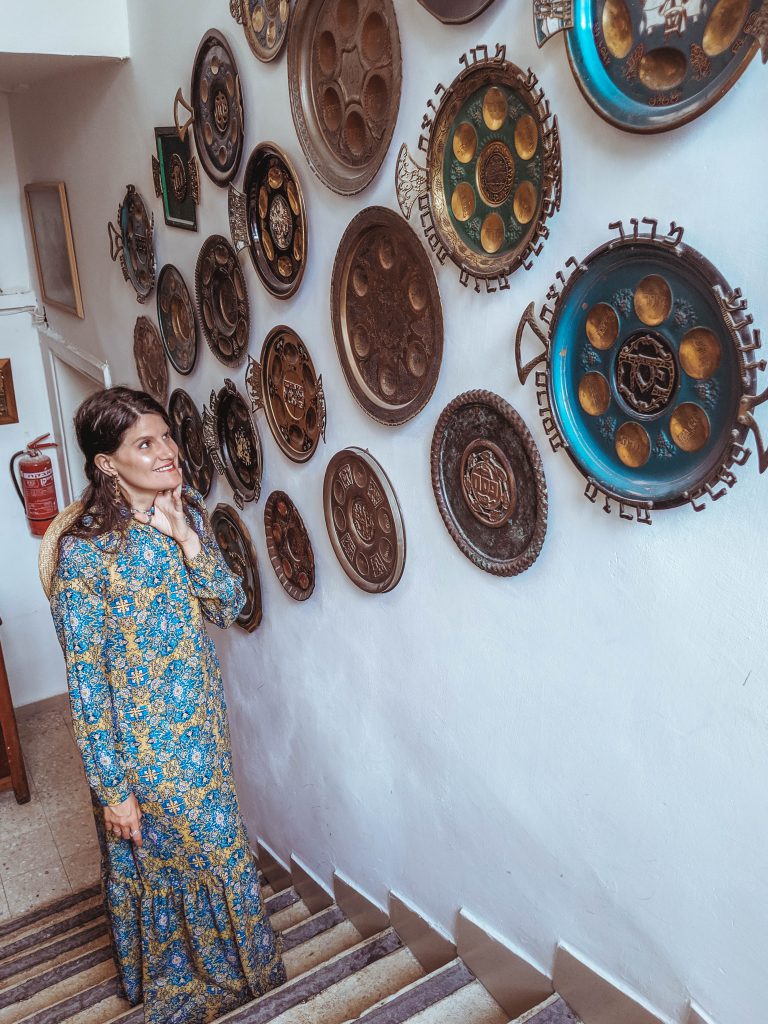
Tzefania ApartHotel is a long-standing establishment of Jerusalem, founded as early as 1947 and run by three consecutive family generations. The rooms are a mix of new and old, with a modern layout mixed with antique decorative items, kettles, tea and coffee, and a microwave. The common areas look like a museum, with pieces of antique Jewish art and memorabilia displayed throughout. One of the best things about it is that it’s located in the Geula neighbourhood, an ultra-orthodox part of Jerusalem, which makes staying there quite an experience, just dress modestly, or you might disrespect the local residents. It’s affordable and great value for money. It’s not super close to the Old City but still within walking distance.
Book Tzefania Apartments Hotel, best for: budget travellers who want character over convenience
Where to Eat in Jerusalem
Jerusalem’s food scene runs through its markets and streets more than through any single restaurant strip, and that’s exactly what makes it fun to eat your way through.
Mahane Yehuda Market is the obvious starting point, come hungry and graze your way through the stalls: falafel, shawarma, kibbeh, kebab, shashlik, kanafeh, baklava, halva, and zalabiya are all here, alongside newer stands doing sushi, burgers, and craft beer. Go on a Thursday evening before Shabbat if you want the market at its liveliest, with the same stalls that sold hummus at noon pouring cocktails by 9pm. If you’d rather have it all explained as you go, book a private culinary tour of the market.
In the Old City souk, don’t rush past the kanafeh stalls, a cheese and syrup pastry that’s worth planning a coffee stop around. And around Ben Yehuda Street and Nahalat Shiva, you’ll find a proper evening food and bar scene, a good option if you want a sit-down dinner and people-watching rather than market grazing, especially on Thursday and Friday nights before Shabbat begins.
How Long to Spend in Jerusalem
3 days is the minimum I’d recommend to cover the Old City properly, Yad Vashem, the Israel Museum, and Mahane Yehuda Market, without feeling rushed.
4–5 days gives you time for a day trip to Masada and the Dead Sea (essential) and potentially the West Bank (Bethlehem and Jericho).
7 days is ideal if you want to explore beyond Jerusalem, add Tel Aviv (a completely different vibe, brilliant beach and food scene), Eilat, or the Galilee region.
Jerusalem is also very doable as part of a wider Israel itinerary, two to three days here as a base, then onward to Tel Aviv for the rest.
Best Time to Visit Jerusalem
Jerusalem has a Mediterranean climate with distinct seasons, and the timing of your visit genuinely matters.
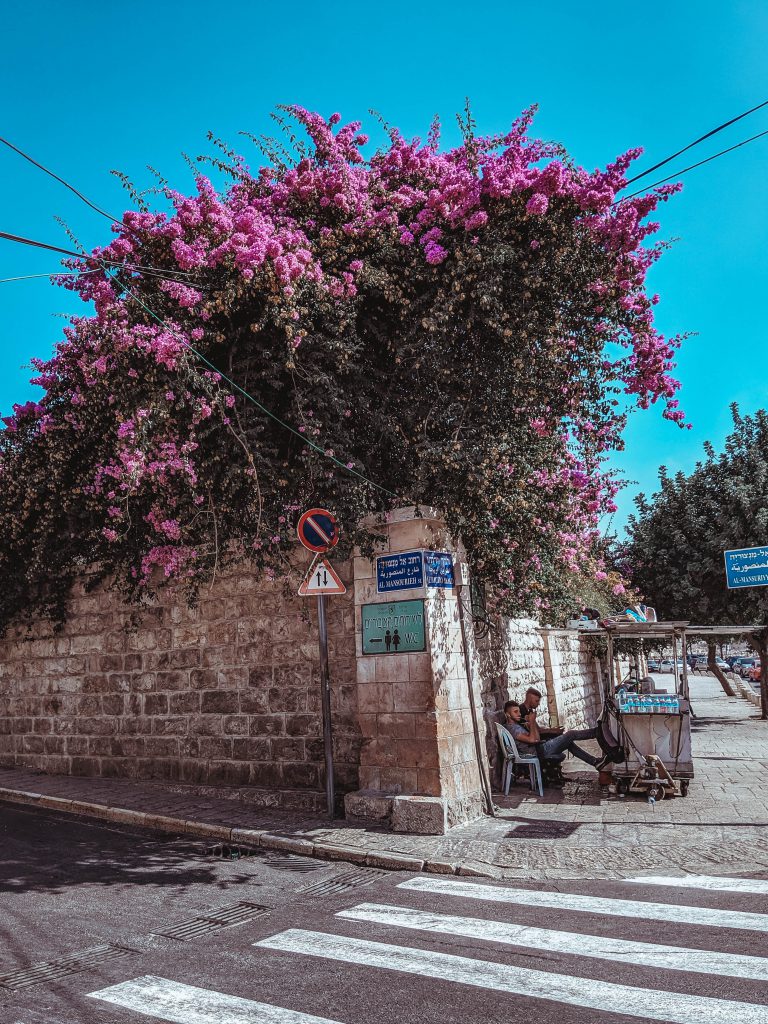
Spring (March–May) is the best time to visit. Temperatures sit around 15–22°C, the city is in full bloom, and the light in the Old City is extraordinary, warm and golden on those ancient stones. It’s also Passover and Easter season, which means the city is busier than usual but also more electric with pilgrims and festivals. Book accommodation well in advance if you’re visiting during these religious holidays.
Autumn (September–October) is equally pleasant, warm without being scorching, and the summer crowds have thinned out. Jewish High Holidays (Rosh Hashanah, Yom Kippur, Sukkot) fall in this period, worth knowing as some businesses close and the atmosphere shifts significantly.
Summer (June–August) is hot, temperatures can reach 30°C+, and busy. Start early to beat the crowds at the Western Wall and Temple Mount, and take a long midday break in the shade.
Winter (November–February) is cool and occasionally rainy, and Jerusalem can even see snow in January. The major sites are much quieter and hotel rates drop. If you’re visiting for spiritual rather than sightseeing reasons, the quieter atmosphere can actually make it more meaningful.
Note: many sites close or have limited hours on Shabbat (Friday evening to Saturday evening) and on Jewish and Muslim holidays. Always check ahead.
Getting To & Around Jerusalem
To get to Jerusalem, fly into Ben Gurion Airport (TLV) in Tel Aviv, about an hour away, with direct flights from London Heathrow and Gatwick and connections from several other UK airports. Compare prices on Skyscanner. From the airport, there’s public transport into the city every day except Shabbat, when you’ll need a taxi or a shared shuttle (Nesher Sherut) instead, or book a private transfer with WelcomePickups for a fixed price with a driver waiting at arrivals.
Within Jerusalem, the best way to get around is on foot, and honestly, walking is the only way to properly experience the texture of the place. If you need to go further, the bus system covers the rest of the city well, or take a taxi. The easiest way to book a reliable one is the Gett app, use promo code GTLEOYF for up to £15 off.
What to Wear / Jerusalem’s main attractions are religious sites, and modest dress isn’t optional, it’s required for entry. Women should wear something that covers the knees and shoulders, a lightweight maxi dress or loose trousers with a scarf works well in the heat. Men face no specific requirements at most sites but should have a head covering (kippah) for the Western Wall, these are provided free at the entrance.
Jerusalem FAQ
Is Jerusalem safe for tourists?
Yes, Jerusalem is generally very safe for tourists. The Old City and tourist areas have a visible security presence and violent incidents targeting visitors are extremely rare. As with any city, use common sense, stay aware of your surroundings, and check your government’s travel advice before you go. The FCO and US State Department both maintain up-to-date advisories for Israel and the Palestinian territories.
Do I need a visa to visit Jerusalem?
UK citizens do not currently need a visa to visit Israel for stays of up to 90 days, you’ll receive an entry stamp at the airport. Note that if your passport has stamps from certain other countries (previously Lebanon, Syria, Saudi Arabia), you may face extra scrutiny at immigration. Always check the latest entry requirements before you travel.
What is the currency in Jerusalem?
The currency is the Israeli New Shekel (ILS). Cards are widely accepted at hotels, restaurants, and larger shops, but carry some cash for the market stalls, smaller souvenir vendors, and sites that charge entry fees. ATMs are plentiful throughout the city.
Can I visit both the Western Wall and the Temple Mount?
Yes, but not at the same time and not via the same entrance. The Western Wall is accessible to all visitors throughout the day. The Temple Mount has limited opening hours (typically mornings only, Sunday to Thursday) and is closed on Fridays, Saturdays, and Muslim and Jewish holidays. Non-Muslim visitors can walk on the plaza but cannot enter the Dome of the Rock or Al-Aqsa Mosque. Arrive early to avoid queues and dress modestly.
When does Shabbat affect visiting Jerusalem?
Shabbat runs from approximately sunset on Friday to nightfall on Saturday. During this period, most public transport stops running, many Jewish-owned shops and restaurants close, and the Jewish Quarter of the Old City becomes very quiet. Muslim Quarter businesses remain open. Mahane Yehuda Market is closed. Plan accordingly, it’s actually a fascinating time to be in Jerusalem, but you need to be prepared for reduced services.
How far is the Dead Sea from Jerusalem?
The Dead Sea is about 55km from Jerusalem, roughly an hour by car. It’s an easy and extremely popular day trip, often combined with a visit to Masada. The easiest option is to join an organised tour: Masada & Dead Sea day trip from Jerusalem.
More Israel: Tel Aviv Bucket List
Enjoyed this article? Support my work by buying me a latte. Otherwise, do me a great favor of leaving a comment and following me on Instagram (@travelwithpau). Feel free to say ‘Hello!’ I don’t bite. And make sure you save the article for later on Pinterest!

This post contains affiliate links. If you click on one and make a purchase, I might make a small commission, at no extra cost to you in order to help support my blog.