
Last Updated on July 25, 2026
Istanbul was one of those cities I kept meaning to visit and somehow never quite got to. When I finally went, I spent the first day slightly annoyed at myself for waiting so long. This city is extraordinary. It’s the only city in the world that straddles two continents, and you feel that duality everywhere: in the architecture, the food, the energy, the history. Byzantine mosaics inside Ottoman mosques. A bazaar that has been trading for 500 years. A Bosphorus strait where container ships glide past waterfront palaces at sunset.
There’s nowhere else in Europe, or Asia, quite like it. Here’s what to put on your Istanbul bucket list.
VISITING ISTANBUL: THE ESSENTIALS
✈️ Getting There / Istanbul Airport (IST) is one of Europe’s busiest hubs with direct flights from most UK airports. Book a private airport transfer with WelcomePickups: the airport is 45 minutes from the city centre, and having a transfer pre-booked means you don’t have to deal with taxi negotiation on arrival. Search for flights on Skyscanner.
🚇 Getting Around / Get an Istanbulkart, the rechargeable transport card that works on all metro, tram, ferry, bus, and funicular lines. Buy it at yellow machines in metro stations and ferry terminals. If you need a taxi, use the BiTaksi app rather than flagging one down — it’s the local equivalent of Uber and avoids the risk of being overcharged.
🎟️ Tours / Istanbul rewards a guided tour, especially for the history-heavy sites. The best ones to book in advance:
Bosphorus Dinner Cruise & Show with Private Table
Blue Mosque, Basilica Cistern, & Hagia Sophia Tour
Topkapi Palace & Harem Museum Ticket & Audio Guide
European and Asian Side Guided Foodie Walking Tour
Bursa and Uludag Tour with Lunch & Cable Car
Private Turkish Bath, Massage, and Spa in Old City
Turkish Mosaic Lamp Workshop with Drinks & Snacks
🏨 Stay / Sultanahmet puts you closest to the main sights; Beyoğlu and Karaköy are better for nightlife and the food scene:
Budget: Hotel Almina
Mid-range: Hotel Ibrahim Pasha
Splurge: Çırağan Palace Kempinski
🚗 Car Rental / Not recommended within the city as traffic is chaotic. Useful if you’re planning a road trip to Cappadocia, the Aegean, or the Black Sea coast after Istanbul. Compare rates on DiscoverCars.
📱 Connect / You’ll need mobile data while you are in Turkey, I always recommend using an eSIM (there’s absolutely no need for a physical one!). I always use Sim Local, and you can get 5% discount with code TRAVELWITHPAU. Get it here.
🛡️ Get Insured / Things can and do go wrong when you travel. World Nomads offers coverage for over 150 activities as well as emergency medical, lost luggage, trip cancellation and more.
Istanbul Bucket List: 30 Things to Do
1. Start with a Walking Tour
I usually start all my big city trips with a walking tour so I can plan my remaining time more efficiently. Istanbul especially rewards this approach: the history spans 2,700 years across two continents and three empires (Roman, Byzantine, and Ottoman) and trying to make sense of it without a guide is genuinely overwhelming. A walking tour on day one contextualises everything you’ll see for the rest of your trip. The Istanbul Highlights Walking Tour covers the Sultanahmet district, Hagia Sophia, the Blue Mosque, and Topkapi Palace with a knowledgeable local guide. Worth every penny.
2. Visit Hagia Sophia
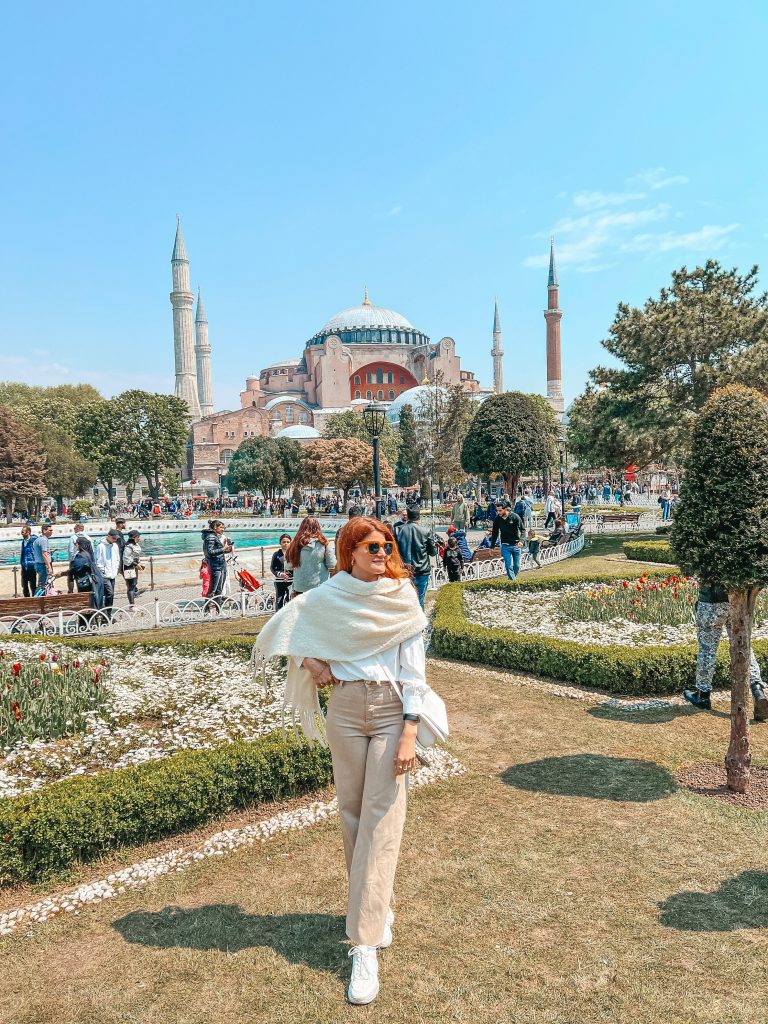
The Hagia Sophia is one of the most extraordinary buildings ever constructed: a 6th-century Byzantine cathedral that became an Ottoman mosque in 1453, a secular museum in 1935, and was reconverted to an active mosque in 2020. The sheer scale of the dome (completed in 537 AD and the largest in the world for nearly a thousand years) still takes your breath away. The Byzantine mosaics in the upper galleries are extraordinary.
Important 2026 update: Hagia Sophia is no longer free for foreign visitors. Entry to the upper galleries costs €25 per person: buy your ticket on-site (online tickets are sold by third-party agencies with added fees). The ground-floor prayer hall is only accessible to Muslims during prayer times. Dress code applies: covered shoulders and knees, headscarf for women.
Book a combined Hagia Sophia & Blue Mosque Guided Tour to make the most of both sites.
3. Explore Topkapi Palace and the Harem
Topkapi Palace was the administrative heart of the Ottoman Empire for nearly 400 years and it shows. The complex covers 70 hectares with four main courtyards, pavilions, treasuries, and imperial gardens, all overlooking the confluence of the Bosphorus and the Golden Horn. The Harem, the private residence of the sultan, his wives, and concubines, is the highlight: a labyrinthine series of tiled rooms, intimate courtyards, and extraordinary mother-of-pearl decoration.
Allow a full morning; it’s easy to spend 3 to 4 hours here. Book the Topkapi Palace & Harem Tour with Entry Ticket to skip the queues.
Practical info: Palace + Harem tickets are sold separately. Closed on Tuesdays.
4. Visit the Blue Mosque
Right across from Hagia Sophia, the Blue Mosque (Sultan Ahmed Mosque, 1616) is one of the finest pieces of Ottoman architecture in the world. Its name comes from the 20,000 hand-painted Iznik tiles that line the interior: a blue so deep and complex it shifts in different lights. Unusually for Istanbul, it has six minarets, which caused a scandal when it was built as only the mosque in Mecca had that many.
Entry is free, but the mosque is closed to visitors during the five daily prayer times (the closures are 30 to 90 minutes each). Dress code applies.
5. Discover the Basilica Cistern
Under the streets of Sultanahmet, the Basilica Cistern is a 6th-century underground reservoir built by Emperor Justinian: 336 marble columns stretching into dramatic, half-lit darkness, with koi fish swimming between them and two inverted Medusa heads repurposed as column bases in a back corner. It’s one of the most atmospheric spaces in Istanbul. Now requires a paid ticket — buy in advance to avoid queues.
Browse Basilica Cistern tickets.
6. Climb the Galata Tower
The Galata Tower (1348) was built by the Genoese as a watchtower and remains one of the most recognisable landmarks in the Istanbul skyline. The view from the top is one of the great panoramas of Europe: looking across the Golden Horn to Sultanahmet, with the Bosphorus stretching beyond. Go at sunset if you can.
Book your Galata Tower Entry Ticket with Audio Guide: the audio guide adds real context to what you’re seeing.
7. Take a Bosphorus Cruise
Seeing Istanbul from the water is completely different from seeing it on foot, and the Bosphorus is one of the great stretches of water in the world: two kilometres wide at its narrowest, connecting the Black Sea and the Sea of Marmara, with Ottoman palaces, yalı (waterfront mansions), and suspension bridges all the way along its banks.
A daytime cruise gives you the landmarks and the views; an evening dinner cruise gives you the city lit up at night with a show included. Both are worth it for different reasons.
- Bosphorus Sightseeing Cruise with Audio Guide: the classic daytime option
- Bosphorus Dinner Cruise & Show: excellent for a special evening
8. Explore the Grand Bazaar
The Grand Bazaar (Kapalıçarşı) has been operating continuously since 1455 and is one of the world’s oldest and largest covered markets: over 4,000 shops across 61 covered streets. The Turkish carpets, ceramics, jewellery, leather, and spices are extraordinary. So is the chaos, the colour, and the relentless negotiation.
Go without a specific shopping agenda. Just wander, say no politely and often, accept a glass of çay from a carpet seller you have no intention of buying from, and enjoy it as the theatre it is.
Tip: Prices are always negotiable. Starting at around 60 to 70% of the asking price is reasonable for major purchases.
9. Visit the Spice Bazaar
The Egyptian Bazaar (Mısır Çarşısı), also known as the Spice Bazaar, is smaller and more manageable than the Grand Bazaar, and in many ways more beautiful: the smell alone when you walk in is worth the detour. Turkish delight in every flavour, sacks of spices, dried fruit and nuts, local honeys, and some of the best saffron you’ll find outside Iran. The waterfront location near Eminönü is also one of the great ferry junctions of the city.
10. Wander the Streets of Balat
Balat is Istanbul’s old Jewish quarter: a hillside neighbourhood of brightly painted Ottoman houses in varying states of beautiful decay, cobblestone streets, antique shops, and some of the most characterful cafés in the city. It feels completely different from the tourist-heavy Sultanahmet. Walk up the steep lanes, find a rooftop café, and stay longer than you planned. Nearby Fener is equally atmospheric and usually even quieter.
11. Experience a Turkish Bath
A traditional hamam (Turkish bath) is one of those experiences that sounds slightly intimidating beforehand and is actually one of the best things you can do in Istanbul. The process: steam room, full-body scrub by an attendant (a kese mitt that will remove more dead skin than you thought possible), foam massage, rest. You come out feeling like a new person.
The Çemberlitaş Hamam, built in 1584 by the legendary Ottoman architect Mimar Sinan, is the most historic option. Book your Turkish Bath experience at Çemberlitaş.
Practical info: Allow 1.5 to 2 hours. The basic package is around €35 to 40; fuller packages with oil massage run to €55 to 70.
12. Explore Dolmabahçe Palace
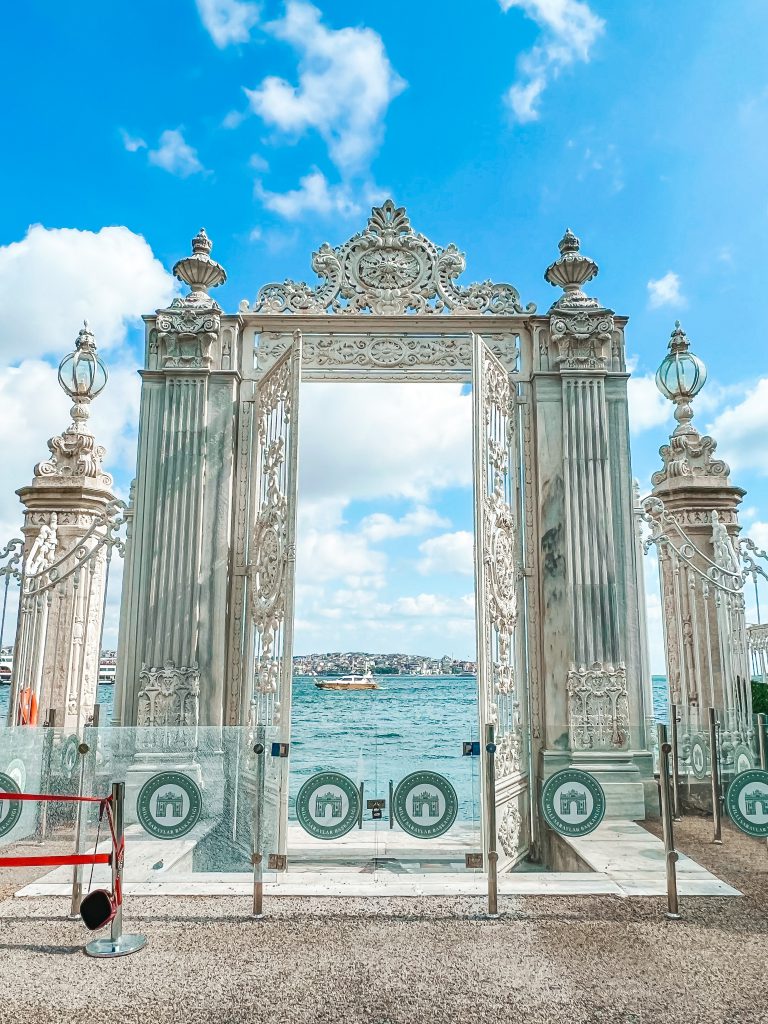
Dolmabahçe is what you get when a 19th-century Ottoman sultan decides to build a palace that out-Versailles Versailles. It’s extraordinary and slightly absurd in equal measure: 285 rooms, 46 halls, 68 toilets, 6 tonnes of gold leaf on the ceilings, and a crystal staircase with a banister of Baccarat crystal. The palace stretches 600 metres along the Bosphorus waterfront and was home to six sultans and, later, to Atatürk, who died here in 1938.
Book the Dolmabahçe Palace & Galata Tower Combo: a great way to combine both in one day.
Practical info: Closed on Mondays. Entry by guided tour only (included with most ticket options). Allow 1.5 to 2 hours.

13. Eat Everything
Istanbul’s street food scene is one of the best in the world. The essentials:
Turkish coffee at Mandabatmaz: The specialist coffee shop in Beyoğlu. Dense, strong, and served in tiny cups. The fortune-telling that follows is optional but highly recommended.
Pide: Turkish flatbread baked in a wood-fired oven, topped with cheese, minced meat, or egg. Think of it as Turkey’s answer to pizza, but better. Order one fresh from a pide shop and eat it immediately.
Balık Ekmek (fish sandwich): grilled mackerel in bread, eaten at the Eminönü waterfront while watching the ferries. Non-negotiable. Best spots to get it from.
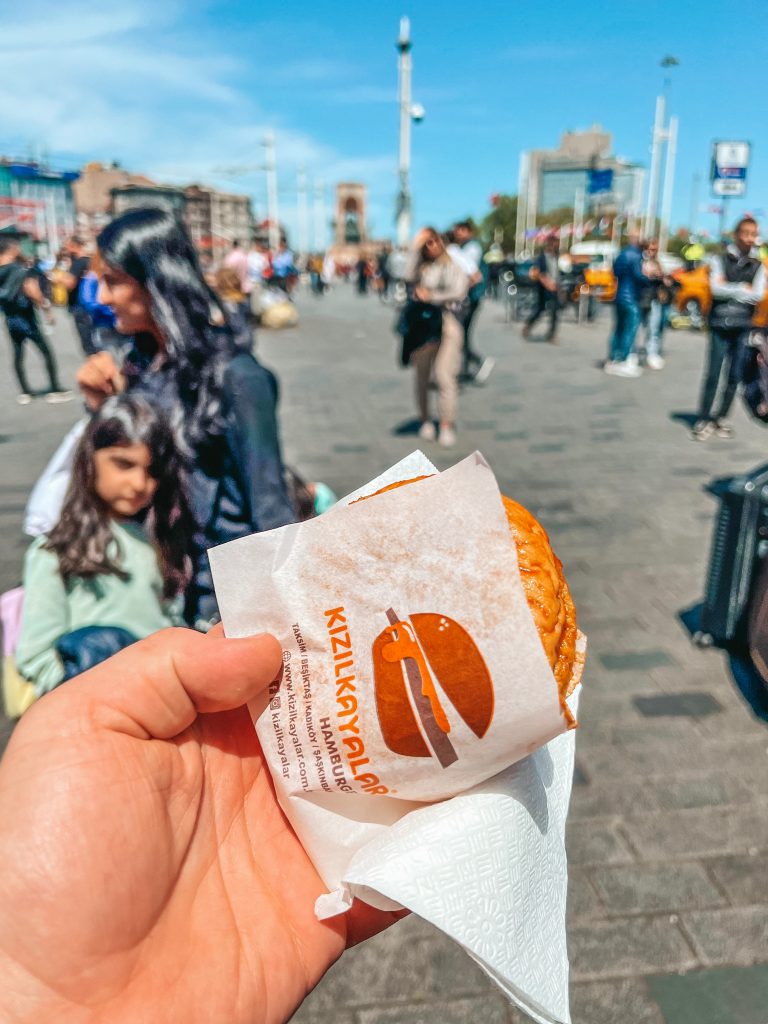
Islak Burger: steamed, garlic-sauced mini burgers from the stalls on İstiklal Avenue. This one is a must, and I don’t think you can’t like it.
Kumpir: baked potato stuffed with almost everything imaginable, sold on Ortaköy Square next to the mosque.
Midye Dolma: stuffed mussels sold from street carts, filled with spiced rice and squeezed with lemon. Absolutely delicious. The best ones are at Midyeci Ahmet.
Kokoreç: offal wrapped in intestines and cooked on a rotisserie, served in a bread roll. Don’t ask too many questions. It’s excellent. Try this one
Simit: sesame-crusted bread rings sold by street vendors all day, every day. The Istanbul pretzel. Get one warm.
Baklava at Karaköy Güllüoğlu: The most celebrated baklava shop in Istanbul, just across the Galata Bridge. Flaky, buttery, and completely impossible to eat just one piece.
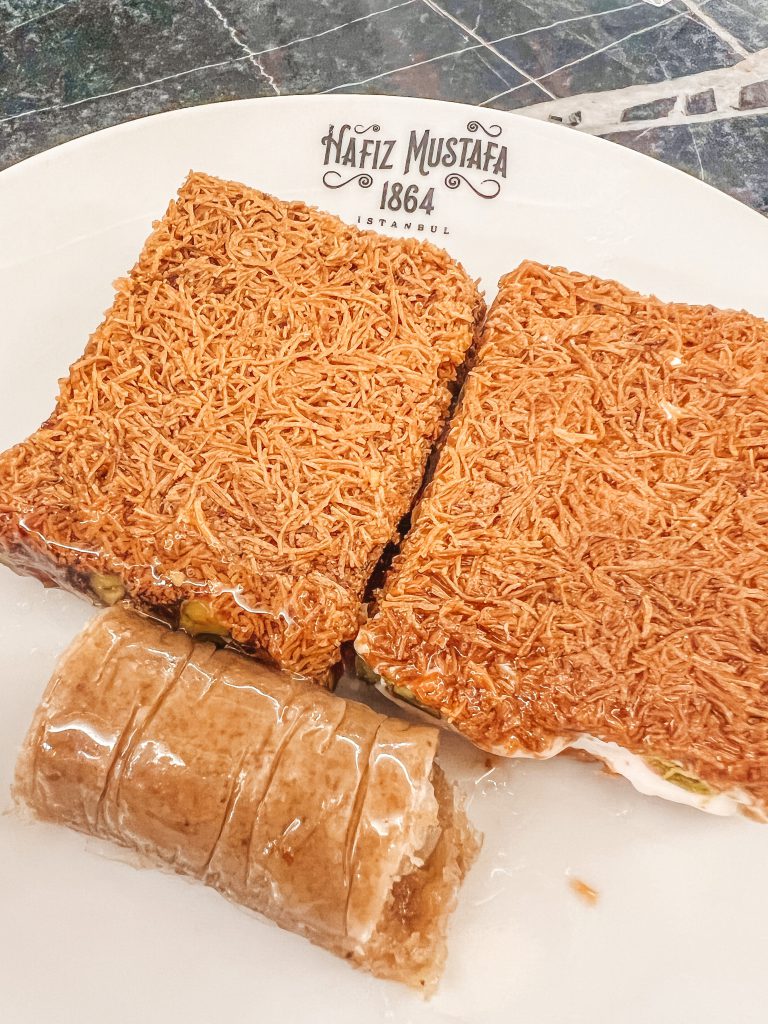
Sweets at Hafiz Mustafa: Istanbul’s legendary sweets institution since 1864. The place for lokum (Turkish delight), künefe, and a proper Turkish coffee all under one roof.
Boza at Vefa Bozacısı: Thick, slightly sour, slightly sweet fermented millet drink served cold with cinnamon. Very much an acquired taste. Try it at the original Vefa shop, which has been open since 1876.
Elastic Turkish ice cream (dondurma): Street vendors spin, stretch, and tease before finally handing it over. Completely theatrical, genuinely delicious.
Turşu suyu (pickle juice): Istanbul has dedicated pickle juice bars. A glass of cold, spiced brine from a street turşucu. I wasn’t brave enough to try it but I trust you will be! Try it here.
Turkish breakfast on Besiktas Breakfast Street: A full spread of cheeses, olives, eggs, tomatoes, honey, and clotted cream. Go on a weekend morning and take your time.
For a proper guided introduction, the Istanbul Traditional Street Food Tour is one of the best tours in the city.
14. Explore Karaköy and Galata
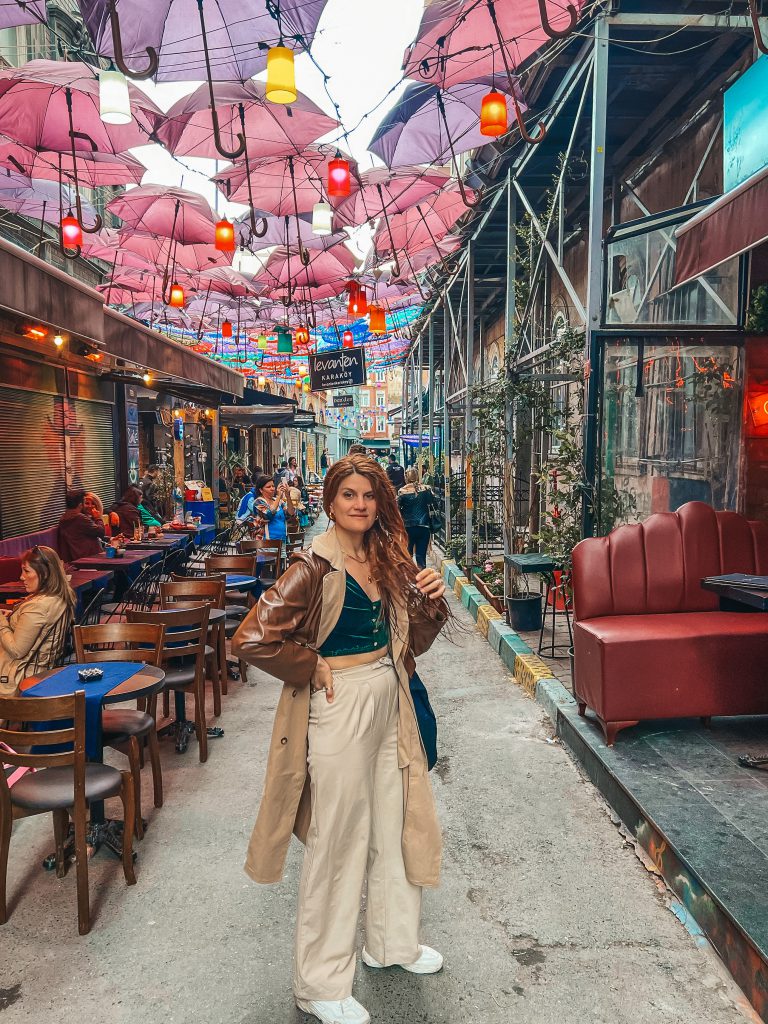
Karaköy is the neighbourhood at the bottom of the Galata Tower, and it’s one of the most interesting parts of the city right now: old fish markets converted into trendy coffee shops, Ottoman buildings housing craft cocktail bars, art galleries opening in former hardware stores. The Galata Bridge connects it to Eminönü and is itself worth a walk, with fishermen lining both sides day and night.
Just up the hill, Galata proper has a lovely tangle of boutiques, independent bookshops, and music instrument shops that have been here since the early 20th century.
15. Walk İstiklal Avenue and Beyoğlu
İstiklal Caddesi is Istanbul’s main pedestrian shopping street: 1.4 kilometres of shops, cafés, cinemas, restaurants, and people. It’s lively at any time of day but especially in the evening, when it fills up with locals out for a stroll. Ride the historic Nostalgic Tram that runs down the centre of the street. At the top of İstiklal, Taksim Square is the symbolic heart of modern Istanbul.
The surrounding Beyoğlu neighbourhood is where you’ll find the best restaurants, bars, and live music in the city.
16. Visit Süleymaniye Mosque
While the Blue Mosque gets all the tourists, the Süleymaniye Mosque (1558), also designed by Mimar Sinan, is architecturally superior and almost always quieter. The interior is a masterclass in Ottoman design: restrained, perfectly proportioned, and serene. The courtyard views over the Golden Horn are beautiful. Sinan himself is buried in a small mausoleum at the corner of the complex.
Practical info: Free to enter. Closed during prayer times. Dress code applies.
17. Cross to the Asian Side (Kadıköy)
Istanbul’s Asian side feels like a different city: calmer, more residential, more local. Kadıköy is the main hub, with a brilliant covered market (the Kadıköy Market), excellent restaurants and meyhane (taverns), great coffee shops, and a completely different pace of life from Sultanahmet. Take the ferry from Eminönü or Karaköy; the 20-minute crossing is itself one of the great Istanbul experiences.
18. Escape to the Princes’ Islands
The Princes’ Islands (Adalar) are a group of car-free islands in the Sea of Marmara, easily reached by ferry from Eminönü (1 hour). Büyükada is the largest: horse-drawn carriages, wooden Ottoman villas, pine forests, and beaches that feel impossibly peaceful given that you’re an hour from one of the world’s most intense cities. A perfect half-day escape, especially in summer.
If you’d rather have everything sorted, this Princes’ Islands cruise includes lunch and transfers and takes the planning out of it entirely.
Practical info: Ferries run from Eminönü pier throughout the day. The ferry is covered by Istanbulkart. Allow 4 to 5 hours for Büyükada including the crossing.
19. Explore Çukurcuma for Antiques
Çukurcuma, a steep neighbourhood between Karaköy and Beyoğlu, is Istanbul’s antiques district: a maze of shops selling everything from Ottoman furniture and Art Deco lamps to old vinyl, Soviet cameras, and Byzantine fragments of uncertain provenance. Whether you’re buying or just browsing, it’s fascinating. The 2008 Orhan Pamuk novel The Museum of Innocence is set partly here; the actual Museum of Innocence, created by Pamuk, is also in the neighbourhood and worth a visit.
20. Watch the Sunset from Pierre Loti Hill
Pierre Loti Hill is a hilltop tea garden in the Eyüp neighbourhood with a panoramic view over the Golden Horn, named after the French novelist Pierre Loti who was famously in love with Istanbul and spent long hours here. Take the cable car up, order a çay, and watch the light change over the city as the sun goes down. It’s one of those Istanbul moments that doesn’t cost anything and stays with you.
Practical info: Take the ferry from Eminönü to Eyüp pier, then the cable car up the hill. Free to enter the garden; çay costs about 30 to 40 TL.
21. See the Whirling Dervishes
The Sema ceremony of the Mevlevi order is one of the most hypnotic and genuinely moving experiences in Istanbul. White-robed dervishes spin in continuous, meditative rotation to live music: a ceremony practised since the 13th century and recognised by UNESCO as an Intangible Cultural Heritage. It is not a tourist show put on for visitors; it is a spiritual practice, and you feel the difference.
The Hodjapasha Cultural Centre, a converted 550-year-old hamam in Sultanahmet, hosts regular performances and is the most accessible venue. For something more authentic, the Galata Mevlevi Lodge in Beyoğlu holds ceremonies in a genuine 17th-century Mevlevihane.
Practical info: Performances run approximately 1 hour. Dress respectfully; photography is usually permitted but flash is not. Book in advance as popular performances sell out.
22. Visit the Chora Church
The Church of the Holy Saviour in Chora (Kariye Mosque) contains some of the finest Byzantine mosaics and frescoes in existence, arguably more impressive than those in Hagia Sophia. Completed in the early 14th century under the patronage of Theodore Metochites, the interior is covered in gold mosaic scenes from the life of Christ and the Virgin Mary. The colours have survived 700 years and still look extraordinary.
It sits in the Edirnekapı neighbourhood near the old Theodosian Walls, slightly off the main tourist trail. That is part of the appeal: no queues. Combine it with a walk along the city walls and lunch in Balat, which is only 15 minutes away on foot.
Practical info: Re-opened as a mosque in 2020. Non-Muslim visitors are admitted outside prayer times. Dress code applies: covered shoulders and knees, headscarf for women.
23. Spend an Afternoon at Istanbul Modern
Istanbul’s contemporary art museum moved into a stunning new Renzo Piano-designed building on the Karaköy waterfront in 2023 and is now one of the most architecturally striking spaces in the city. The collection focuses on Turkish modern and contemporary art: painting, photography, sculpture, film. The building’s glass facade with views across the Bosphorus is reason enough to visit even if modern art is not usually your thing.
It is a natural add-on to a Karaköy afternoon: coffee in the neighbourhood, the museum, then a walk across Galata Bridge at sunset.
Practical info: Closed on Mondays. Check current temporary exhibitions before you go.
24. Rest in Gülhane Park
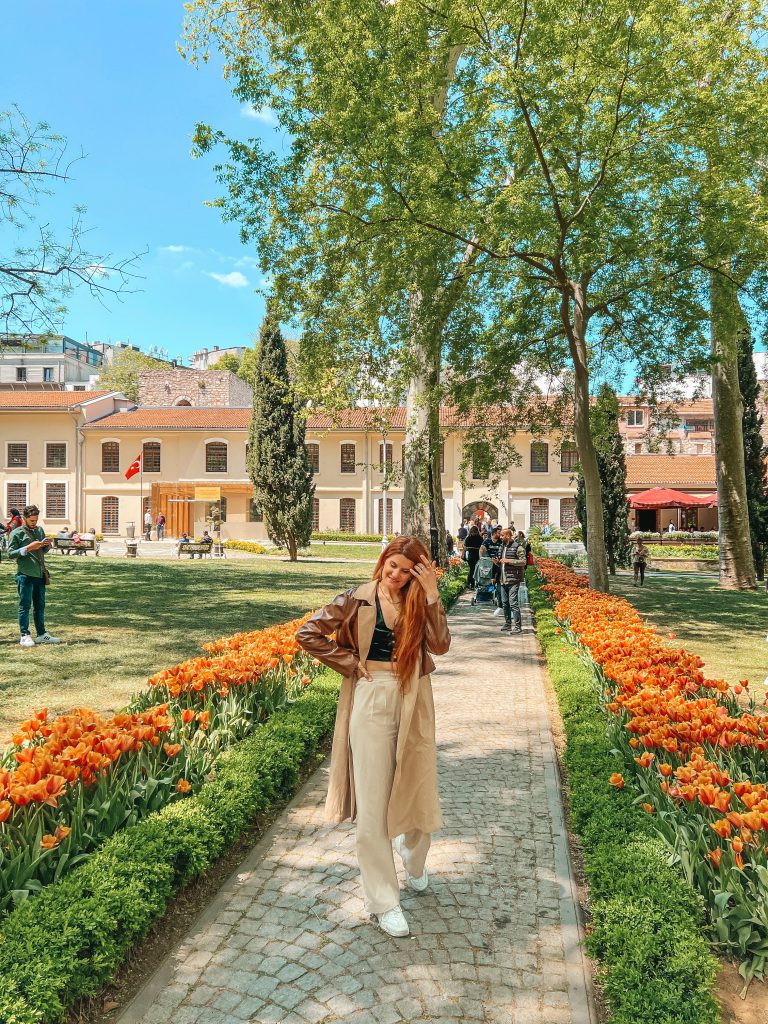
Gülhane Park sits right below Topkapi Palace in the Fatih district and is one of Istanbul’s oldest public parks, originally part of the palace grounds. It is a lovely place to slow down for an hour: tree-lined paths, roses in season, and a view over the Bosphorus from the far end. After a morning of mosque-hopping and palace-touring in Sultanahmet, it is the perfect place to decompress before the afternoon.
Practical info: Free to enter. Open daily. At its best in spring when the tulips and roses are in bloom.
25. Experience Time Travel with the Legends of Istanbul
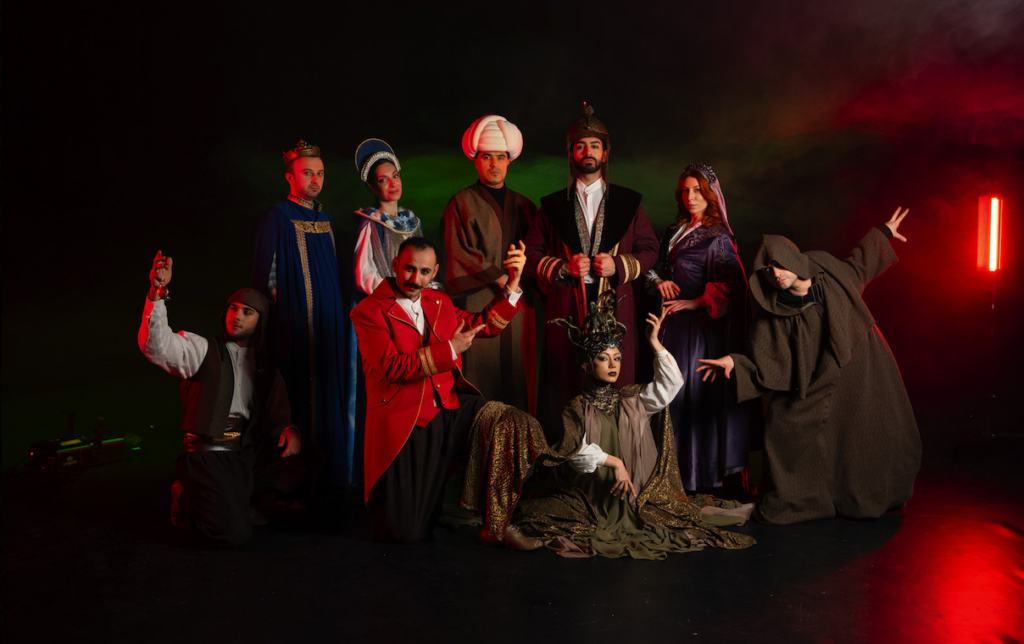
Legends of Istanbul is an epic live performance that immerses audiences in the city’s enchanting historical myths through mesmerising digital effects and extraordinary storytelling. Talented actors will take you on an unforgettable journey from the Curse of Medusa to the Glittering Dance of Hürrem Sultan, from Galata to Hagia Sophia. Each character will come to life with their special costumes and bring the magic of Istanbul to life on stage.
26. Visit the Museum of Turkish and Islamic Arts
Housed in the former palace of Ibrahim Pasha right on the Hippodrome, the Museum of Turkish and Islamic Arts holds one of the world’s finest collections of Islamic art: carpets dating back to the 13th century, Iznik ceramics, calligraphy, woodwork, and a fascinating ethnography section showing traditional Ottoman domestic life. It sits directly across from the Blue Mosque and is far less visited than the sites around it, which makes the whole experience considerably more pleasant.
Practical info: Open Tuesday to Sunday. Entry approximately 200 TL. Easy to combine with the Blue Mosque and Hagia Sophia in the same morning.
27. Explore the National Archaeological Museum
Istanbul’s National Archaeological Museum is one of the great archaeology collections in the world and receives a fraction of the visitors it deserves. The collection spans Ancient Egypt, Mesopotamia, Anatolia, Greece, and Rome. The star piece is the Alexander Sarcophagus, a 4th-century BC marble tomb carved with battle scenes in extraordinary detail. The complex also includes the Museum of the Ancient Orient and the Tiled Kiosk Museum.
Practical info: Located just below Topkapi Palace, easy to combine in the same morning. Closed on Mondays.
28. Visit the Grand Çamlıca Mosque
The Grand Çamlıca Mosque, completed in 2019 on Istanbul’s Asian side, is the largest mosque in Turkey: six minarets, a dome visible from across the Bosphorus, and capacity for over 37,000 worshippers. It sits on a hill in Üsküdar with sweeping views over the strait and the European skyline. The interior is genuinely awe-inspiring even after everything else you will have seen in Istanbul. Combine it with a wander through Kadıköy on the same Asian-side day.
Practical info: Free to enter. Dress code applies. Take the ferry to Üsküdar from Eminönü or Karaköy.
29. Experience Dialogue in the Dark
Dialogue in the Dark guides visitors through a series of everyday environments, including a park, a market, and a café, in complete darkness, led by guides who are blind or visually impaired. It completely changes how you experience and process the world around you. It is one of the most unusual and genuinely affecting things you can do in Istanbul, and almost nobody who travels here knows it exists.
Practical info: Check for current dates and availability before your trip as the exhibition runs for limited periods.
30. Relax at Atatürk Kültür Merkezi’s Library
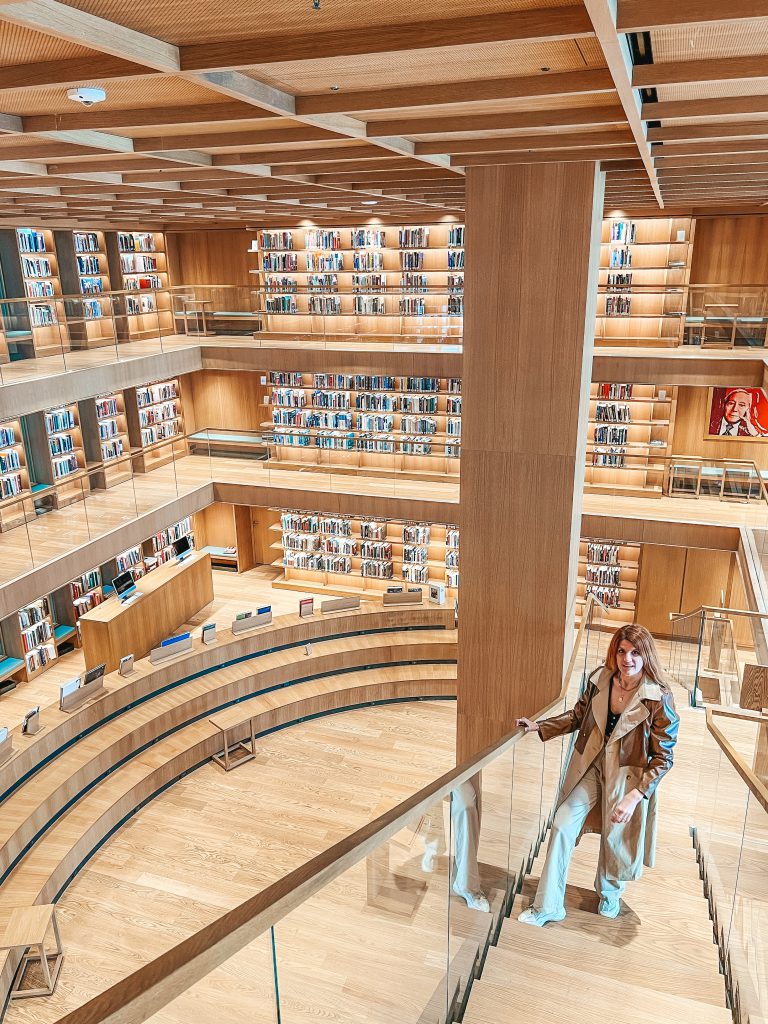
Find a cosy corner at Atatürk Kültür Merkezi’s Library and immerse yourself in a world of literature. Get lost in the pages of captivating books, surrounded by a serene and peaceful atmosphere. It is a beautiful library, and the Atatürk Cultural Centre always has cool, free exhibitions running alongside.
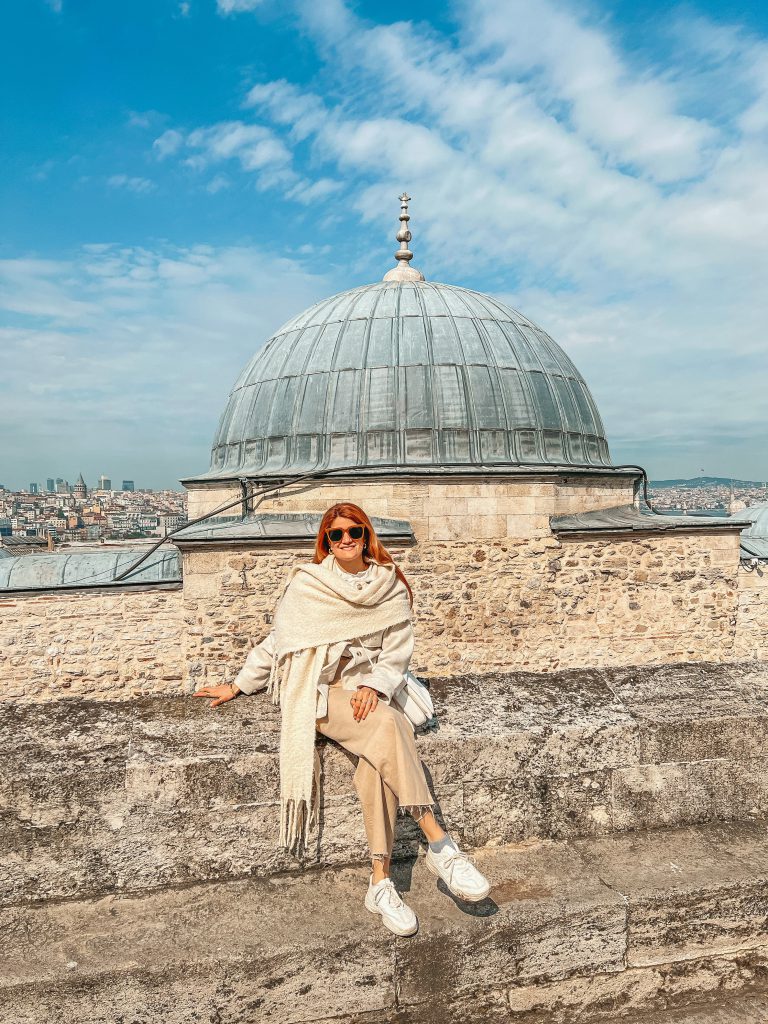
Istanbul Day Tours
Istanbul’s location makes it an excellent base for day and multi-day excursions. These are the options most worth your time:
- Gallipoli Full-Day Tour from Istanbul with Lunch: the WWI battlefield where Allied forces (including ANZAC troops) fought one of the most significant campaigns of the war. A moving and historically important visit, about 4 hours each way. Tours depart early and return late but are absolutely worth the long day.
- Princes’ Islands Cruise with Lunch & Transfer: car-free Ottoman islands in the Sea of Marmara, a world away from the city hustle. Büyükada is the largest and most beautiful.
- Bursa Day Trip with Lunch and Transfers: the first Ottoman capital, with a stunning Green Mosque, silk bazaar, and the famous İskender kebab. Accessible by fast ferry across the Sea of Marmara, then bus (about 2.5 hours total).
- Ephesus Day Tour with Return Flights: Turkey’s most spectacular Greco-Roman ruins. Flying makes this doable as a day trip; the Library of Celsus and the Great Theatre are extraordinary.
- 2-Day Cappadocia Tour with Balloon Ride: the extraordinary lunar landscape of rock chimneys, cave hotels, and hot-air balloon rides is one of Turkey’s unmissable experiences. Worth at least 2 nights, and this tour covers it all.
Where to Stay in Istanbul
The main choice is between Sultanahmet (old city, closest to the major sights, quieter at night) and Beyoğlu/Karaköy (more vibrant, better food and nightlife, easy tram access to the sights). I’d recommend Beyoğlu for a first visit: you don’t need to be walking distance from Hagia Sophia when the tram gets you there in 15 minutes.
Budget: Hotel Almina is a well-located Sultanahmet option with clean, decent-sized rooms and good reviews for the price. An easy walk to all the main sights. Best for first-time visitors who want to be close to everything.
Mid-range: Hotel Ibrahim Pasha is a beautiful boutique hotel in a converted Ottoman townhouse in Sultanahmet, with a rooftop terrace overlooking the Blue Mosque. Exceptional service and atmosphere. Best for couples.
Splurge: Çırağan Palace Kempinski is a 19th-century Ottoman palace right on the Bosphorus, the most spectacular hotel in Istanbul and one of the great hotels of Europe. The pool that appears to float on the Bosphorus is iconic. Best for a truly special occasion.
Alternative splurge: Four Seasons Hotel Istanbul at the Bosphorus: another former Ottoman palace with a similarly spectacular waterfront setting.
Search and compare all Istanbul hotels →
Where to Eat in Istanbul
Istanbul has one of the most exciting food scenes in the world, across both the European and Asian sides. I’ve put together curated Google Maps lists so you can browse and save your favourites before you go.
- Where to have Lunch & Brunch in Istanbul
- Where to have Dinner in Istanbul
- Where to have drinks in Istanbul
- Best coffee shops in Istanbul
- Best Istanbul ice cream and desserts
- Vegan friendly restaurants in Istanbul
Best Time to Visit Istanbul
Istanbul has distinct seasons and the timing of your visit really does matter.
Spring (April to May) is the best time to visit: mild temperatures (15 to 20°C), the tulip festival in April transforms the parks and gardens, and the tourist crowds haven’t peaked. The Bosphorus is beautiful in spring light and queues at the major sites are manageable.
Autumn (September to October) is equally good: warm enough for outdoor dining and Bosphorus boat trips, cooler than the summer heat, and the light in October is some of the best of the year.
Summer (June to August) is hot (28 to 35°C), busy, and occasionally overwhelming. The city is packed with tourists and the queues at Hagia Sophia and Topkapi can be brutal. If you do go in summer, arrive at sites when they open and take a Bosphorus cruise in the evening when it cools down.
Winter (November to February) is cold and rainy, but Istanbul in the off-season has a wonderful, slightly melancholy atmosphere that suits the city. The major sites are much quieter, accommodation is cheaper, and a glass of çay in a traditional tea house while watching rain fall over the Golden Horn is genuinely one of the great travel experiences.
Getting to Istanbul
By air: Istanbul Airport (IST) has direct flights from most UK airports, typically 3.5 to 4 hours. It’s one of the world’s busiest airports, well-served by Turkish Airlines, British Airways, easyJet, and Wizz Air. Book a private airport transfer with WelcomePickups: the airport is far from the centre and the transfer is well worth having pre-arranged. Note: Sabiha Gökçen Airport (SAW) on the Asian side is used by some budget airlines and adds significant transfer time. Search for flights on Skyscanner.
Getting around: The city’s public transport is excellent: metro, tram, funicular, and ferry all work with the Istanbulkart (165 TL card fee; around 42 TL per ride). The T1 tram line is your main tool, running from the airport metro connection through Sultanahmet to Kabataş. Ferries on the Bosphorus are both useful and scenic. Taxis and ride-sharing services like Uber are also readily available for more convenience, however they charge you the taxi fare. The local app for hailing taxis is called Bitaksi.
Car rental: Not recommended for the city itself. If you’re travelling beyond Istanbul (Cappadocia, the Aegean coast, the Black Sea) a rental car makes sense. Compare rates on DiscoverCars.
eSIM: You’ll need mobile data while you are in Turkey, I always recommend using an eSIM (there’s absolutely no need for a physical one!). I always use Sim Local, and you can get 5% discount with code TRAVELWITHPAU. Get it here.
How Long to Spend in Istanbul
3 days: Enough for Sultanahmet (Hagia Sophia, Blue Mosque, Topkapi, Grand Bazaar, Basilica Cistern), a Bosphorus cruise, a hamam, and one evening in Beyoğlu. Tight but doable.
5 days: The sweet spot. Adds Dolmabahçe, Balat, the Asian side, Pierre Loti Hill, and a day trip to the Princes’ Islands without feeling rushed.
7+ days: Use Istanbul as a base for day trips (Gallipoli, Bursa, or a flight to Cappadocia) and spend proper time in the neighbourhoods rather than ticking off sights.
Istanbul FAQ
Is Istanbul safe to visit?
Istanbul is generally safe for tourists. The main issues are petty scams (particularly around Taksim and the Grand Bazaar: be wary of anyone who approaches you unprompted with a ‘special deal’), aggressive taxi drivers, and the usual big-city pickpocketing in crowded areas. Solo female travellers should be aware of street harassment in some areas, especially after dark. The city itself is welcoming and the vast majority of interactions are positive.
What is the best time to visit Istanbul?
Spring (April to May) and autumn (September to October) are the best times: mild weather, manageable crowds, and beautiful light. Summer is hot and very busy; winter is cold but atmospheric and much cheaper.
Do I need a visa for Turkey?
UK citizens can visit Turkey for up to 90 days without a visa (as of 2026). US, Canadian, and Australian citizens can obtain an e-Visa online before travel. Check the Turkish government’s official e-Visa portal for current requirements.
What currency is used in Istanbul?
Turkish Lira (TRY). Credit cards are widely accepted in hotels, restaurants, and shops, but carry some cash for street food, markets, transport, and smaller establishments. ATMs are plentiful.
How do I get around Istanbul?
Get an Istanbulkart (165 TL card fee; around 42 TL per ride) and use the metro, tram, and ferry network. The T1 tram line is your main tool for the historic peninsula. Ferries on the Bosphorus are both practical and beautiful. Avoid taxis unless you’re confident the meter is running.
Is Hagia Sophia still free?
No. Since 2023, foreign visitors pay €25 to access the upper galleries where the Byzantine mosaics are located. The ground-floor prayer hall is open to Muslims during prayer times. Dress code applies to all visitors.

Enjoyed this article? Support my work by buying me an oat capuccino. Otherwise, do me a great favor of leaving a comment and following me on Instagram (@travelwithpau). Feel free to say ‘Hello!’ I don’t bite. And make sure you save the article for later on Pinterest!

2 Comments
This has been very helpful, thank you. I cannot wait to go now!
You are so very kind for leaving a comment <3