Last Updated on October 2, 2026
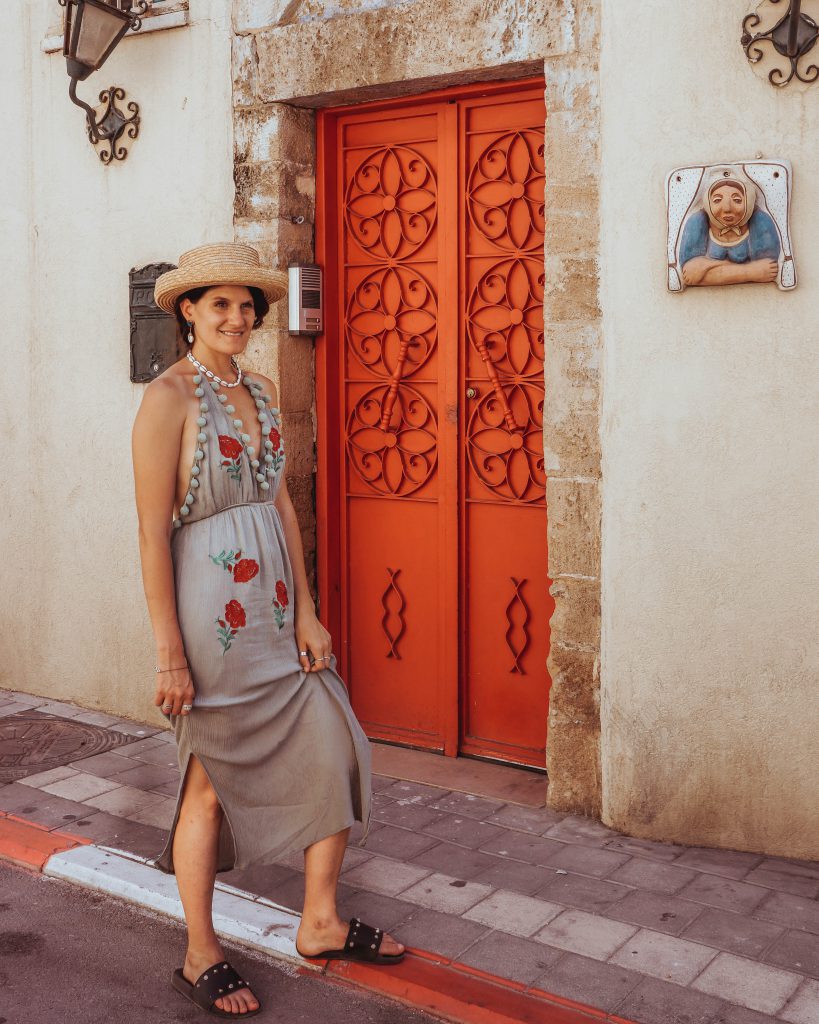
Tel Aviv surprised me. Having road-tripped around Israel, this was the city where I felt most at home, it’s not so different to London in that there are so many trendy places to eat and drink, designer stores, and all the things we millennials love. But the difference is it’s warm, sunny, and has beaches. In the space of a single afternoon you can wander through an ancient port in Old Jaffa, eat your way through a market that’s been running since 1920, and end up at a rooftop bar watching the Mediterranean turn gold. It’s a city that moves fast and yet also somehow has the most relaxed beach culture I’ve ever encountered.
Whether you’re visiting for a long weekend, a week, or just passing through on a Middle East trip, this Tel Aviv bucket list covers everything: the neighbourhood gems, the food you must try, the history you can’t skip, and the nightlife that will keep you out until dawn.
TEL AVIV ESSENTIALS
✈️ Getting There / Tel Aviv is served by Ben Gurion International Airport (TLV), located about 20km from the city centre. From the UK, flights take roughly 4.5 hours, EasyJet, El Al, and British Airways all fly direct from London. The train from the airport to Tel Aviv HaShalom station takes about 25 minutes and is the cheapest option into the centre. For a stress-free, pre-booked private transfer straight to your hotel, WelcomePickups is brilliant, especially if you’re arriving late at night or with luggage. Search flights on Skyscanner.
🚗 Getting Around / Tel Aviv is one of the most walkable cities I’ve ever visited, the main beaches, Rothschild Boulevard, Neve Tzedek, Florentin, and the Carmel Market are all within a reasonable stroll of each other. For longer distances, Mobike (the city’s bike-share scheme) is great along the seafront and HaYarkon Park. Buses run regularly throughout the week, but note that no public transport runs on Shabbat (Friday sunset to Saturday night), grab the Gett taxi app as backup, use code GTLEOYF for up to £15 off. Jerusalem is easily reachable by train in about 30 minutes.
🎟️ Tours / Tel Aviv rewards good guided tours, there’s a lot of history packed into its streets that you’d miss without context. Top picks:
Jaffa: Old City, Port & Flea Market Walking Tour
Carmel Market Food Tasting Tour
Bauhaus & Bohemian Vibes Private Walking Tour
Neve Tzedek to UNESCO White City Tour
Florentin Saturday Walking Tour
🏨 Stay / I stayed at ISLA Tel Aviv, a luxury capsule hotel that absolutely blew me away, see the full write-up below:
Budget: ISLA Tel Aviv
Mid-range: Trieste Neve Tzedek Boutique Suites
Splurge: Dan Tel Aviv
📱 Connect / Stay connected the moment you land. I use Holafly, use code TRAVELWITHPAU for 5% off.
🛡️ Get Insured / Always travel with insurance. I use World Nomads, they cover adventure activities, medical emergencies, and trip cancellation, which is important when travelling to a region where situations can change.
Table of Contents
Tel Aviv Bucket List: Things to Do in Tel Aviv
1. Explore Old Jaffa
Jaffa (Yafo) is the ancient port city that predates Tel Aviv by thousands of years, and it’s one of the most atmospheric places I’ve ever walked around. Jaffa is a real melting pot too, Jewish and Arab populations living and breathing the same closely-packed air. The narrow stone streets wind past Ottoman-era buildings, art galleries, the famous Clock Tower, and the ancient port itself, where the views back along the Tel Aviv skyline are stunning. Don’t miss the Jaffa Flea Market (Shuk HaPishpishim) just inland from the port, a brilliant maze of antique dealers, vintage clothing, record shops, street food stalls, and artist studios. Budget at least two or three hours here, or book this old city, port and flea market walking tour if you’d rather have the history of the melting pot explained as you go.
2. Eat Your Way Through Carmel Market (Shuk HaCarmel)
The Carmel Market has been Tel Aviv’s main market since 1920, and it remains the heartbeat of the city’s food scene. Stalls stretch the length of the street selling fresh produce, spices, olives, cheeses, bread, tahini, and every street food you’ve ever wanted to try. Go hungry, order a sabich (fried aubergine in pitta with egg and pickles), a plate of hummus topped with pine nuts and olive oil, a fresh-pressed pomegranate juice, and whatever the stall holder at the end is grilling. It’s loud, colourful, and utterly brilliant. Avoid Friday afternoons as it gets extremely crowded before Shabbat. If you’d rather not guess which stalls are worth queuing for, book this Carmel Market food tasting tour, someone who actually knows the stallholders takes you straight to the good stuff.
3. Indulge in Amazing Vegan Food
With around 400 vegan and vegan-friendly kitchens catering to the city’s huge vegan population, Tel Aviv has been dubbed the “vegan capital of the world”. I was a vegan when I visited Tel Aviv, and I can guarantee it won’t be hard at all to find great vegan food here, take advantage of the city’s reputation and try top-notch vegan cooking on this vegan culinary tour.
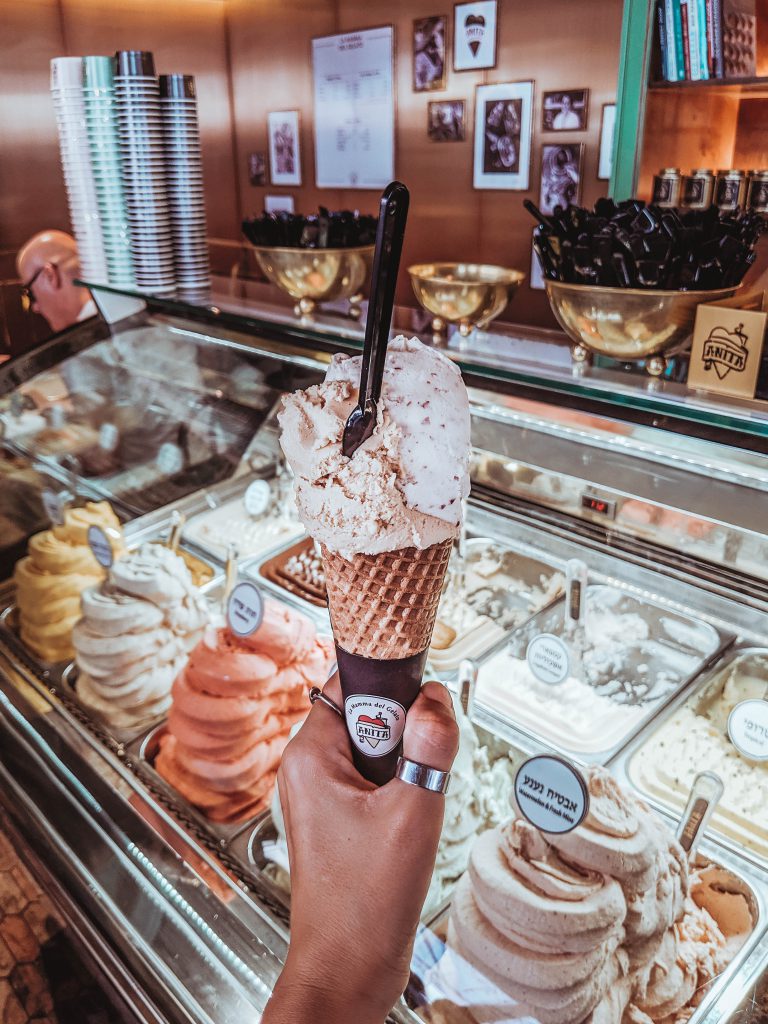
One stop you cannot skip: Anita Gelato was one of the biggest surprises I had from the whole of Israel, it was literally the best vegan ice cream I’ve ever had. There was zero difference from non-vegan ice cream in terms of taste, and the vegan flavours, Lotus/Biscoff cookie, Banana+Dates, were genuinely the best on the menu. It’s not even a dedicated vegan ice cream place either, My friend tried the dairy version and loved it just as much. There are four branches around the city, definitely visit one.
4. Walk the Bauhaus White City
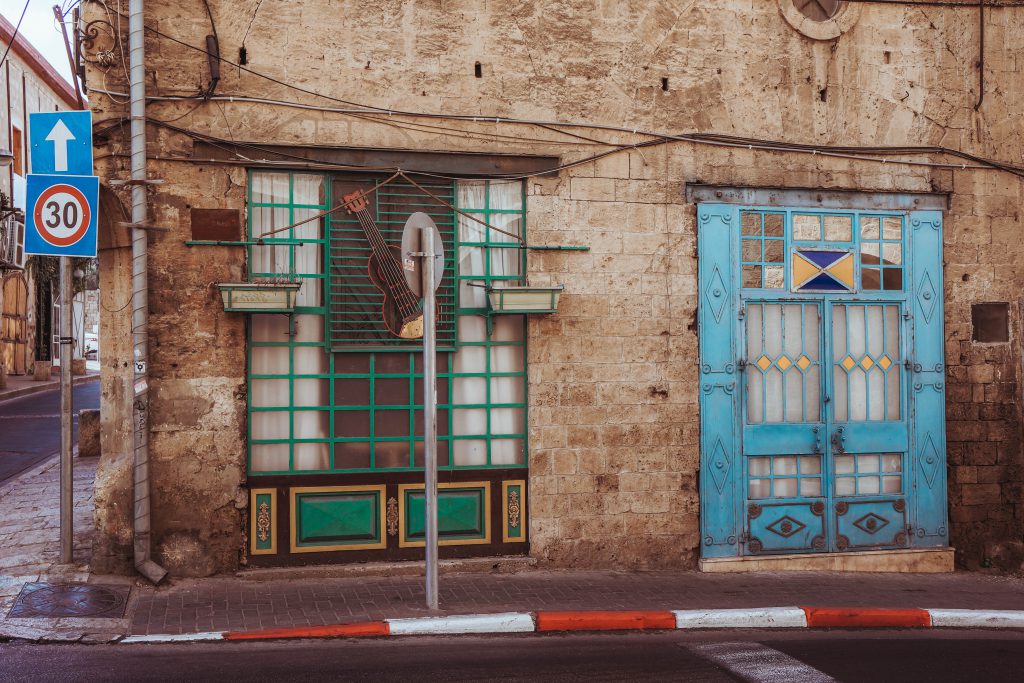
Tel Aviv has the world’s largest concentration of Bauhaus architecture, with over 4,000 buildings in the International Style built between the 1930s and 1950s. The UNESCO-listed White City is centred around Rothschild Boulevard and the streets surrounding it, all curved balconies, pilotis, and clean geometric lines. It’s genuinely beautiful, and fascinating once you understand how it got here: the architects were largely Jewish refugees from Nazi Germany who brought the Bauhaus style with them to Mandate Palestine. A guided walking tour brings this history to life in a way that wandering alone simply doesn’t, book this Bauhaus and bohemian vibes private walking tour to get the full backstory on how it ended up here.
5. Wander Neve Tzedek
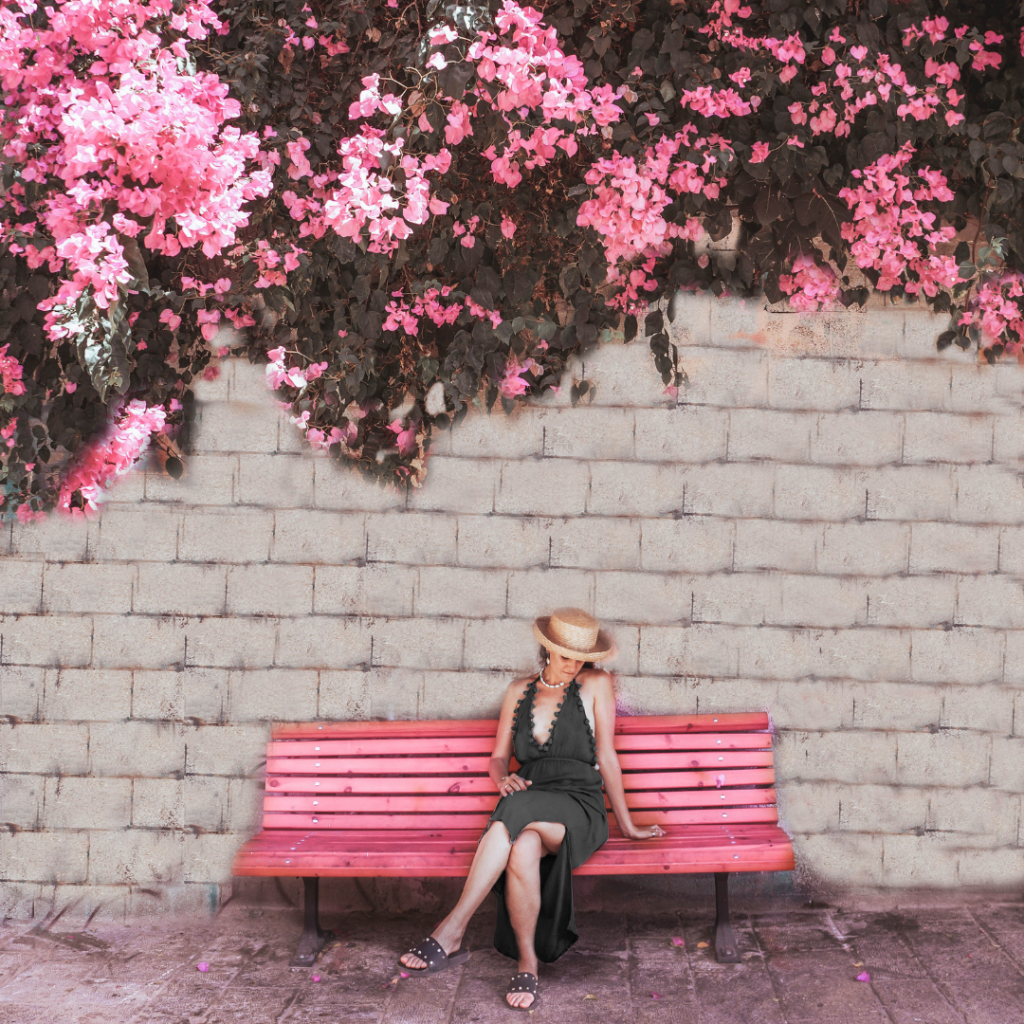
Neve Tzedek was Tel Aviv’s very first Jewish neighbourhood, founded in 1887, before Tel Aviv itself existed. Today it’s a beautifully preserved enclave of pastel-coloured low-rise buildings, boutique shops, galleries, and bougainvillea-draped alleyways. Shabazi Street is the main artery and is perfect for a morning coffee and a browse. It feels entirely different from the rest of the city, slower, more romantic, and very Instagrammable in the best possible way. This tour links Neve Tzedek through to the UNESCO White City if you want to cover both neighbourhoods properly in one go.
6. Spend a Morning at Tel Aviv Port (Namal)
The Tel Aviv Port (HaNamal) is a regenerated old port area to the north of the city that’s been transformed into a fantastic waterfront destination with restaurants, cafes, a farmer’s market on Fridays and Saturdays, and great sea views. It’s much less crowded than the main beach areas and has a really pleasant, local feel. Hire a bike here and ride south along the seafront promenade for a brilliant perspective of the whole city.
7. Hit the Beach
Tel Aviv’s beaches stretch for kilometres and are genuinely world-class, and clean and warm despite being in the middle of a major city. Gordon Beach and Frishman Beach are the most central and popular, lively, well-equipped with sun lounger hire, volleyball courts, and beach bars. Hilton Beach at the northern end is famously gay-friendly and has a brilliant atmosphere. Further north, Metzizim and Tel Baruch are quieter and popular with families, with Tel Baruch being one of the most solitary. And just north of Jaffa, Alma Beach has a more chilled, artsy crowd. The sea is warm from May through October, and the sunset from any beach in Tel Aviv is exceptional.
8. Get Lost in Florentin
Florentin is Tel Aviv’s coolest neighbourhood and a haven for street art, independent restaurants, vintage shops, and nightlife. It has a gritty, creative edge that feels very different from the polished seafront, think Shoreditch in London, or the Marais in Paris, but with better hummus and hotter weather. The neighbourhood comes alive at night: bars open late, DJs set up in courtyards, and locals spill out onto the pavements. Start with a wander during the day to spot the murals, then return after midnight, or book this Florentin Saturday walking tour to have the street art and the neighbourhood’s story explained properly while it’s quiet.
9. Explore Sarona Market
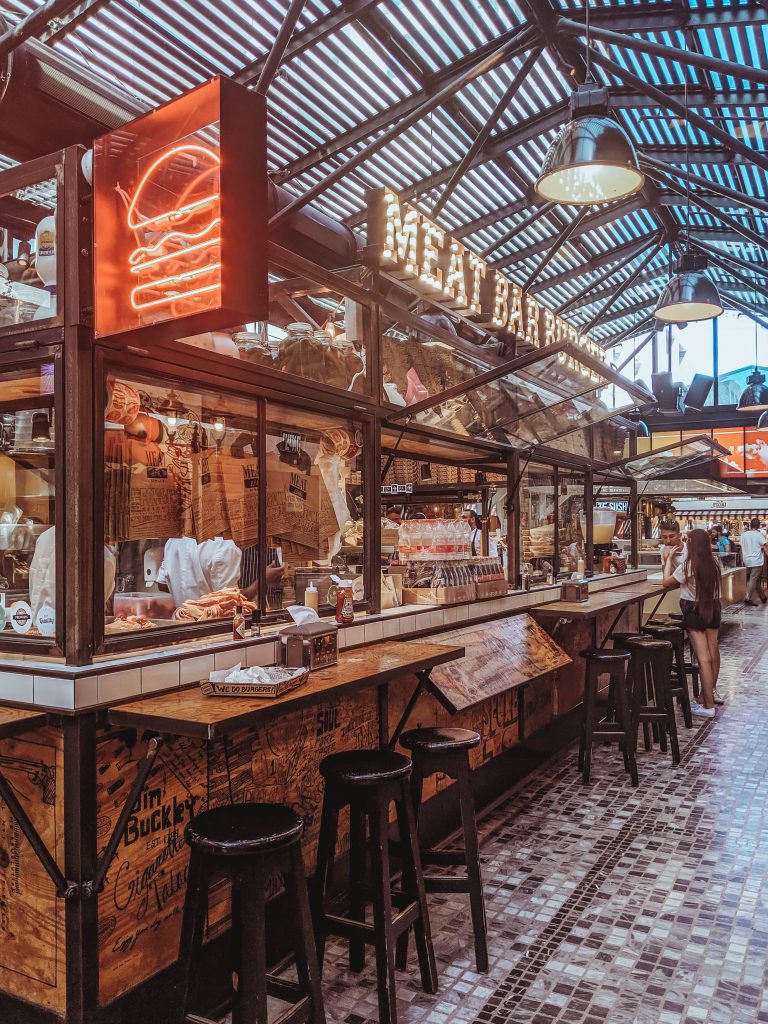
Sarona Market is Tel Aviv’s answer to Borough Market or Chelsea Market, a huge, high-quality indoor food hall set within a beautifully restored Templar Colony. Artisan cheese, fresh pasta, craft beer, Middle Eastern sweets, sushi, wine, you could spend hours here. It’s slightly more tourist-polished than Carmel Market, but the quality is excellent and it’s particularly good on a rainy day or as a Friday afternoon alternative to the more chaotic Shuk.

10. Stroll Rothschild Boulevard
Rothschild Boulevard is Tel Aviv’s most famous street, a wide, tree-lined promenade stretching through the heart of the White City, flanked by cafes, Bauhaus buildings, and public art installations. Walk the entire length of it from Neve Tzedek to Habima Square, home to a convention centre with a beautiful highline that’s great for sitting and listening to the rehearsals taking place inside. Hire a bike and ride the length of it, or simply walk from end to end stopping for coffee and people-watching. The boulevard is where Tel Avivians come to jog, work on laptops, and argue about everything, it’s the social spine of the city.
11. Walk HaYarkon Park
HaYarkon Park is Tel Aviv’s equivalent to New York’s Central Park, the green lung of the city. A great way to explore it is to grab a Mobike using the mobile app, starting on the beach then cycling along the Yarkon River, finishing at the park (or the other way round). I really loved doing this, it’s one of the best free ways to see a different side of the city away from the beach and the markets.
12. Experience Tel Aviv’s Nightlife (Including the Gay Scene)
Tel Aviv has one of the best nightlife scenes in the world, and one of the most welcoming gay scenes on the planet. The city is famous for its inclusive, celebratory party culture, and the area around Hilton Beach and Florentin are particularly known for LGBTQ+ venues and events. Clubs here don’t get going until 1 or 2am and run well into the morning. Don’t try to keep London hours, eat late, start late, and go hard. If you want a proper introduction to the scene without doing the legwork yourself, book this pub crawl and nightlife tour with shots included, a solid way to meet people on your first night out.
13. Visit the Yitzhak Rabin Museum
The Yitzhak Rabin Museum in Rabin Square is a powerful and moving tribute to Israel’s fifth Prime Minister, who was assassinated at a peace rally in the square outside in 1995. The museum traces Rabin’s life, his military career, his role in the Oslo Accords, and his legacy, with a level of nuance and emotion that makes it essential context for anyone wanting to understand modern Israel. Allow at least 90 minutes. The square outside, with its memorial stone marking the exact spot of the assassination, is sobering.
14. Try the Other Tel Aviv: Neve Sha’anan
If you’re up for something more alternative, the “Other Tel Aviv” tour by Abraham Tours takes you through south Tel Aviv’s Neve Sha’anan neighbourhood, letting you try a multitude of delicious traditional cuisines and snacks from the residents there. Food isn’t the only draw either, you’ll be introduced to Neve Sha’anan’s unique and complicated story, from its establishment by Jewish workers about a hundred years ago, through to the huge demographic changes of recent years. It’s a genuinely different side of the city from the beaches and Bauhaus streets.
15. See the Tel Aviv Museum of Art
One of the finest art museums in the Middle East, the Tel Aviv Museum of Art houses an impressive permanent collection spanning Impressionism, Expressionism, and contemporary Israeli art, alongside rotating international exhibitions. The building itself, a 1930s structure connected to a striking geometric extension, is worth seeing on its own. It’s a welcome respite from the heat on a summer afternoon and consistently excellent in terms of curation. The Helena Rubinstein Pavilion, a short walk away on Tarsat Boulevard, is a satellite of the same museum focused on contemporary art and design, and it’s free to enter, worth the detour if you’ve got time.

16. Try the Street Food Scene
Tel Aviv has one of the most exciting street food scenes anywhere in the world. The classics you must try: shakshuka (eggs poached in spiced tomato sauce, best eaten as breakfast), hummus (served warm, with olive oil and pitta, nothing like supermarket hummus, nothing), sabich (fried aubergine, boiled egg, pickles and tahini in pitta), and falafel from a proper hole-in-the-wall. Abu Hassan in Jaffa is legendary for hummus. Dr Shakshuka near the Jaffa flea market is the spot for that signature dish.
17. Explore Levinsky Market
South of Carmel Market, Levinsky Market grew out of the old Yemenite Quarter and has a completely different character to the more tourist-heavy markets further north, spice shops, dried fruit stalls, pickle vendors, and some of the best hole-in-the-wall Middle Eastern cooking in the city. It’s smaller and more local than Carmel or Sarona, and a good pick if you’ve already done the main market and want somewhere with fewer crowds. Book a guided Levinsky Market tour with lunch included if you want the history and the best stalls pointed out rather than guessing.
18. Catch the Skyline from Above
For a proper view over the whole city, head up to the Azrieli Observatory on the 49th floor of the Azrieli Center towers, 360-degree views stretching from the sea to the hills inland, and a good option on a hot afternoon since it’s air-conditioned. If you’d rather not pay for the observatory, locals swear by the top floor of the Gruzenberg parking garage in the city centre, an actual multi-storey car park with an open rooftop level and a genuinely great view over the rooftops and out to sea, evening parking runs at a flat, low rate if you want an excuse to go up.
19. Sip Your Way Through Tel Aviv’s Cafe Scene
Tel Aviv has a proper hipster coffee culture to rival London or Melbourne, third-wave roasters, specialty pour-overs, and cafes that double as coworking spaces for the city’s freelancers and digital nomads. Worth seeking out: WayCup Coffee, Cafelix, and TLVMakers, all known for quality coffee and a genuinely local, laptop-friendly atmosphere rather than a tourist one.
20. Join a Traditional Shabbat Dinner
Friday night Shabbat dinner is a proper cultural institution here, and Abraham Hostel runs a well-known communal Shabbat dinner open to travellers, a good way to experience it if you’re not staying with locals or don’t have anyone to invite you. It ties neatly into the practical point already mentioned above, that public transport doesn’t run on Shabbat, so building a Friday evening around a Shabbat dinner rather than fighting the transport gap is usually the better plan anyway.
21. Take a Shakshuka Cooking Workshop
If the street food scene has you wanting to recreate it at home, this hands-on Israeli cooking workshop at Abraham Hostel’s kitchen teaches you to make proper shakshuka, fresh tahini, and Israeli salad from scratch, a fun, low-key alternative to another market afternoon.
22. Join the Saturday Dancing at Gordon Beach
A genuinely lovely local quirk: most Saturdays, a crowd gathers at Gordon Beach for open-air dancing to old Israeli songs, no ticket, no signup, just turn up and join in (or watch from the sidelines with an ice cream). It’s the kind of thing that never makes it into most guidebooks but is one of the more charming things you can stumble across in the city.
Where to Stay in Tel Aviv
Tel Aviv’s neighbourhoods have genuinely different personalities, so where you stay shapes the trip more than usual. These three picks each anchor you in a different one: the city centre for maximum walkability, Neve Tzedek for the boutique, slower-paced side of town, and the seafront if you want to wake up looking at the Mediterranean.
Budget: ISLA Tel Aviv
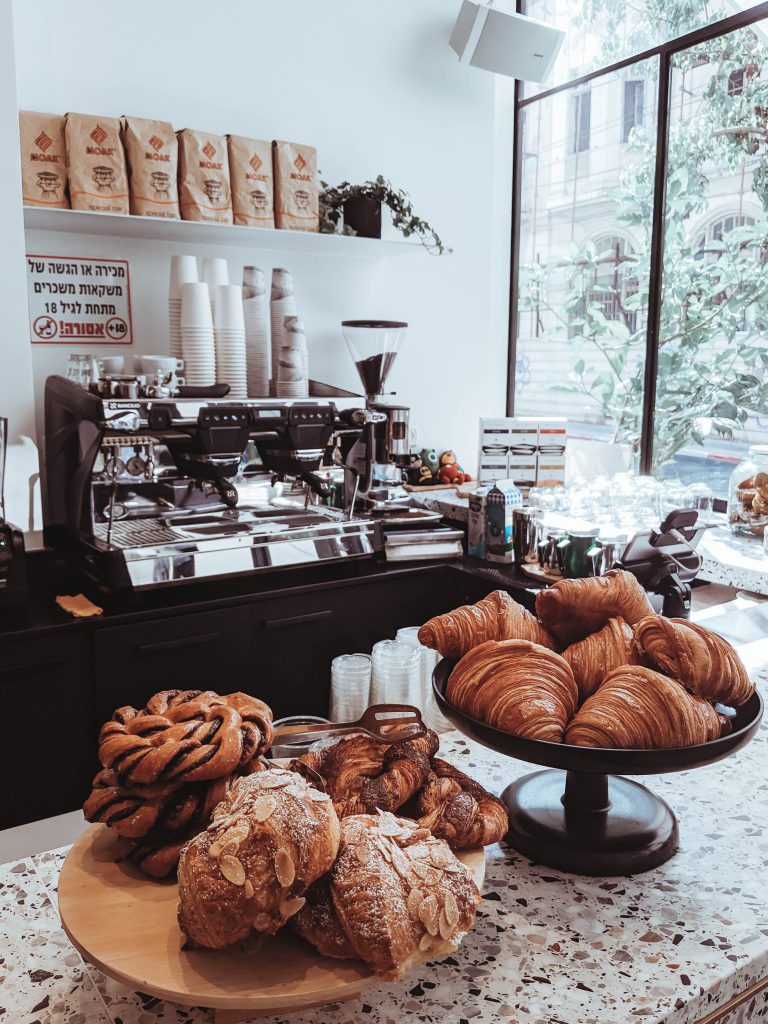
I was very lucky to stay at ISLA Tel Aviv, a newly opened luxury capsule hotel in the centre of town. It introduces the concept of high-end pods in a shared room, each with an electronic adjustable mattress, individual lighting, personal power supply, and a partition blind for privacy. Lockers are available too, plus shared bathrooms with premium complimentary toiletries (there are also a couple of economy double rooms if you want to sleep with your travel partner). There’s a common area with a cafe open to the public that makes amazing coffee, and guests get a complimentary pastry and coffee every morning, even now back home, I miss them. I found ISLA perfect for anyone wanting to go exploring as much as possible while still getting a genuinely good night’s sleep, it’s great for groups or friends, and it’s exactly where I’d go as a solo digital nomad. It shouldn’t be as good as it is for the price, but here we are.
Mid-range: Trieste Neve Tzedek Boutique Suites
A boutique stay right in Neve Tzedek, ten minutes from the Tel Aviv Museum of Art and close to the neighbourhood’s best cafes and shops. A great pick if you want the character of Neve Tzedek within walking distance of Jaffa, Carmel Market, and the beach.
Splurge: Dan Tel Aviv
One of the city’s most iconic hotels, its colourful facade facing straight onto the sea. A member of The Leading Hotels of the World, recently refurbished to a high modern standard, and a genuine seafront position near Gordon Beach. Perfect for a treat trip or honeymoon.


Getting To & Around Tel Aviv
Ben Gurion International Airport (TLV) is the main gateway, served by direct flights from London Heathrow (British Airways, El Al), London Gatwick (EasyJet, Wizz Air), and Manchester, flight time from the UK is approximately 4.5 hours. You can search and compare flight prices on Skyscanner. The train from the airport into Tel Aviv takes 25 minutes and costs around 30 ILS, or a taxi or Gett app ride costs 120–200 ILS depending on traffic and time of day. WelcomePickups is reliable and includes meet-and-greet at arrivals. Note that public transport doesn’t run on Shabbat, you’ll need a taxi or a shared shuttle (Nesher Sherut) instead.
Once you’re in the city, walk, hire a Mobike, or take a bus, download the Moovit app for real-time bus directions, and remember Gett is the main taxi app if you need one. For a Jerusalem day trip, regular trains run from Tel Aviv HaShalom to Jerusalem Yitzhak Navon station in about 30 minutes, book in advance via the Israeli Railways website, or take the frequent Egged 480 bus, around an hour from Tel Aviv Central Bus Station.

How Long to Spend in Tel Aviv
3 nights is the minimum to do Tel Aviv justice, enough for Old Jaffa, the White City, a beach afternoon, a proper market visit, and one big night out. 5–7 nights is ideal if you want to explore multiple neighbourhoods, do a day trip to Jerusalem, and really settle into the rhythm of the city. Tel Aviv is the kind of place that rewards slow travel, the more time you give it, the more it reveals.
Best Time to Visit Tel Aviv
April–May and October–November are the sweet spots for visiting Tel Aviv. The weather is warm but not punishing (25–30°C), the sea is swimmable, and there’s a vibrant energy in the city before or after the intense summer rush.
June to September is high summer, temperatures regularly hit 35°C+ with high humidity. The beaches are at their most buzzing, the nightlife is incredible, and the whole city feels electric, but it’s also extremely hot for sightseeing. Start every day early and retreat to air conditioning by midday.
December to March is the quieter, cooler season. Rain is more frequent, temperatures hover around 15–18°C, and some beach facilities scale back. However, prices drop, crowds thin, and the city’s cultural and food scene is as good as ever. A solid time to visit if you want a more relaxed pace.
Avoid visiting over Yom Kippur (late September/early October) if you need to get around, the entire country essentially shuts down for 25 hours, including transport.
Tel Aviv FAQs
Is Tel Aviv safe to visit?
Yes, Tel Aviv is a very safe city for tourists. The Israeli security situation is closely monitored, and the UK Foreign Office travel advice should always be checked before booking. Within the city itself, Tel Aviv is as safe as any major European capital, and the street crime rate is very low.
Do I need a visa to visit Israel from the UK?
British citizens do not require a visa to enter Israel for stays of up to 90 days. You’ll receive a stamp (or, increasingly, an e-visa) on arrival. Note that evidence of travel to certain other countries can sometimes prompt additional questioning at Israeli border control.
Is Tel Aviv expensive?
Tel Aviv is one of the more expensive cities in the Middle East, comparable to a mid-range European city. Budget travellers can get by on £60–80/day staying in capsule hotels and eating at markets. Mid-range travellers should plan for £120–180/day. Eating out at restaurants and Sarona Market is where costs can mount quickly.
What language is spoken in Tel Aviv?
Hebrew is the official language, but English is very widely spoken throughout Tel Aviv, especially in restaurants, hotels, and tourist areas. You’ll have no trouble getting around without Hebrew.
Is Tel Aviv gay-friendly?
Tel Aviv is widely considered one of the most gay-friendly cities in the world. The LGBT scene is vibrant, open, and extremely welcoming. Tel Aviv hosts one of the biggest Pride events in the Middle East, and the area around Hilton Beach is a well-known gay hub. Same-sex couples will find the city very comfortable and welcoming.
Can you do a day trip to Jerusalem from Tel Aviv?
Absolutely, and I’d strongly recommend it. The train takes about 30 minutes and runs several times an hour (not on Shabbat). Jerusalem and Tel Aviv are very different in character, but complementary, and visiting both gives you a much fuller picture of Israel. Book a guided Jerusalem Old City day tour from Tel Aviv if you’d rather not navigate the Old City’s history and logistics on your own for a first visit.

Enjoyed this article? Support my work by buying me a latte. Otherwise, do me a great favor of leaving a comment and following me on Instagram (@travelwithpau). Feel free to say ‘Hello!’ I don’t bite. And make sure you save the article for later on Pinterest!

This post contains affiliate links. If you click on one and make a purchase, I might make a small commission, at no extra cost to you in order to help support my blog.