
Last Updated on October 2, 2026
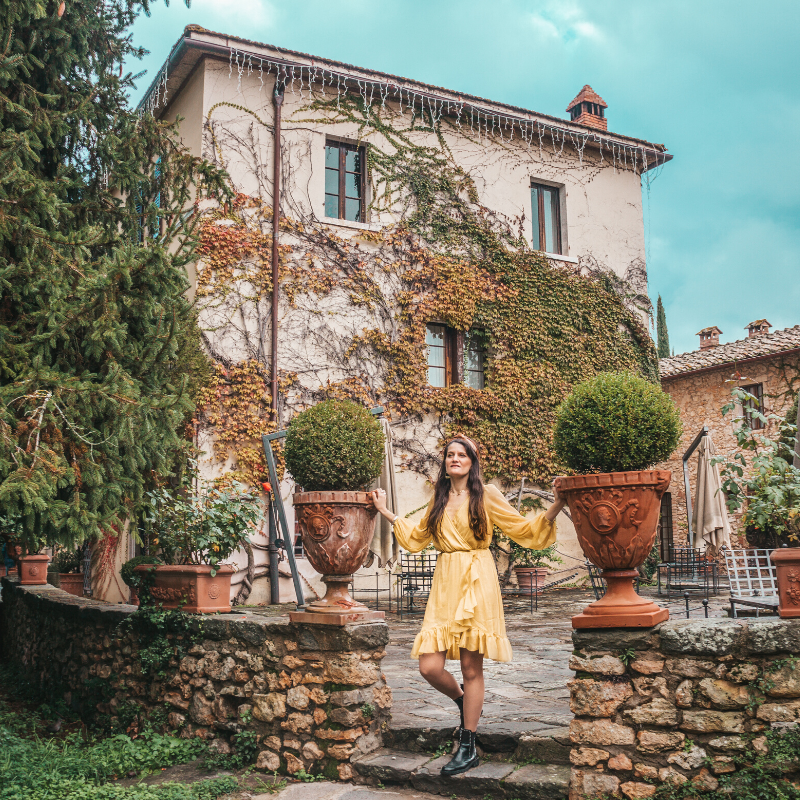
The day finally came when I visited Tuscany. I’d long dreamed of this region after seeing so many films set there, Under the Tuscan Sun, Life is Beautiful, Stealing Beauty, and hearing from everyone how wonderful it is.
This is my full road trip itinerary: 8 days, starting and ending in Rome, with Florence, San Gimignano, Volterra, Siena, and the whole of Val d’Orcia in between. Everything below is what I actually did, where I actually stayed, and where I actually ate.
TUSCANY ROAD TRIP ESSENTIALS
✈️ Getting There / This itinerary works starting from either Rome or Florence. Search flights to Rome or Florence on Skyscanner. If you won’t be picking up or dropping off your rental car straight at the airport, and you’re spending a few days in Florence or Rome first or last, book an airport transfer with WelcomePickups instead of sorting a taxi on arrival or departure.
🚗 Getting Around / As this is a road trip, you’ll need a car. I book through DiscoverCars for all international car hires. Full rental advice and driving tips (ZTL zones, tolls, parking) are below.
🏨 Stay / You’ll be changing hotels most nights on this route, full picks are under each day below. If you only book one thing now, book Podere Benintendi near Volterra, it was one of my favourite stays of the whole trip.
📱 Connect / You’ll need mobile data in Italy, particularly for Google Maps while driving. I always recommend an eSIM, there’s no need for a physical one. I use Holafly, use code TRAVELWITHPAU for 5% off.
🛡️ Get Insured / Things can and do go wrong when you travel. World Nomads offers coverage for over 150 activities as well as emergency medical, lost luggage, trip cancellation and more.
Table of Contents
Getting To and Around Tuscany
The best way to get around Tuscany is by car, there are so many small towns worth visiting that simply aren’t reachable by other transport, which is why I planned this whole trip as a road trip. Book through DiscoverCars, get full insurance, and avoid Goldcar and any other ultra-cheap non-international brands, I’ve heard horror stories from them. I used Alamo and it was perfect, and you’ll be fine with any other well known brand too: Avis, Budget, Europcar, Enterprise, Hertz, National.
Driving in Tuscany, a few practical things to know:
- ZTL zones (Zona a Traffico Limitato): most historic centres, including parts of Florence and Siena, have restricted traffic zones with automatic cameras. Drive into one without a permit and you’ll get a fine posted months later. Park outside the ZTL and walk in, it’s usually a short walk anyway.
- Toll roads: Italy’s autostrade are toll roads, keep cash or a card handy at the booths.
- International Driving Permit: worth getting one before you fly if your licence isn’t an EU one, some rental desks ask for it.
- Parking: book accommodation with parking included where you can (I’ve flagged it below wherever a hotel has it), and generally park on the edge of town centres rather than trying to drive into the middle of anywhere medieval.
Most Tuscany road trip itineraries start from Florence, which makes a lot of logical sense since it’s in Tuscany. But for me, any trip to Italy is an excuse to visit Rome, so I started there instead. If you’d rather start from Florence, this itinerary works exactly the same, just skip the Rome days. Search flights on Skyscanner.
Tuscany Roadtrip Itinerary Day by Day
Day 1: Rome
ROME ESSENTIALS
🎟️ Tours / Here’s some tours and tickets for your day(s) in Rome:
Priority Access Colosseum, Roman Forum & Palatine Tour
Vatican Museums, Sistine Chapel, and Basilica Tour
Borghese Gallery Guided Tour with Tickets
3-in-1 Fettuccine, Ravioli, and Tiramisu Cooking Class
Capitoline Museums Experience with Multimedia Video
🏨 Stay / These are the best rated hotels between Rome and Florence for your first night:
Relais Il Chiostro di Pienza $$$
Palazzo Bandino $$$
Fonteverde Lifestyle & Thermal Retreat $$$
BiancoCancello $$
Hotel Sant’Antonio $$
🍽️ Eat / My top picks for the day:
Dessert: Giolitti
Breakfast/Brunch: Roscioli Caffè Pasticceria
Lunch: Osteria Bonelli
Dinner: Felice a Testaccio
Arrive in Rome in the morning, leave your luggage in storage either at the airport or Termini station, and spend the day exploring. This itinerary includes two full days in Rome, one at the start and one at the end, so if it’s your first time in the city, I’d add two more days onto either end.
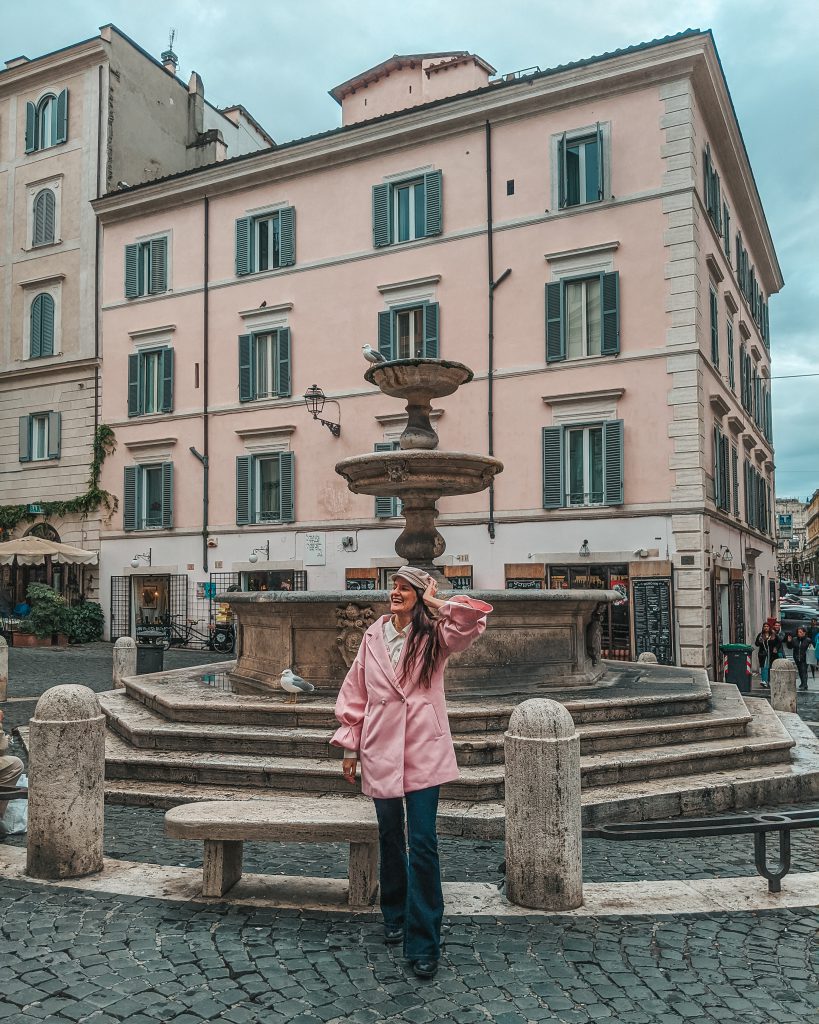
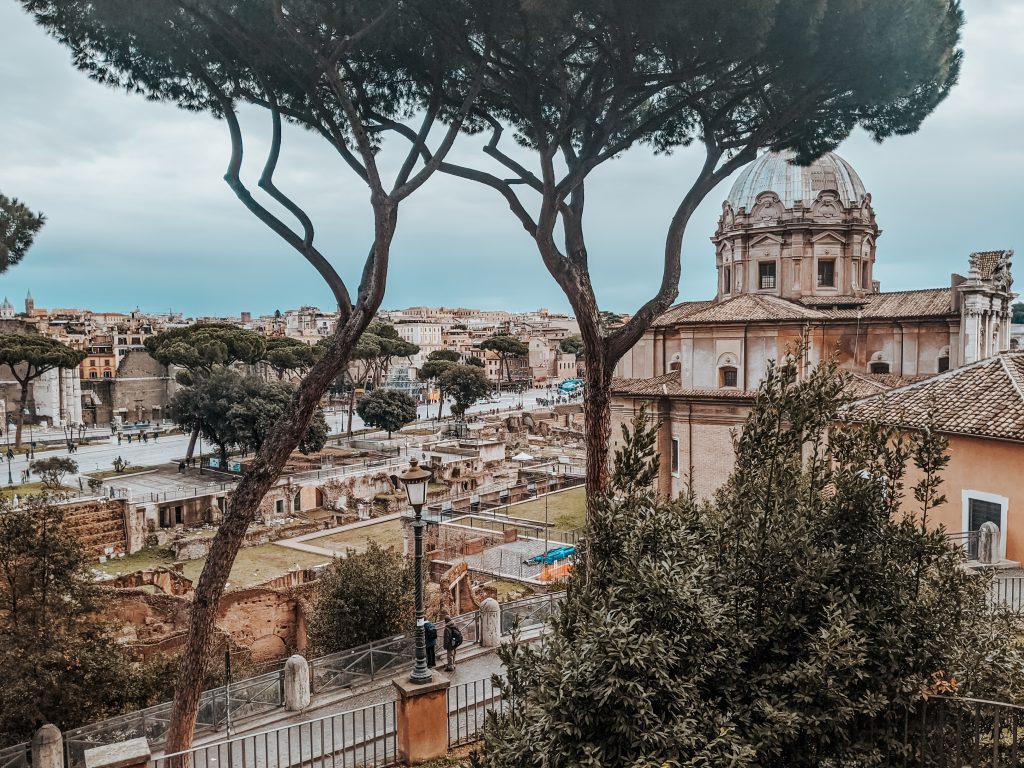
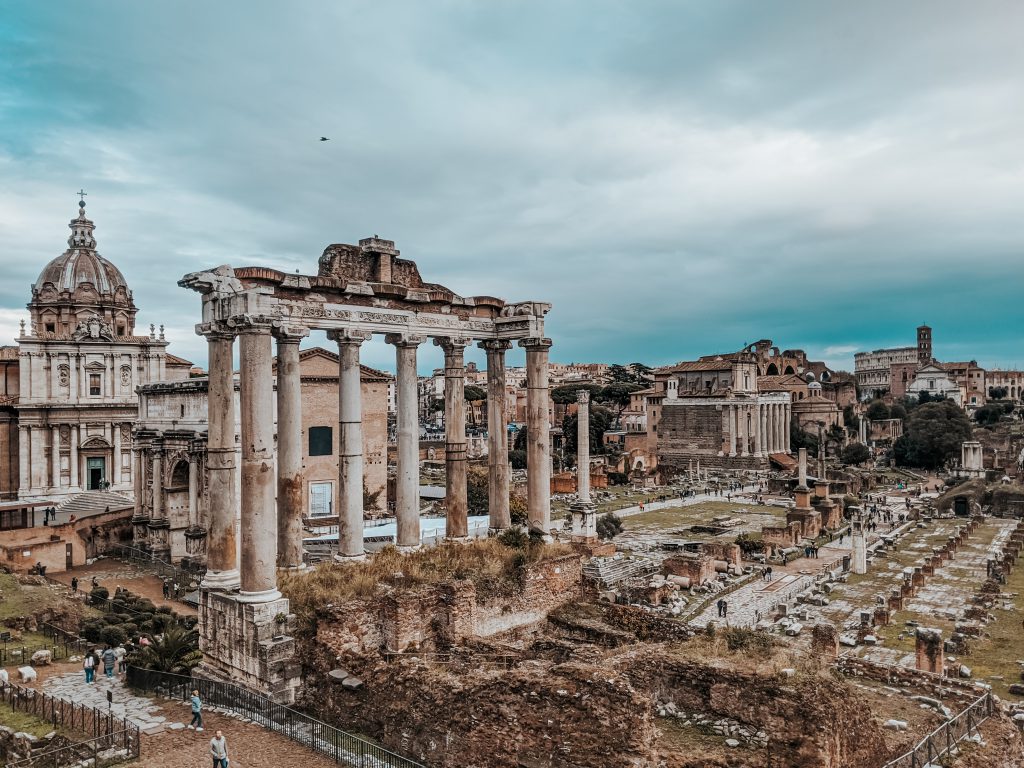
To give you an idea of what I did: I walked from Termini station to the Colosseum, Roman Forum & Palatine Hill, then the Musei Capitolini (Capitoline Museums, includes a tour of the museum). After that I walked down to Piazza Venezia and went inside the Vittorio Emanuele monument for its exhibitions, then wandered the hipster neighbourhood of Monti, its designer market and vintage stores.
You’ll be pressed for time this day, so book museum tickets in advance. Beyond the two above, there’s also the Vatican Museums, Sistine Chapel and Basilica Tour, the Borghese Gallery Guided Tour, and a Fettuccine, Ravioli and Tiramisu Cooking Class if you want to fit one in. Browse other Rome attractions here.
If you only have one of each meal in Rome today, make it these:
- Breakfast/Brunch: Roscioli Caffè Pasticceria, an elegant spot with artisanal pastries and perfectly brewed coffee, a true Roman morning.
- Lunch: Osteria Bonelli, a hidden gem loved by locals for authentic Roman dishes like cacio e pepe and saltimbocca. Affordable, hearty, utterly delicious.
- Dinner: Felice a Testaccio, historic and famous for traditional Roman cuisine and exceptional service.
- Dessert: Giolitti, some of the best gelato in Rome, serving locals and tourists since 1900.
We then picked up the rental car via DiscoverCars from Fiumicino, since my dad was joining the trip and arriving by plane that evening. You could just as easily pick up your rental from the centre of Rome, whatever’s more convenient for you.
This itinerary is built so you spend the next day in Florence, a 3 hour drive from Rome, so it’s worth sleeping somewhere in the middle to cut down the following day’s drive. We stayed at a lovely B&B called BiancoCancello in Sacrofano, which was on the way. It exceeded all of our expectations, but honestly it was too close to Rome, so I’d recommend picking somewhere a bit more towards the middle, or closer to Florence.
Here’s some hotels midway between Rome and Florence, several of them already in Tuscany:
- Hotel Sant’Antonio $$: a rustic hotel near Montepulciano for an authentic Tuscan feel.
- Relais Il Chiostro di Pienza $$$: a charming historic hotel in Pienza with stunning Val d’Orcia views.
- Palazzo Bandino $$$: a luxurious agriturismo in Chianciano Terme with wellness facilities and vineyards.
- Fonteverde Lifestyle & Thermal Retreat $$$: a high-end spa resort in San Casciano dei Bagni with thermal pools.
- BiancoCancello $$: a boutique retreat blending modern luxury and rustic charm.
Day 2: Florence
FLORENCE ESSENTIALS
🎟️ Tours / Here’s some tours and tickets you could book for your day(s) in Florence:
Cathedral & Brunelleschi’s Dome Ticket & Audio App
Entrance Ticket to Pitti Palace
Timed Entrance Ticket to Michelangelo’s David
Skip-the-Line Uffizi Small Group Tour
🏨 Stay / These are the best rated hotels in Florence:
Hotel Brunelleschi $$$
Villa Cora $$$
The St. Regis Florence $$$
Numa Rodo $$
Hotel Pendini $
Hotel Spadai $$
🍽️ Eat / My top recommendations for each meal for the day you’ll be here:
Breakfast/Brunch: Dolce e Dolcezze
Lunch: Mercato Centrale
Dinner: Trattoria Sostanza
Dessert: Gelateria dei Neri
We arrived in Florence in the morning, checked into Numa | Rodo, parked the car in a nearby garage, and started exploring. If it’s your first time in Florence, add an extra day.
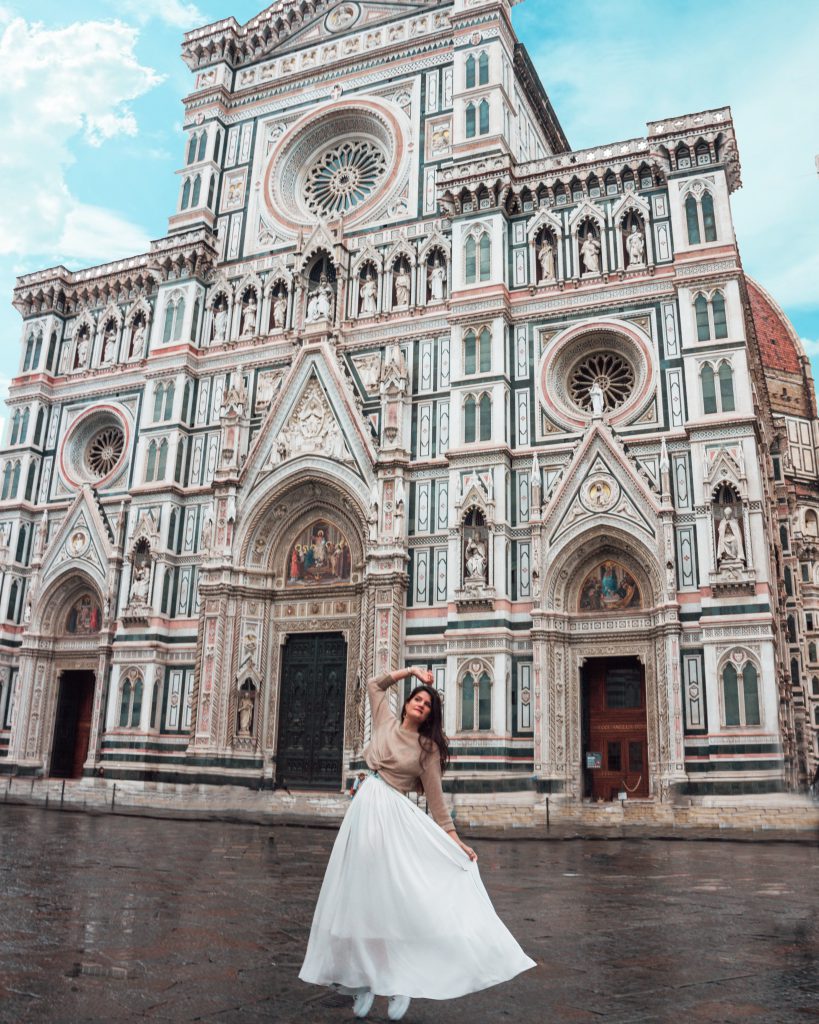
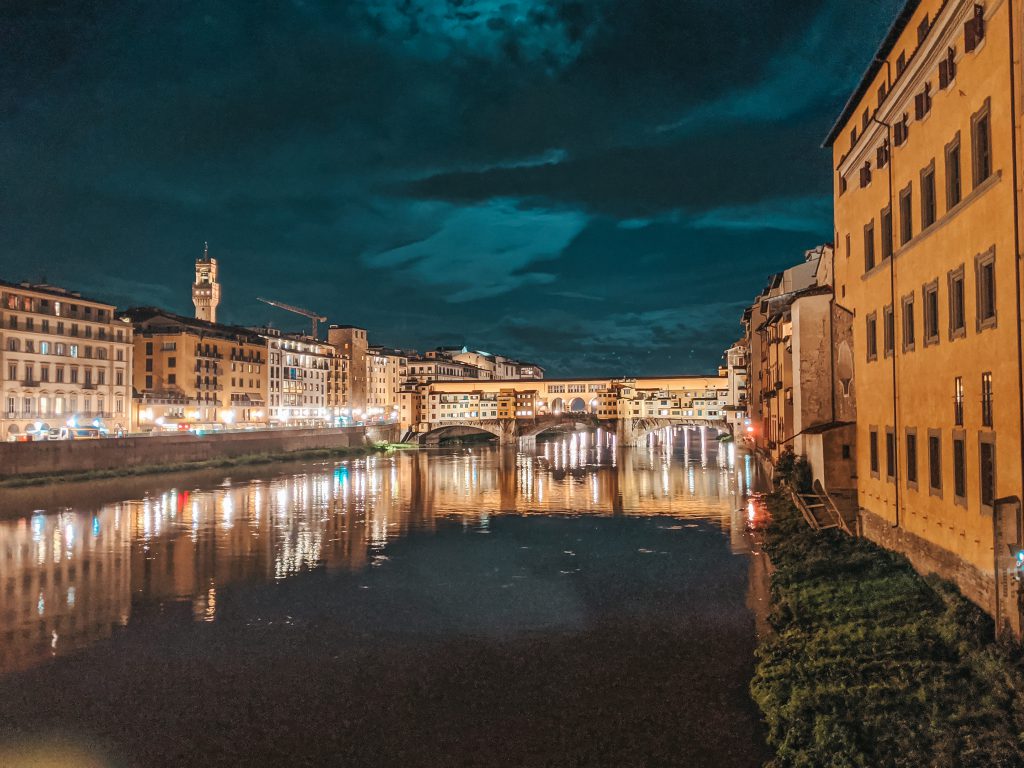
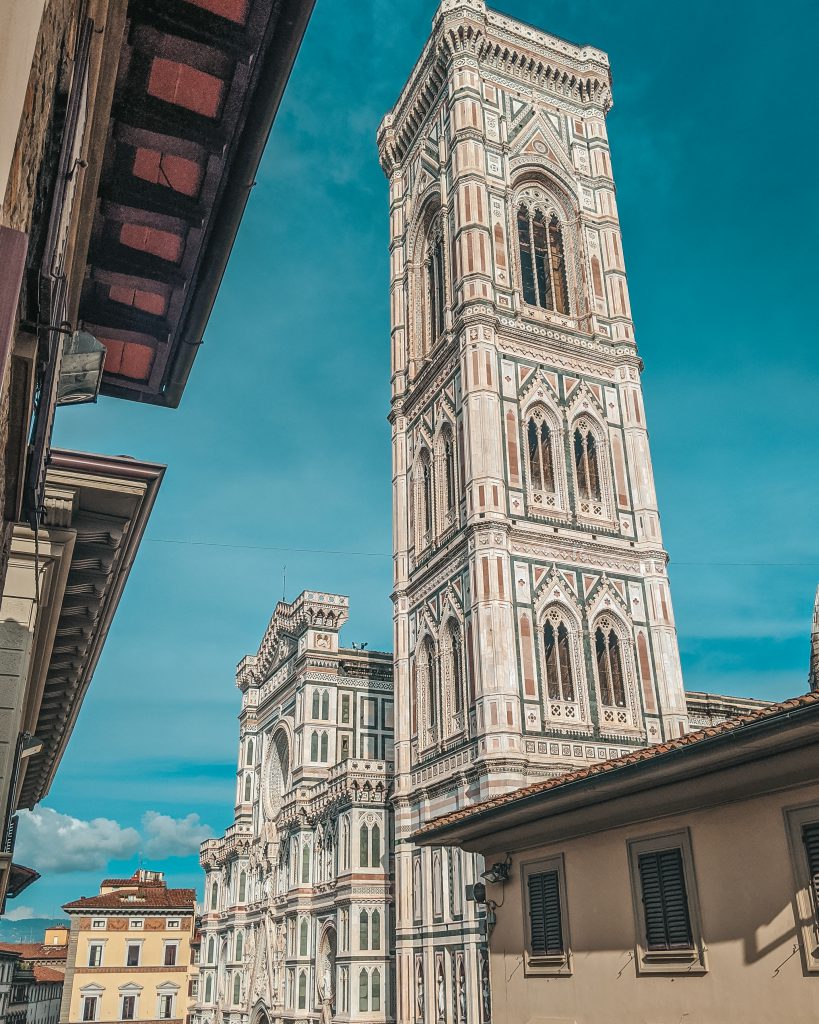
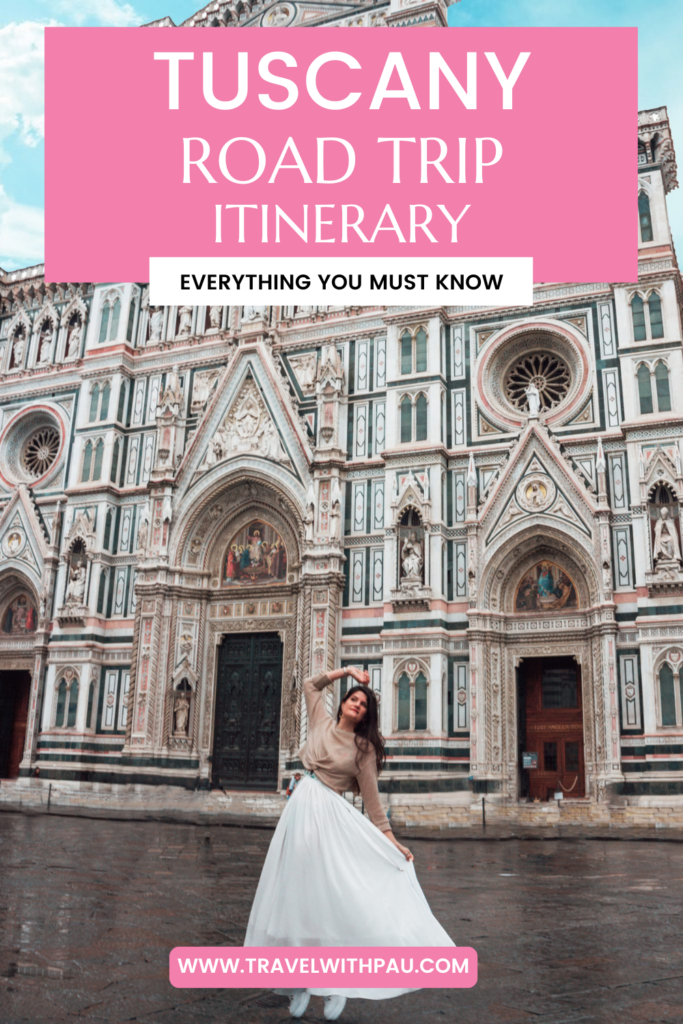
We visited the Duomo (Cathedral of Santa Maria del Fiore), crossed the Ponte Vecchio, then went to Pitti Palace and its Boboli Gardens, followed by a shopping visit to Officina Profumo-Farmaceutica di Santa Maria Novella and the Santa Maria Novella piazza and church. We’d already done the Uffizi Gallery and the Accademia Gallery to see Michelangelo’s David on a previous trip, both are not to be missed if you haven’t. Book tickets in advance: Cathedral & Brunelleschi’s Dome, Pitti Palace entrance, David timed entrance, or a Skip-the-Line Uffizi Small Group Tour.
Where to eat in Florence:
- Breakfast/Brunch: Dolce e Dolcezze, a charming pastry shop with high-quality pastries, cakes and classic Italian coffee.
- Lunch: Mercato Centrale, a central market with a huge range of options for any meal.
- Dinner: Trattoria Sostanza, famed for its Florentine bistecca.
- Dessert: Gelateria dei Neri, some of the best gelato in Florence.
We headed back to Numa | Rodo for the night. We chose it for being metres from the Duomo, very central for a short visit, with a beautiful view of the Duomo itself. Despite the location, the rooms are spacious and tastefully decorated down to the last detail.
If that’s booked or out of budget, other options:
- Hotel Spadai $$: centrally located, modern design, close to the main attractions.
- Hotel Brunelleschi $$$: a luxurious boutique hotel near the Duomo with refined rooms and excellent service.
- Villa Cora $$$: an opulent 19th-century villa with a stunning pool and panoramic views of Florence.
- The St. Regis Florence $$$: overlooking the Arno, exquisite design and impeccable service.
- Hotel Pendini $$: charming, in Piazza della Repubblica, warm and welcoming.
Day 3: San Gimignano and Volterra
SAN GIMIGNANO AND VOLTERRA: SUMMARY
🎟️ Tours / Here’s some tours and tickets you could book either to reach these towns or in them:
From Florence:
Florence: Pisa, Siena, San Gimignano, and Chianti Experience
In San Gimignano:
San Gimignano: Torre Grossa and Duomo Tickets
San Gimignano: Wine and Oil Tasting with Tuscan Appetizers
San Gimignano: Truffle Hunting with Lunch & Wine Tasting
In Volterra:
Volterra: Fresh Pasta Cooking Class at a Tuscan Farmhouse
Tuscany: Volterra Truffle Hunting
Volterra: Pizza Cooking Class in a Tuscan Farmhouse
Volterra: Private Picnic in the Tuscan Countryside
🏨 Stay / These are the best rated hotels in San Gimignano, Volterra & surroundings:
Agriturismo Il Segreto di Pietrafitta $$$
Relais Santa Chiara Hotel $$$
Villa Palagetto $$
Hotel Volterra In $$
Podere Benintendi $$
Hotel San Lino $$
🍽️ Eat / My top recommendations for each meal both for San Gimignano & Volterra:
Siena
Breakfast: Pasticceria Armando e Marcella
Lunch: Cum Quibus Ristorante
Dinner: Ristorante Bel Soggiorno
Volterra
Dinner: Ristorante Enoteca Del Duca
Breakfast: Pasticceria Migliorini
Lunch: Osteria La Pace
We woke up in Florence, said arrivederci to the Duomo, and headed to San Gimignano. If you haven’t heard of it, it’s a small walled medieval hill town known as the Town of Fine Towers, named for the dozen or so preserved tower houses that, with the hilltop setting and encircling walls, make it visibly striking.
The main thing to do here is walk around and appreciate the architecture and shops, try some wild boar salami, eat gelato (I recommend Dondoli in the main square), drink Vernaccia di San Gimignano, visit the Duomo, and climb the Torre Grossa. Buy tickets for the Duomo and Torre Grossa here.
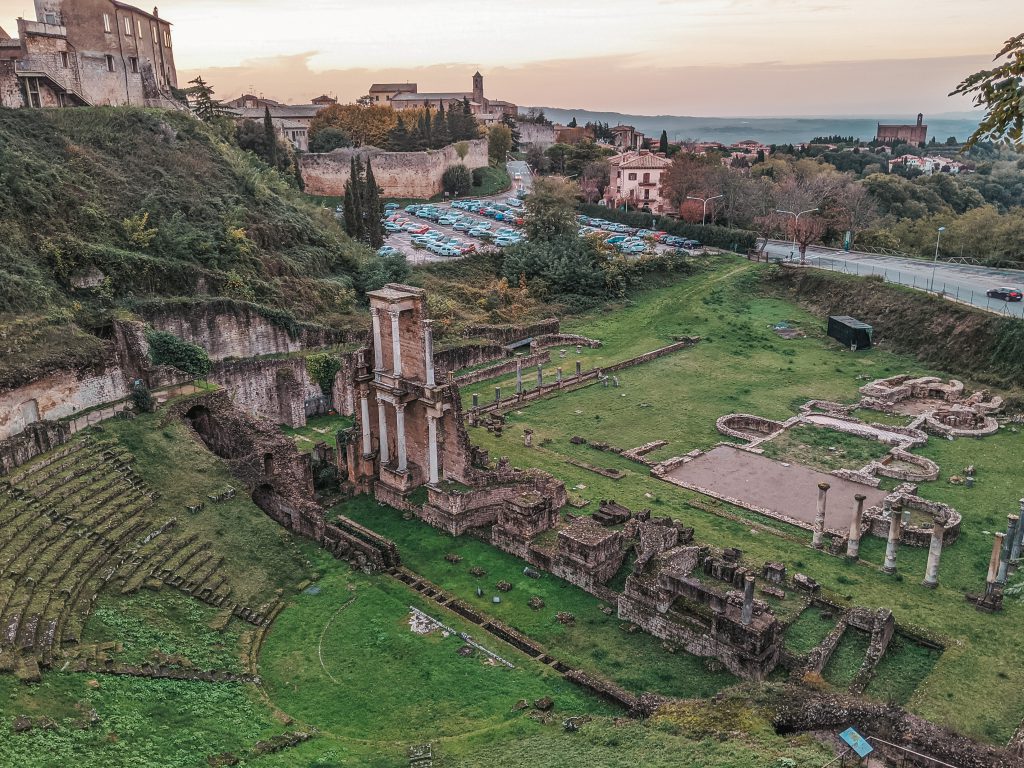
After, we headed to Volterra. When we asked someone in San Gimignano what they thought of it, they said “un paese misterioso”, a mysterious place. It might be because we visited in low season at sundown, but I couldn’t agree more. The town dates back to Etruscan times with Roman and medieval influence layered on top. Visit the Piazza dei Priori and Palazzo dei Priori, the Duomo (Cathedral of Santa Maria Assunta), the Guarnacci Etruscan Museum, the Etruscan Acropolis, the Medicean Fortress and Porta a Selci (you can’t go inside, it’s a working high-security prison, but the architecture is worth seeing from outside), and the Roman Amphitheatre and its surrounding archaeological area. You’ll see items made from alabaster in shop windows everywhere, working with alabaster is an ancient Volterra tradition dating to Etruscan times, good for souvenirs.
A lovely thing to do in either town is truffle hunting or a cooking class: book truffle hunting from San Gimignano or from Volterra, a wine tasting in San Gimignano, a pasta or pizza class in Volterra, or a private picnic in the Tuscan countryside.
Where to eat, San Gimignano:
- Breakfast: Pasticceria Armando e Marcella, freshly baked goods and excellent coffee, a local favourite.
- Lunch: Cum Quibus Ristorante, elegant, Michelin-starred, elevated Tuscan cuisine including truffle pasta.
- Dinner: Ristorante Bel Soggiorno, traditional dishes with panoramic hill views, handmade pasta and bistecca alla Fiorentina.
Where to eat, Volterra:
- Breakfast: Pasticceria Migliorini, stellar reviews, freshly baked croissants and cakes with expertly brewed coffee.
- Lunch: Osteria La Pace, rustic trattoria with hearty Tuscan fare including wild boar dishes and handmade pasta.
- Dinner: Ristorante Enoteca Del Duca, fine dining with a focus on seasonal ingredients, a romantic spot known for guinea fowl and truffle specialities.
After Volterra we headed to our accommodation for the night, Podere Benintendi. This was one of my favourite stays of the whole trip, because it was so unique. It’s close to Certaldo, a medieval hamlet in the Val d’Elsa that’s incredibly charming and worth a few hours, and also where the writer Boccaccio (author of the Decameron) was born.
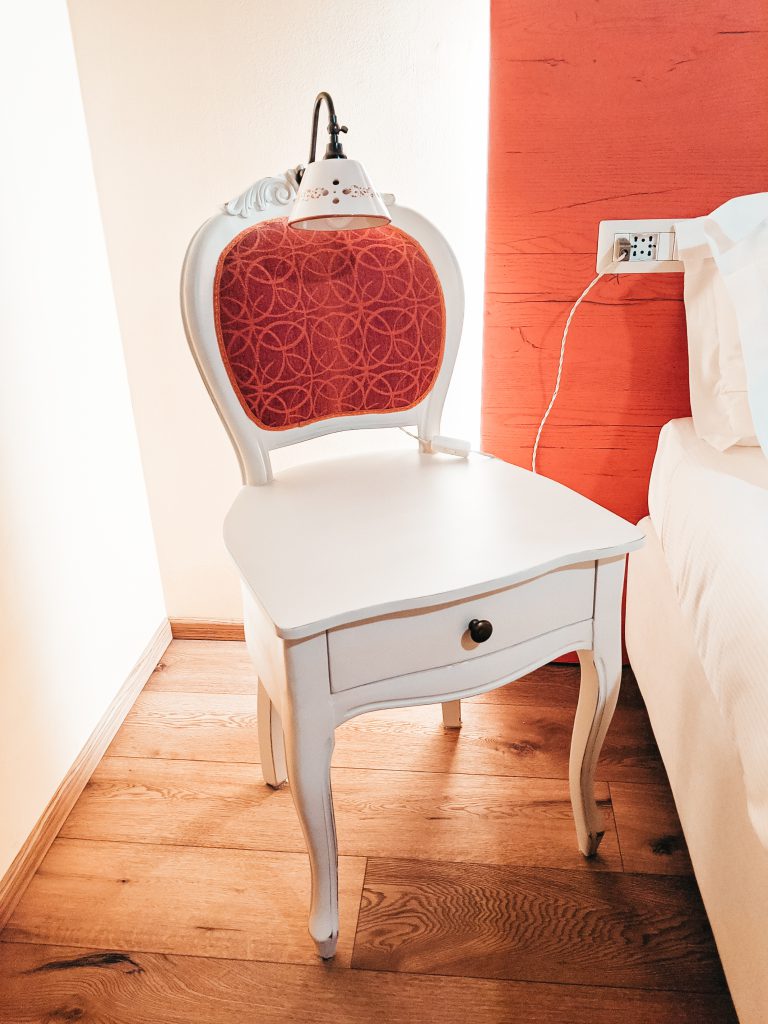
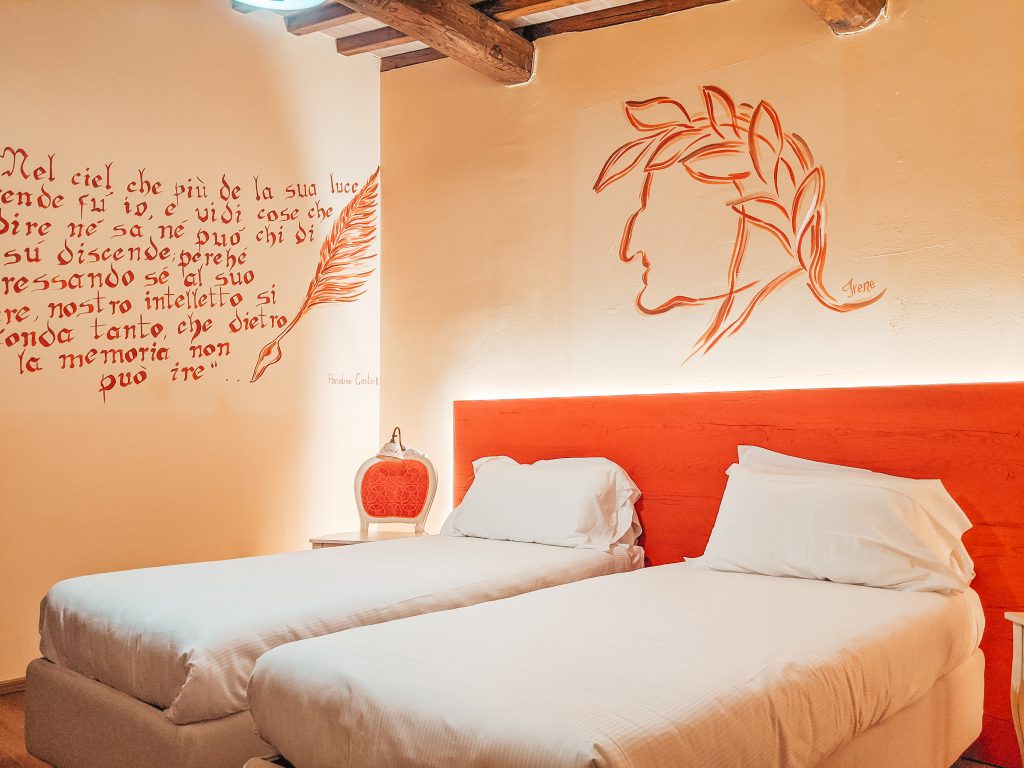
Boccaccio was a huge admirer of Dante Alighieri, and our room at Podere Benintendi was inspired by him. Some of Dante’s books were on display, along with a drawing of his profile on one wall and a quote from his Paradiso on another. The room also had a genuinely unusual chair-nightstand-and-lamp piece of furniture I’d never seen anything like before.
Should Podere Benintendi not be available:
- Hotel San Lino $$: cosy, in Volterra’s medieval centre, modern comforts with historical charm.
- Agriturismo Il Segreto di Pietrafitta $$$: a stunning farmhouse near San Gimignano with an infinity pool and countryside views.
- Relais Santa Chiara Hotel $$$: charming boutique near San Gimignano with a garden and outdoor pool.
- Villa Palagetto $$: rustic agriturismo among olive groves and vineyards near San Gimignano.
- Hotel Volterra In $$: stylish, in Volterra’s historic centre.
Day 4: Siena
SIENA: SUMMARY
🎟️ Tours / Here’s some tours and tickets you might like to book:
Siena Cathedral and Piccolomini Library Entry Ticket
Siena: Walking Tour and Skip-the-Line Duomo Tickets
Siena: Palazzo Pubblico Entry Ticket
Siena: Cathedral Complex Pass with Audio Guide (OPA SI PASS)
Siena: Horseback Adventure in the Tuscan Countryside
Siena: Small Group Cooking Class in Chianti Farmhouse
🏨 Stay / These are the best rated hotels in Siena & surroundings:
Borgo San Luigi $$$
Grand Hotel Continental Siena $$$
Hotel Athena $$$
Palazzo Ravizza $$
Hotel Santa Caterina $$
Hotel Duomo $$
Villa Scacciapensieri $$
🍽️ Eat / My top recommendations for each meal for the day you’ll be here:
Breakfast: Bar Pasticceria Nannini
Lunch: Osteria Boccon del Prete
Dinner: Ristorante Tre Cristi
Dessert: La Vecchia Latteria
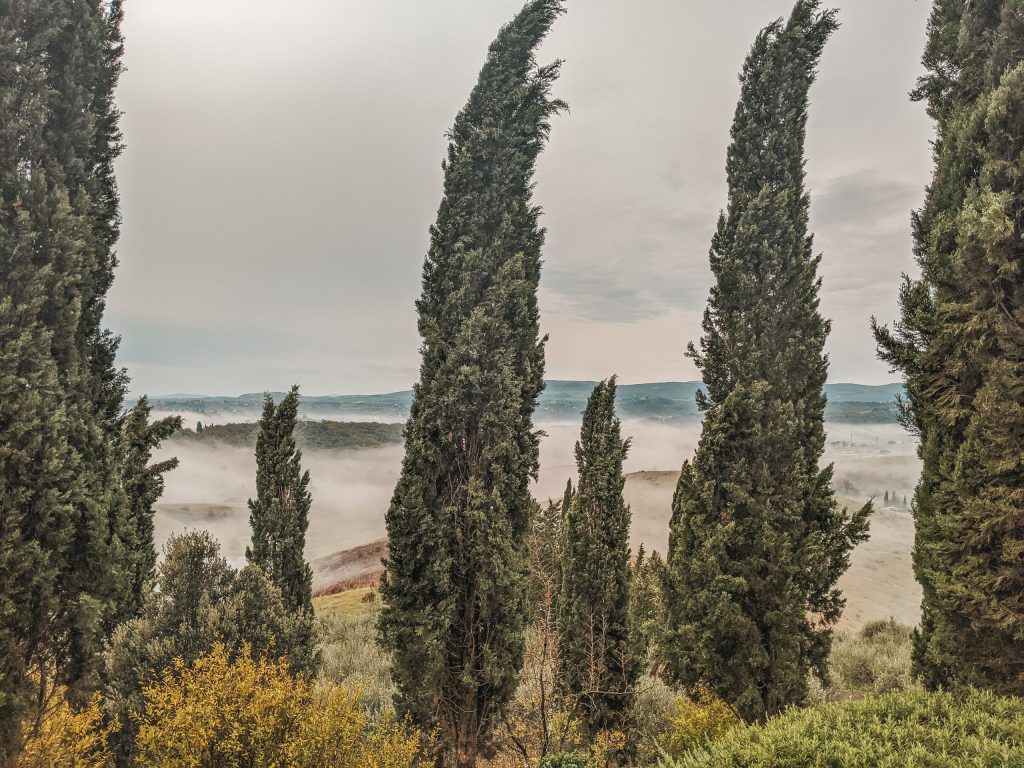
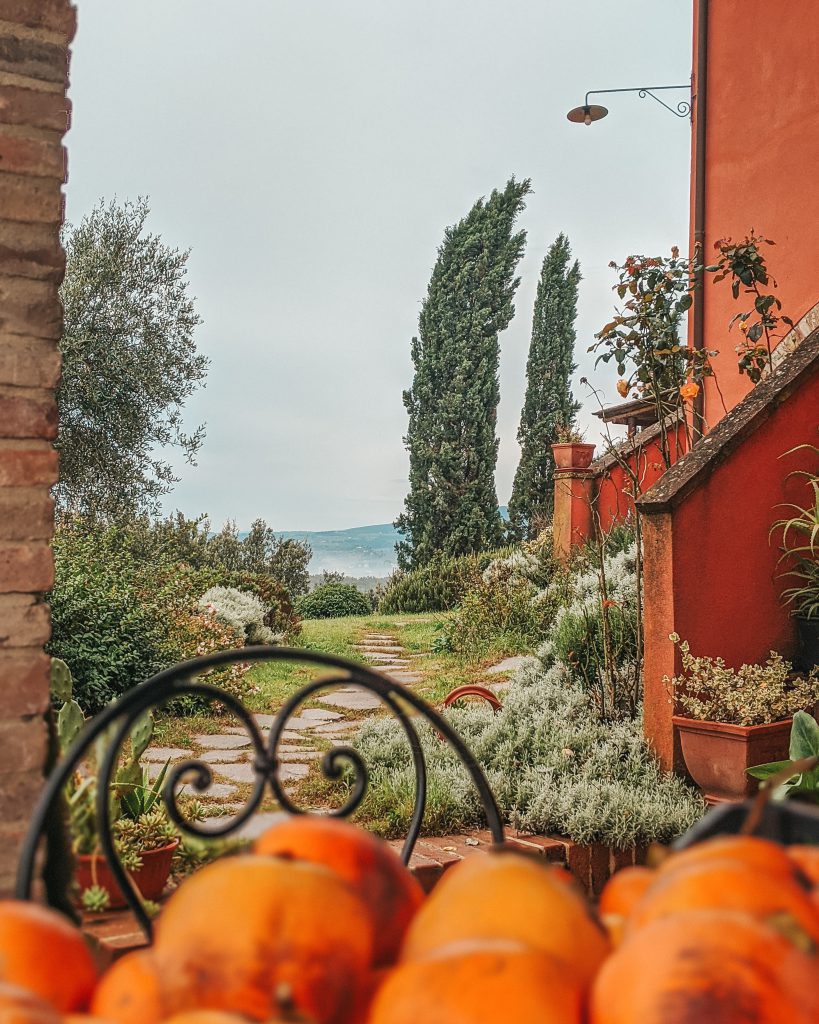
We woke up at Podere Benintendi, peeked through the window, and couldn’t believe our eyes. It’s set at the top of a hill and in that foggy morning, we were sitting above the clouds. The view was unbelievable and I felt so blessed to have experienced it. After documenting that enchanting morning through photos, we had breakfast in the lobby, an extremely complete spread with lots of home-made delicacies. We then spent the morning exploring the estate: a lake, an aromatic herb garden, quaint corners with sculptures dotted around, a pool, a gym, a billiard room, and a shop selling their own branded wine, limoncello, marmalade and olive oil at very competitive prices.
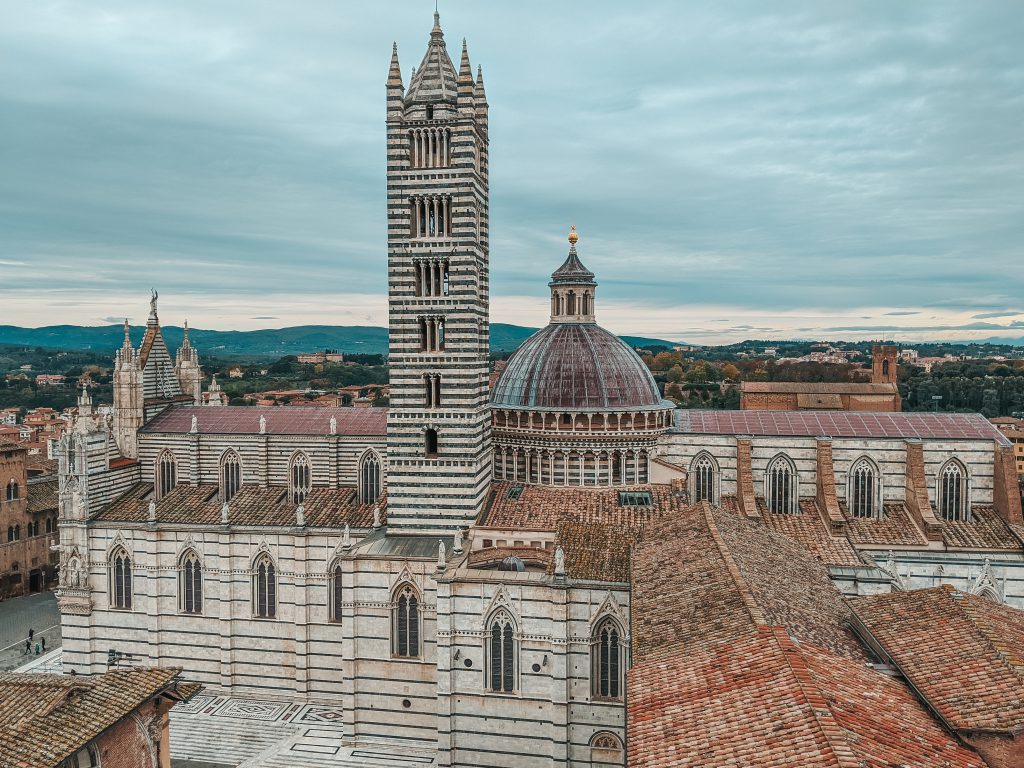
Eventually it was time to leave and head to Siena. We spent most of the day around the Cathedral and its surroundings. You can buy a joint ticket for Siena’s Cathedral, crypt, baptistery, museum, and Piccolomini Library, or opt for a walking tour of the city. Also worth visiting: the Santa Maria della Scala museum, the Torre del Mangia and Palazzo Pubblico, the Piazza del Campo, and the Basilica Cateriniana, where St Catherine’s head is kept. Buy tickets to the Palazzo Pubblico here, a 13th-century building home to wall-to-wall fresco paintings. For something different, try horseback riding or a cooking class.
Where to eat in Siena:
- Breakfast: Bar Pasticceria Nannini, a legendary café, try their ricciarelli (traditional almond cookies) with a cappuccino.
- Lunch: Osteria Boccon del Prete, authentic Tuscan dishes like handmade pici pasta with cacio e pepe or wild boar ragù, near the Duomo.
- Dinner: Ristorante Tre Cristi, refined Tuscan cuisine with a modern twist, exceptional seafood and wine list.
- Dessert: La Vecchia Latteria, authentic Italian gelato, rich and natural, pistachio and hazelnut standouts.
After a full day in Siena, we reached our accommodation for the night, Borgo San Luigi, a luxury hotel set in a 17th-century estate just 5 minutes from the medieval town of Monteriggioni and 25 minutes from Siena by car. Our room had a terrace overlooking the 60,000 sqm estate. In the evening we ate at the in-house restaurant, La Bianca, a short walk from the room, delicious food at very reasonable prices.
Should Borgo San Luigi not be available, other choices for all budgets:
- Grand Hotel Continental Siena $$$: 5-star luxury in Siena’s historic centre with fine dining.
- Hotel Athena $$$: within the city walls, panoramic views, on-site restaurant.
- Palazzo Ravizza $$: historic boutique hotel with a lovely garden and countryside views.
- Hotel Santa Caterina $$: cosy, near Porta Romana, with a peaceful garden.
- Hotel Duomo $$: centrally located, close to Siena’s top attractions.
- Villa Scacciapensieri $$: tranquil, just outside Siena, beautiful grounds and a pool.
Day 5: Val d’Orcia (Chiusure, San Quirico d’Orcia, Montalcino & Monticchiello)
VAL D’ORCIA: SUMMARY
🎟️ Tours / Here’s some tours and tickets you might like to book:
From Rome: Highlights of Tuscany Day Trip with Lunch & Wines
From Florence: Val D’Orcia Tour with Wine Tasting
Montalcino: Brunello Wine Tasting & Lunch in a Tuscan Castle
🏨 Stay / These are the best rated hotels in Val D’Orcia
Il Torrino Monticchiello $$$
Adler Spa Resort Thermae $$$
Castello di Velona Resort $$$
Locanda in Tuscany $$
B&B Daria Monticchiello $$
🍽️ Eat / My top recommendations for each meal for the day you’ll be here:
Lunch: Trattoria Toscana Al Vecchio Forno (San Quirico d’Orcia) / Osteria Osticcio (Montalcino)
Dinner: Ristorante Daria / Osteria La Porta (Monticchiello)
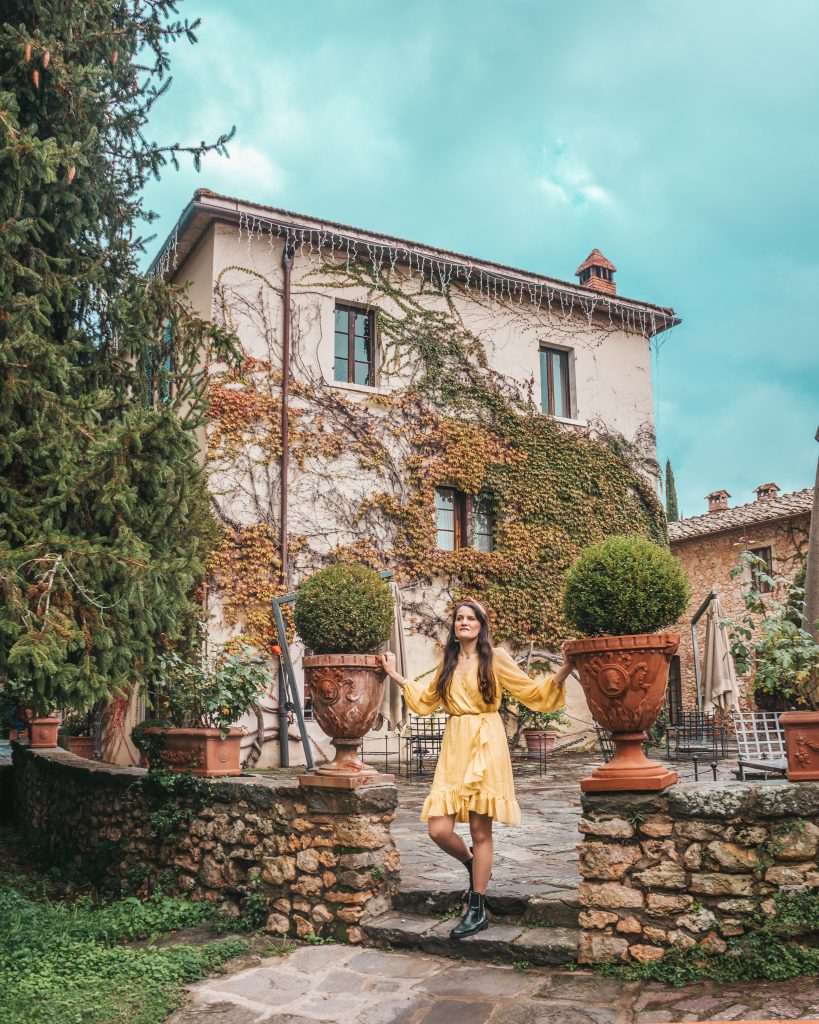
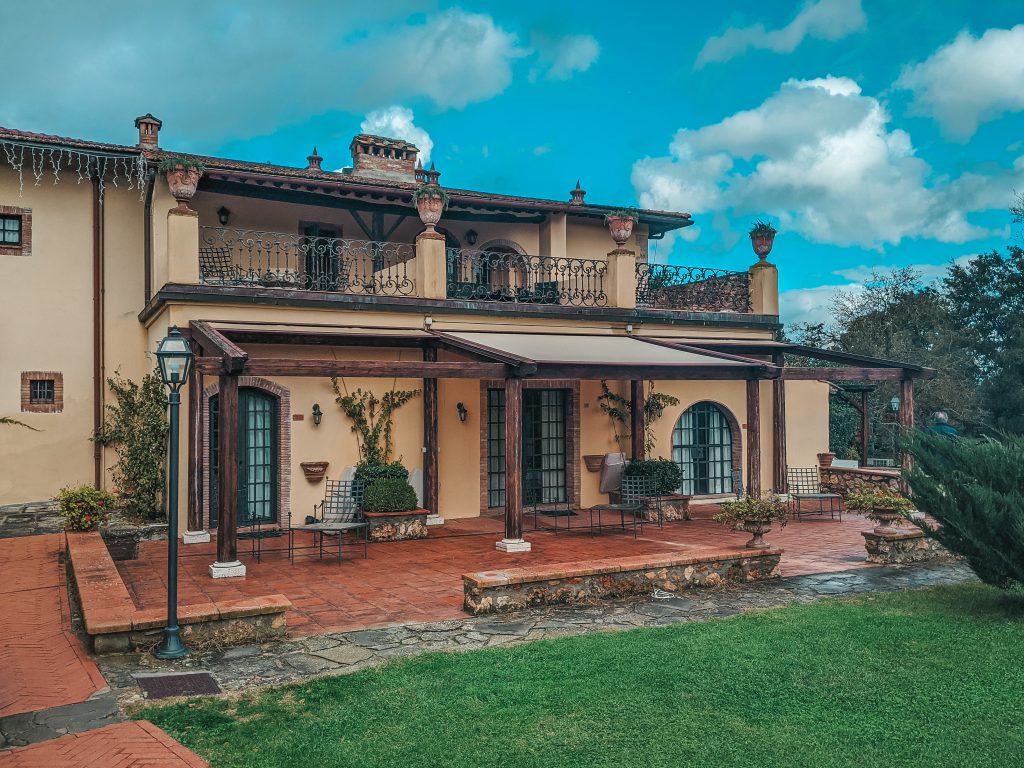
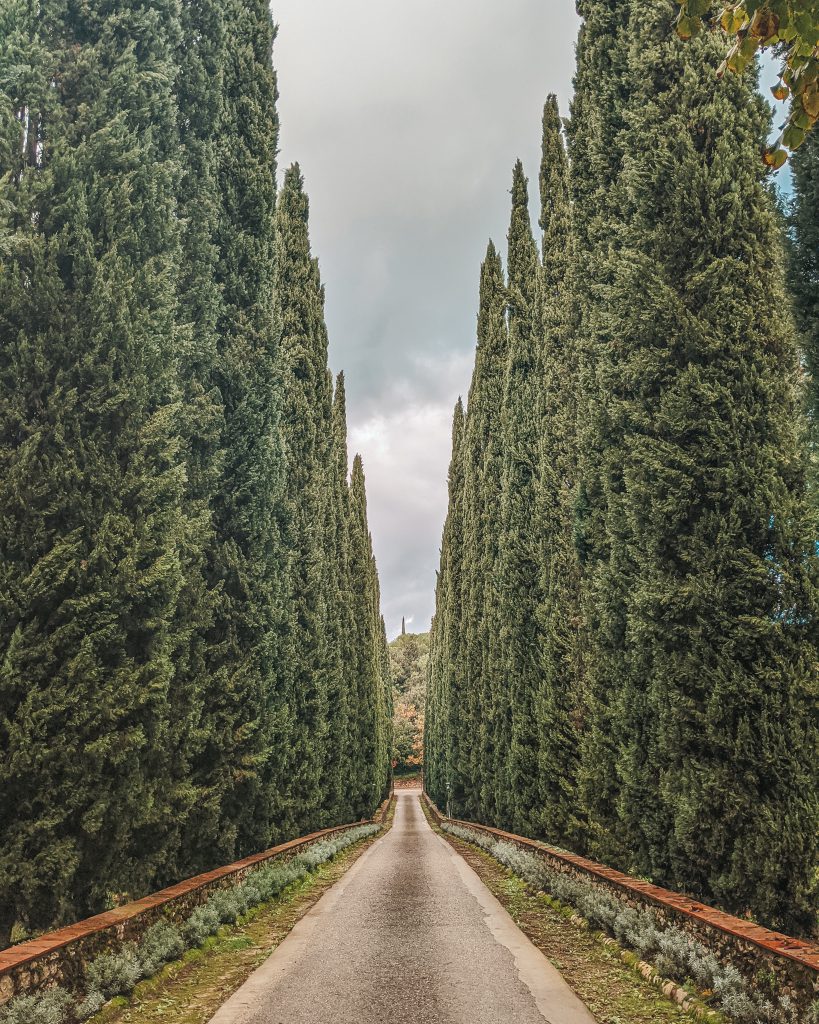
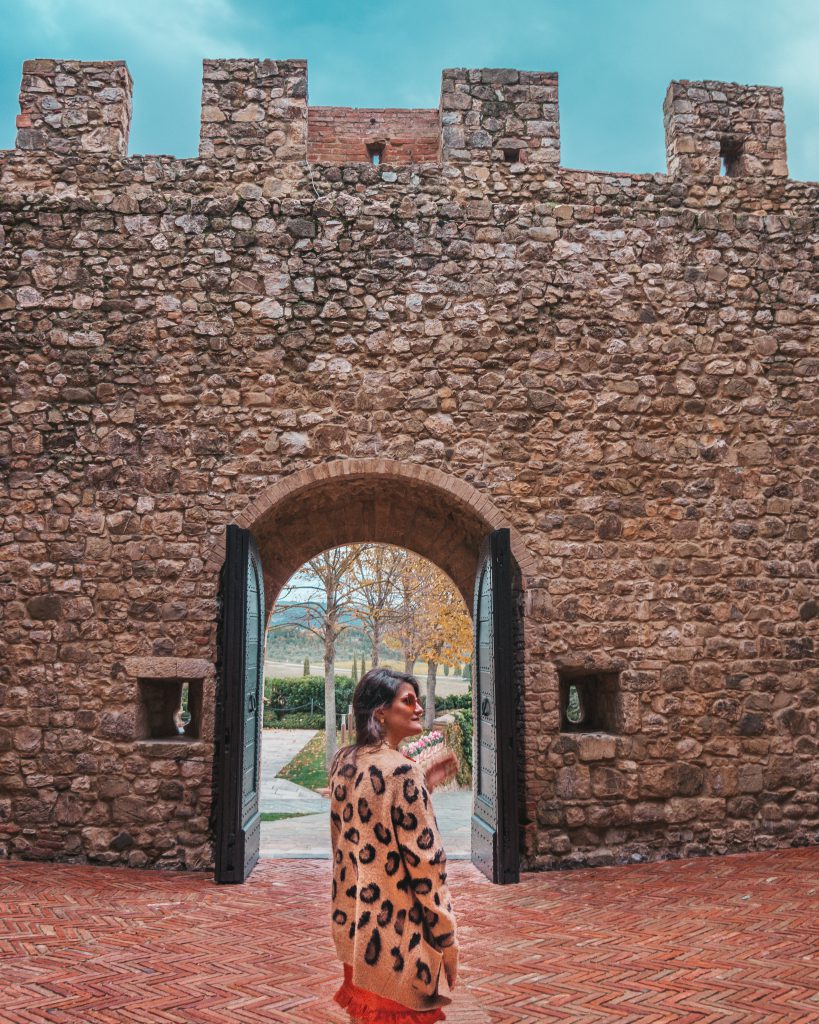
After a wonderful breakfast at Borgo San Luigi, we spent the morning exploring its grounds, the ivy-covered 17th-century buildings, and its impressive cypress-flanked entrance.
We then got back in the car to continue into Val d’Orcia. Our first stop was Chiusure, a small town in Siena’s Crete Senesi. The point wasn’t really the town itself but the views on the drive, meant to be the best in Tuscany, and I’d agree. Most people come to Chiusure for the Abbey of Monte Oliveto Maggiore, an active monastery a few hundred metres up a hill from the village centre, with beautiful frescoes by Luca Signorelli (Michelangelo’s teacher) in the Cloister, plus frescoes by the Sienese painter Antonio Bazzi, known as “Il Sodoma”.
We continued to San Quirico d’Orcia, a walled town with many beautiful churches and an Italian symmetrical garden called Horti di Leonini. Near the town you’ll also find the famous row of cypress trees that appears in every Tuscany photograph, an icon of Val d’Orcia.
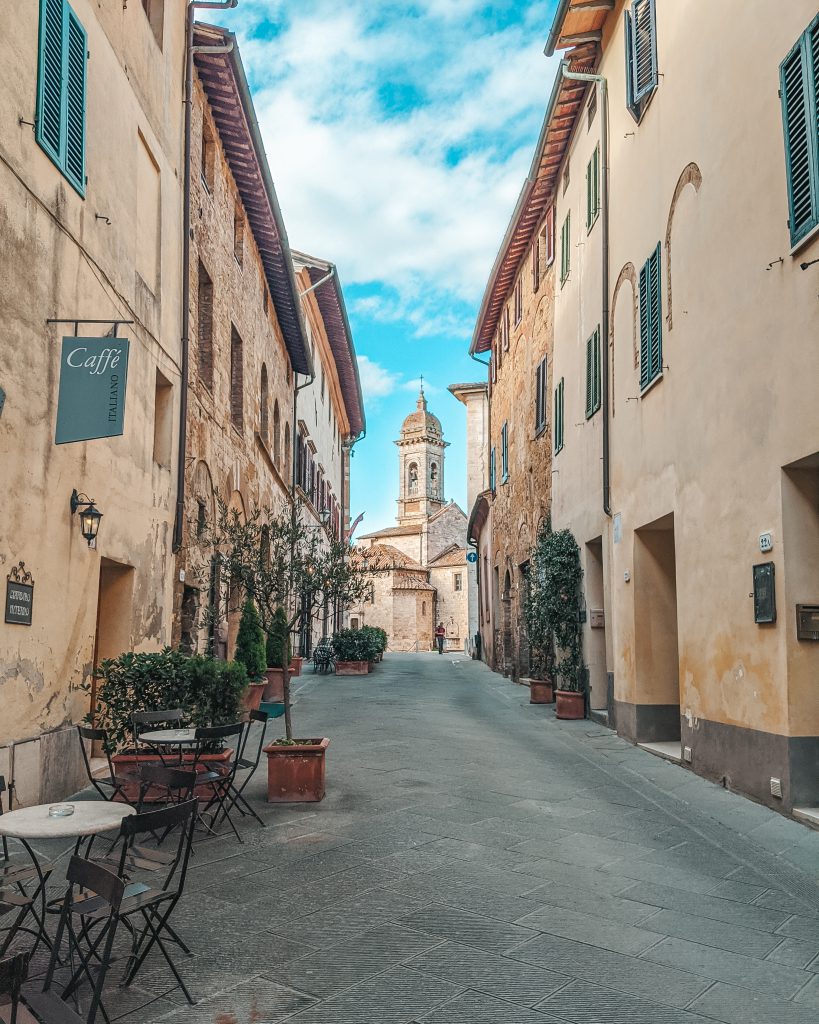
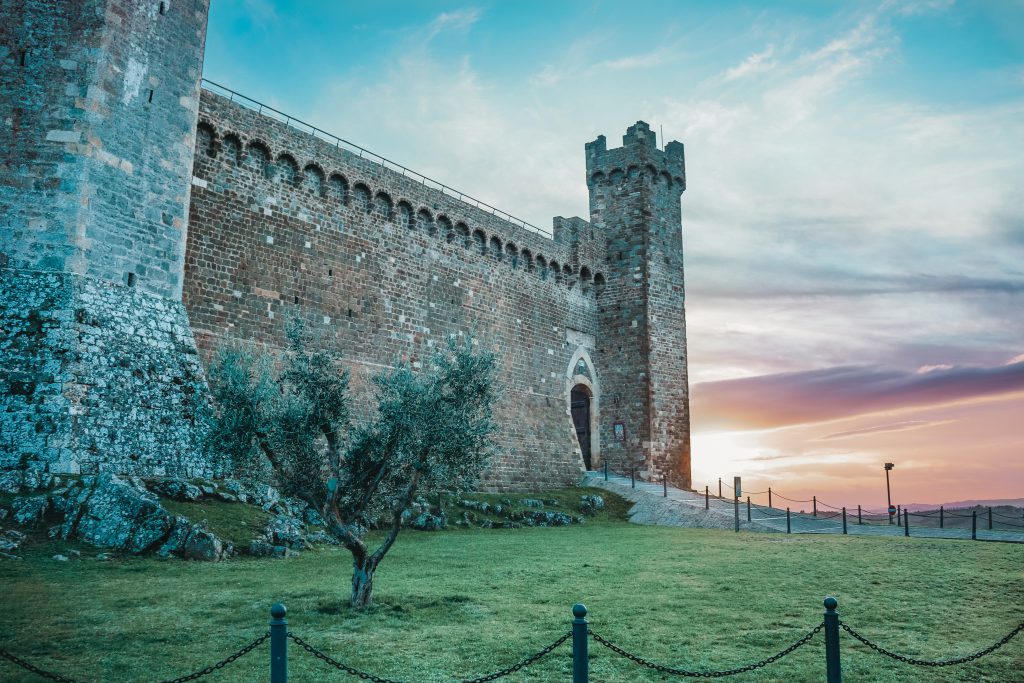
From there, Montalcino, which I’d consider an absolute must. It’s a 14th-century town also in Val d’Orcia, with a military layout, an imposing fortress, and narrow steep streets that give incredible valley views. The Diocesan Museum of Sacred Art holds one of the richest collections of painting and wooden sculpture by the Sienese school. Among the churches, I’d recommend the 14th-century Church of Sant’Agostino, the Neoclassical cathedral, the Sanctuary of the Madonna del Soccorso, and the Church of Sant’Egidio, “of the Sienese”. The town hall is unique too, a slender structure flanked by a tall functioning bell tower. You might also do a wine tasting here (includes lunch).
Montalcino is famous for its wine, particularly Brunello. The surrounding countryside also produces honey, extra-virgin olive oil, meats and cheeses, all worth trying in the local restaurants and wine bars. Nearby, it’s worth visiting the splendid Abbey of Sant’Antimo, a 12th-century structure and one of the best examples of French Romanesque architecture in Italy.
Two options for lunch this day:
- Trattoria Toscana Al Vecchio Forno (San Quirico d’Orcia): authentic Tuscan dishes in a cosy setting, pici all’aglione and slow-cooked meats highly recommended.
- Osteria Osticcio (Montalcino): breathtaking countryside views, exceptional pasta, hearty soups, a stellar Brunello di Montalcino wine selection.
Our last stop of the day, and home for the next two nights, was Monticchiello. It’s a small medieval town of just 200 inhabitants close to Pienza, where time seems to have frozen and tourists mostly haven’t found it yet. We stayed two nights at B&B Daria Monticchiello and used it as a base to explore nearby. With so few tourists, real peace and calm settles in at night, the only sound is silence, or perhaps locals rehearsing for the Teatro Povero, the town’s theatre, written, directed and performed entirely by Monticchiello’s own residents.
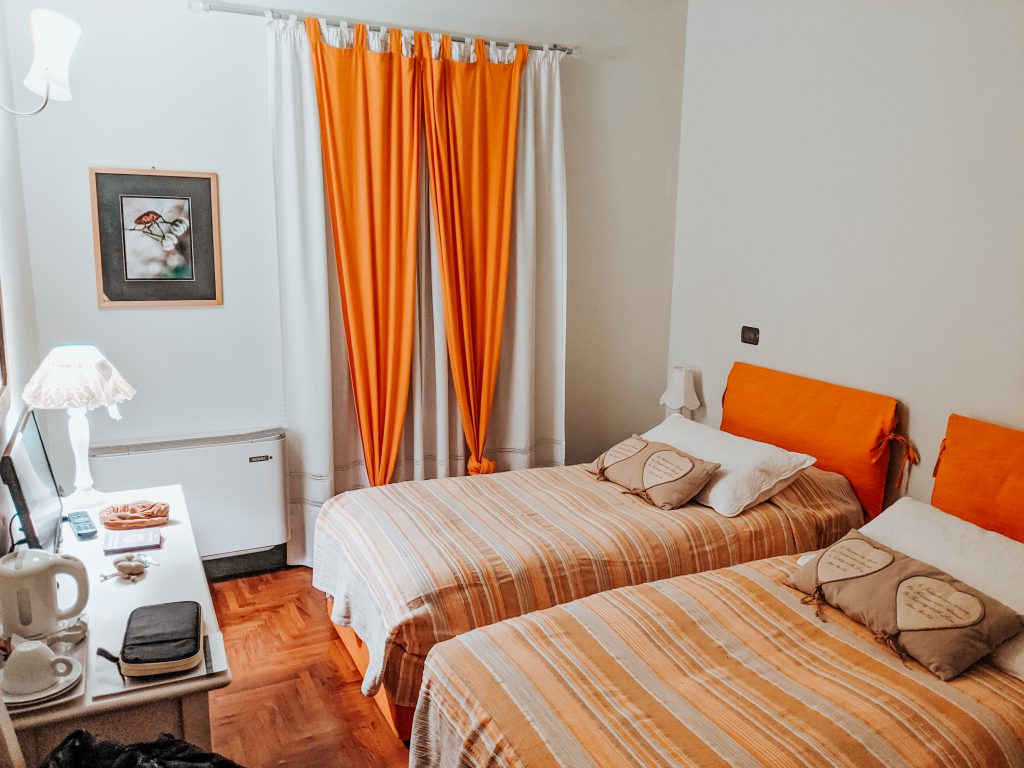
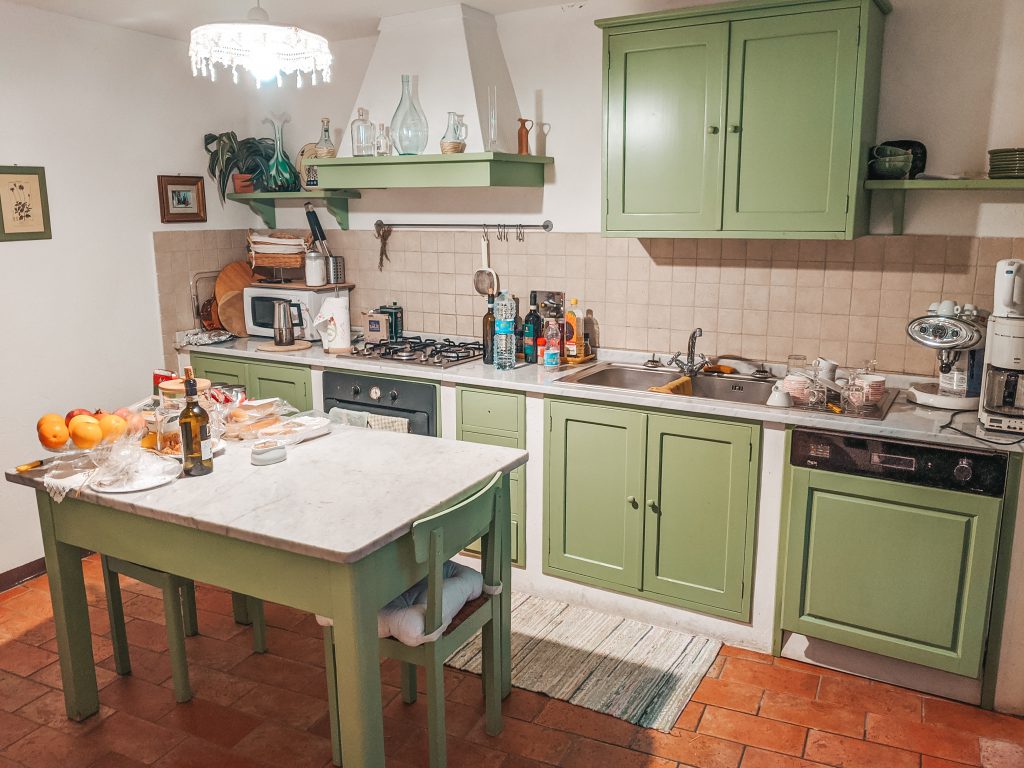
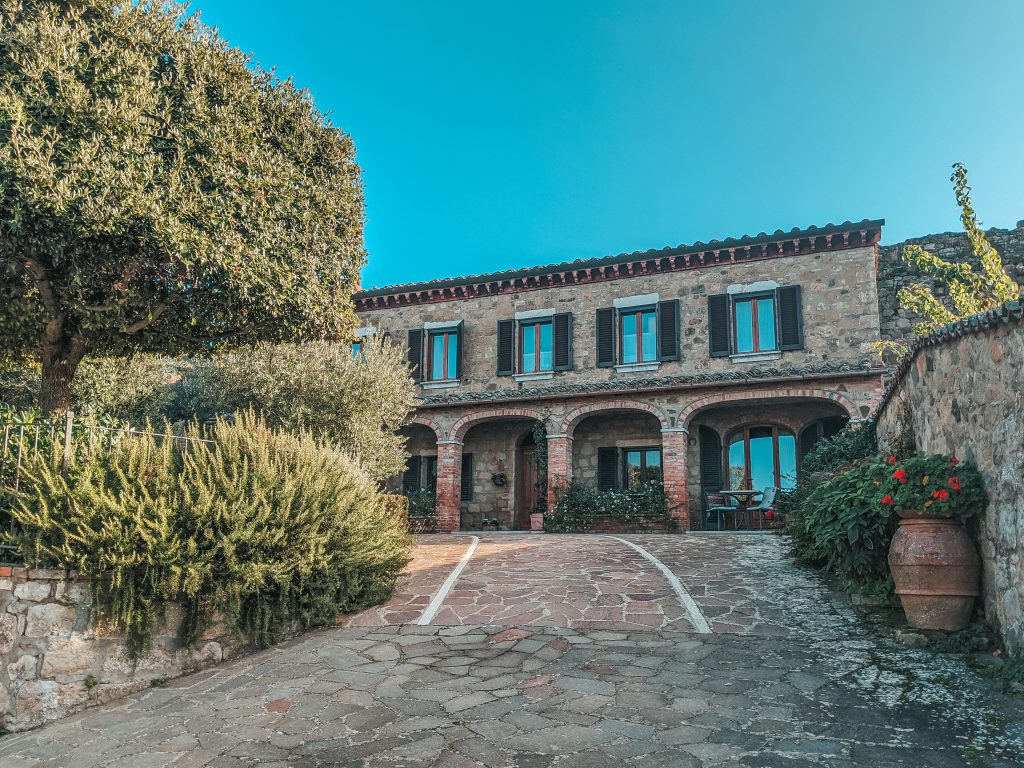
B&B Daria Monticchiello used to be the home of its owner Daria’s family. It dates from 1890 and has been beautifully renovated with lots of pastel colours and thoughtful touches. Our room had a beautiful view of the town, since the property sits at its highest point. The bathroom was spacious with a hydromassage tub and a view of its own. Guests can use the kitchen at any time, with coffee, water and snacks available. In winter there’s a fireplace to relax by, in warmer months the outside terrace. There’s also a hot tub in the garden and free parking on site.
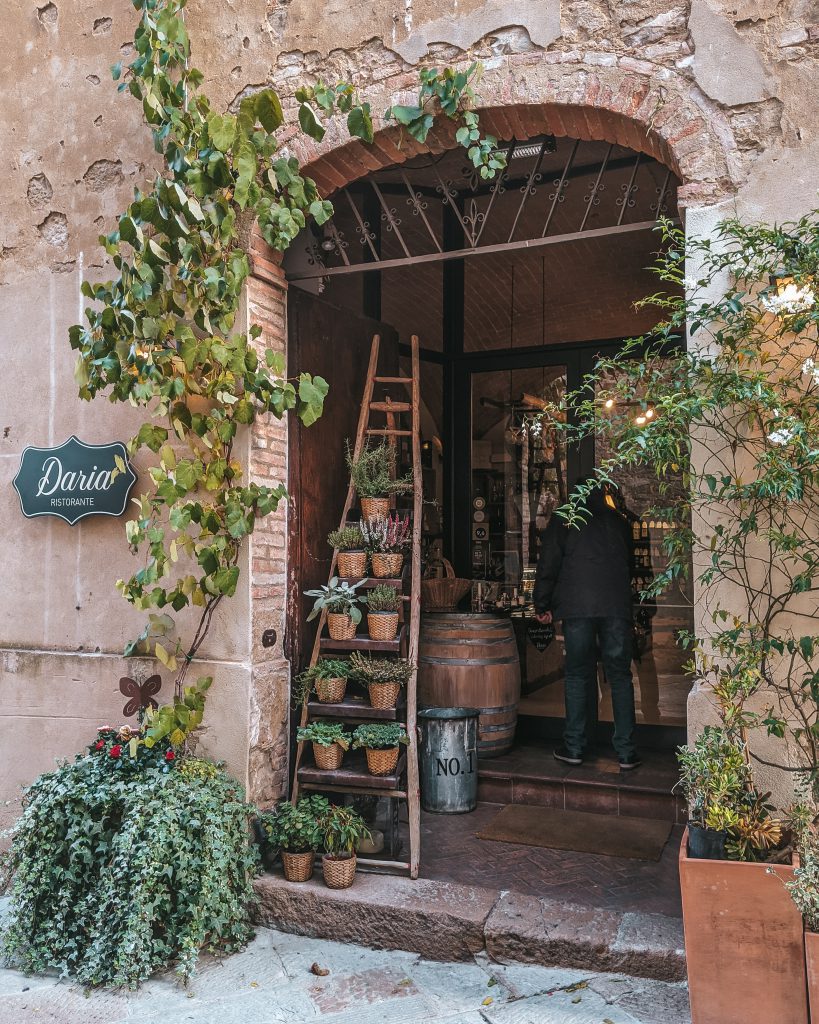
Staying at B&B Daria Monticchiello is probably the less exciting part of Daria’s ventures, since she also owns Ristorante Daria, one of the best restaurants I’ve been to in Tuscany, and not just in my opinion: The Telegraph and Goop rate it highly too. This is where breakfast is served if you’re staying at the B&B, and where I’d encourage everyone to have dinner. It’s beautifully decorated and the food is good enough to compete with the best restaurants in my home city, London. Daria is an absolute rockstar, kind and chic, and clearly a strong, busy woman running the show.
On the days Ristorante Daria is closed, Osteria La Porta is also surprisingly good, apparently it used to be owned by Daria too.
Should B&B Daria Monticchiello be booked out, try these next:
- Locanda in Tuscany $$: traditional decor, gourmet dining, a relaxing pool with stunning scenery.
- Il Torrino Monticchiello $$$: charming and luxurious, inside a tower, with stunning views.
- Adler Spa Resort Thermae $$$: a wellness retreat with natural thermal pools and a full-service spa.
- Castello di Velona Resort $$$: a 5-star resort inside a medieval castle, world-class spa, thermal pools.
Day 6: Castelo Banfi, Pienza & Monticchiello
CASTELO BANFI & PIENZA: SUMMARY
🎟️ Tours / Here’s some tours and tickets you might like to book:
Castelo Banfi Winery Tour
Pienza: Typical Gourmet Lunch at Ancient Tuscan Farmhouse
🏨 Stay / I didn’t stay overnight here myself, but if your trip allows it, Castello Banfi’s Il Borgo is out of a Tuscan dream, book it.
🍽️ Eat / My top recommendations for each meal for the day you’ll be here:
Lunch: Castello Banfi
Dinner: Trattoria La Buca delle Fate (Pienza)
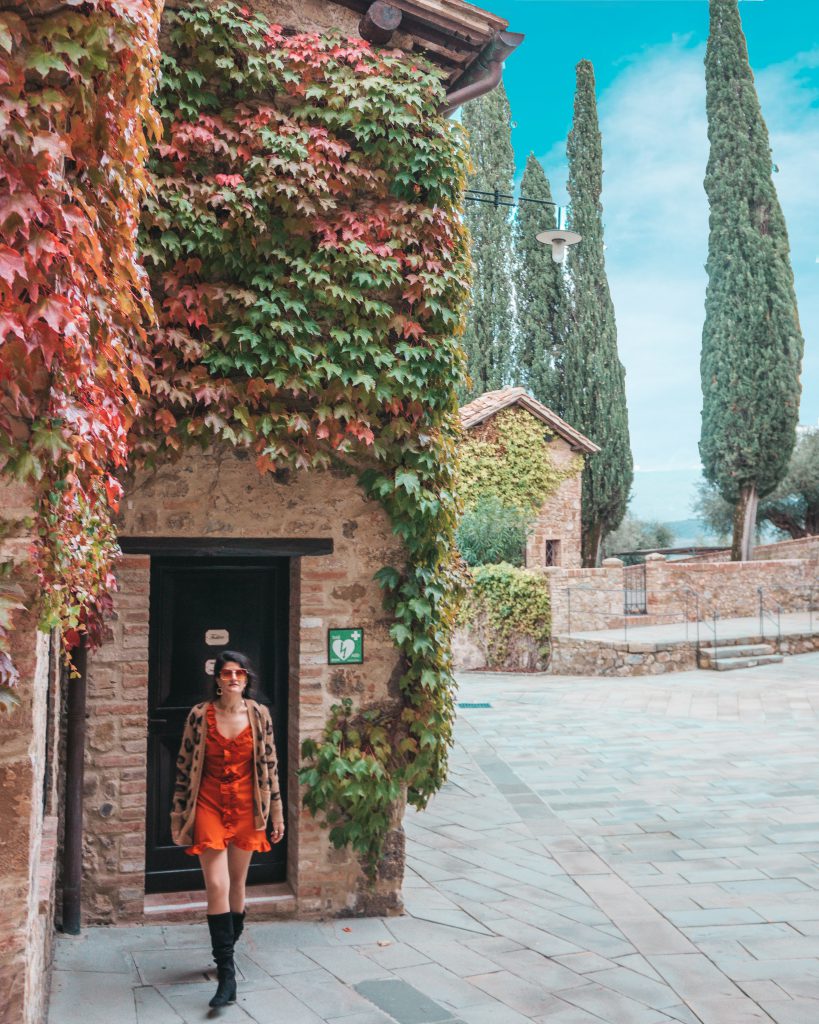
We woke up at B&B Daria Monticchiello and had breakfast at Ristorante Daria, everything’s made to order rather than a buffet. Then we left for Castello Banfi.
If you’re a wine lover, Castello Banfi may ring a bell. It’s one of the largest wine producers in Italy and Europe, with over 3,000 hectares of land. The Mariani family, who own it, first bought the land and later the Poggio Alle Mura medieval castle, which traces back to the Etruscans with parts dating to the Middle Ages. Today it’s a hotel, enoteca and restaurant.
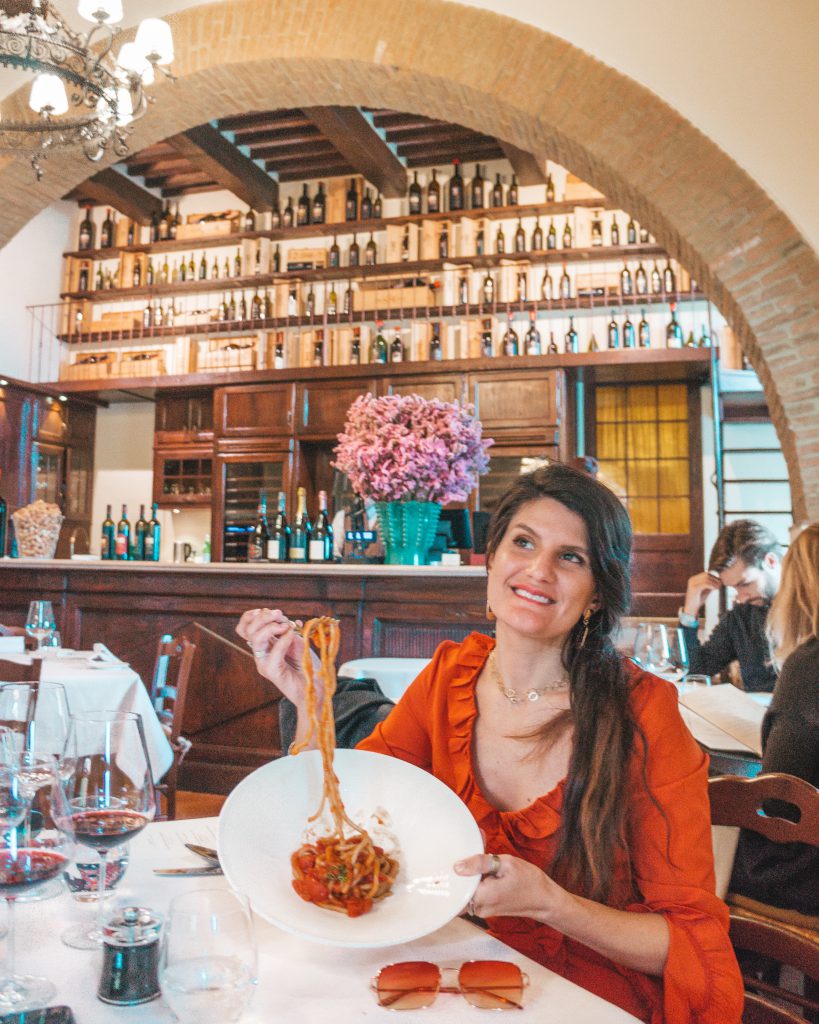
We took the winery tour and a 5-course wine-paired lunch at their restaurant, La Taverna. I really enjoyed it. I’ve done wine tours in Bordeaux, France and the Douro, Portugal, and this was completely different, mainly because of the unique process behind Brunello di Montalcino DOCG, and the sheer scale of the winery. It was fascinating to see how much technology is built into the wine-making process. The 5-course paired lunch was marvellous: fantastic Rosso and Brunello di Montalcino among others, five-star quality food, and they even made a full vegan version of the menu with a great mix of complex and simple dishes, all with a Tuscan touch. Come hungry, you’ll be eating and drinking a lot.
I didn’t actually stay overnight at Castello Banfi, frankly I was tired of changing hotels every night by this point, so I based myself in Val d’Orcia for two nights at B&B Daria Monticchiello instead. I don’t regret that choice, but I’d have loved to stay at Castello Banfi’s estate too, it’s straight out of a Tuscan dream. If your trip allows one night here, don’t hang around, book it. You won’t regret it.
After our big lunch, full bellies and all, we headed to Pienza, which we hadn’t had the chance to visit yet. It’s another tiny hilltop village in Val d’Orcia with extraordinary views. Pienza is known as the “ideal city of the Renaissance”, a creation of the humanist Enea Silvio Piccolomini, later Pope Pius II, who shaped it into his idea of the Utopian city. He hired architect Bernardo “il Rossellino”, who completed the Cathedral, the Piccolomini Palace, the Town Hall, and the central square where they all stand, the square is a must-visit. Also worth seeing: the Pieve di Corsignano, a Romanesque church dating from the 7th century (with 12th-century additions). Pienza is also the city of cacio, cheese, and the Pecorino di Pienza is a world-renowned sheep’s milk cheese that makes a perfect souvenir. If you skip Castello Banfi, you could have lunch in Pienza at a Tuscan farmhouse instead.
Where to eat this day:
- Lunch: Castello Banfi, La Taverna, as above.
- Dinner: Trattoria La Buca delle Fate (Pienza).
Days 7 & 8: Rome
ROME ESSENTIALS
🎟️ Tours / Here’s some other tours and tickets you might like to book:
Castel Sant’Angelo Skip-the-Line Entry & Optional Audioguide
Rome: Trastevere or Jewish Quarter Street Food Tour
Rome: Hop-On Hop-Off Panoramic Open Bus Ticket
🏨 Stay / This is where I stayed this time: Suites Giulia, in Rione Regola.
🍽️ Eat / My top picks for the day:
Breakfast: Santi Sebastiano e Valentino (Monti district)
Lunch: Bha Ghetto Milky (Jewish Ghetto)
Dinner: Alfredo alla Scrofa (Via della Scrofa) or Pierluigi (Campo de’ Fiori)
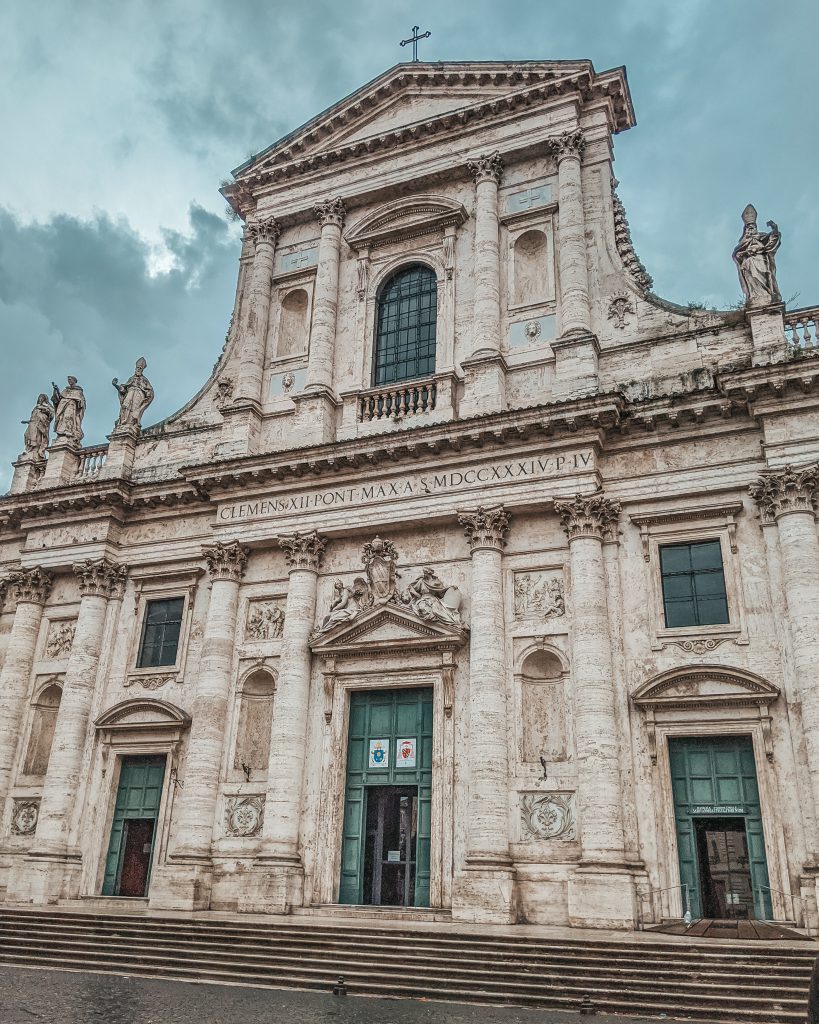
Our Tuscany road trip had come to an end, and it was time to return to the Eternal City. We woke up at B&B Daria Monticchiello, said goodbye to a town that had rewarded us so much over the last two days, and hit the road.
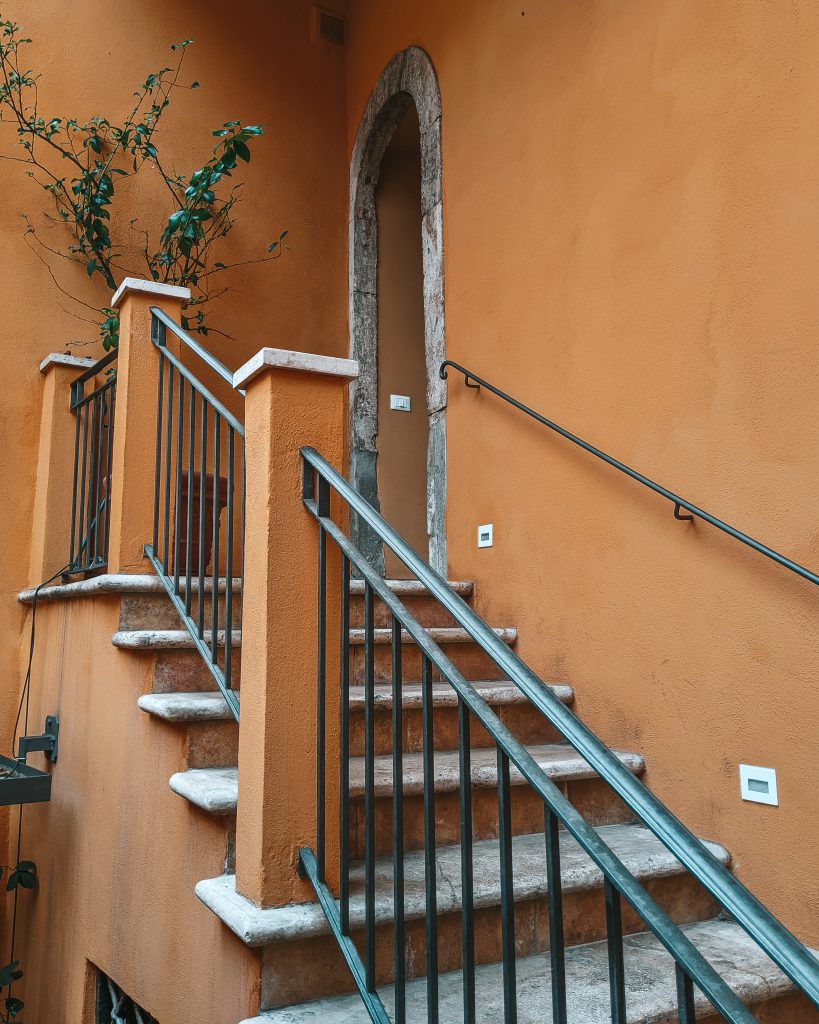
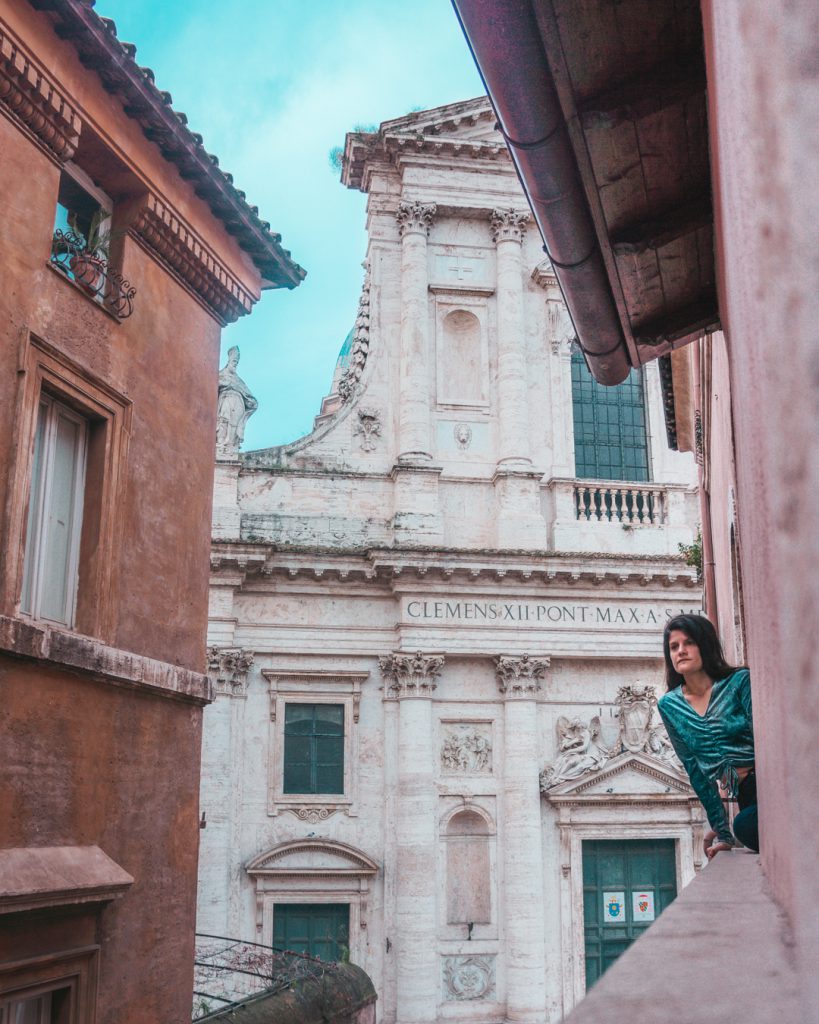
We arrived in Rome around noon, to our accommodation for the last night of the trip, Suites Giulia. We stayed in a two-bedroom suite with a fully equipped kitchen, living room, spacious bedrooms and bathrooms, even a walk-in closet. From the bedrooms there’s a lovely view of the nearby Museo di Arte Sacra San Giovanni dei Fiorentini. The suite has crisp, minimalist decoration and immediately feels like a home away from home. It even has a washing machine.
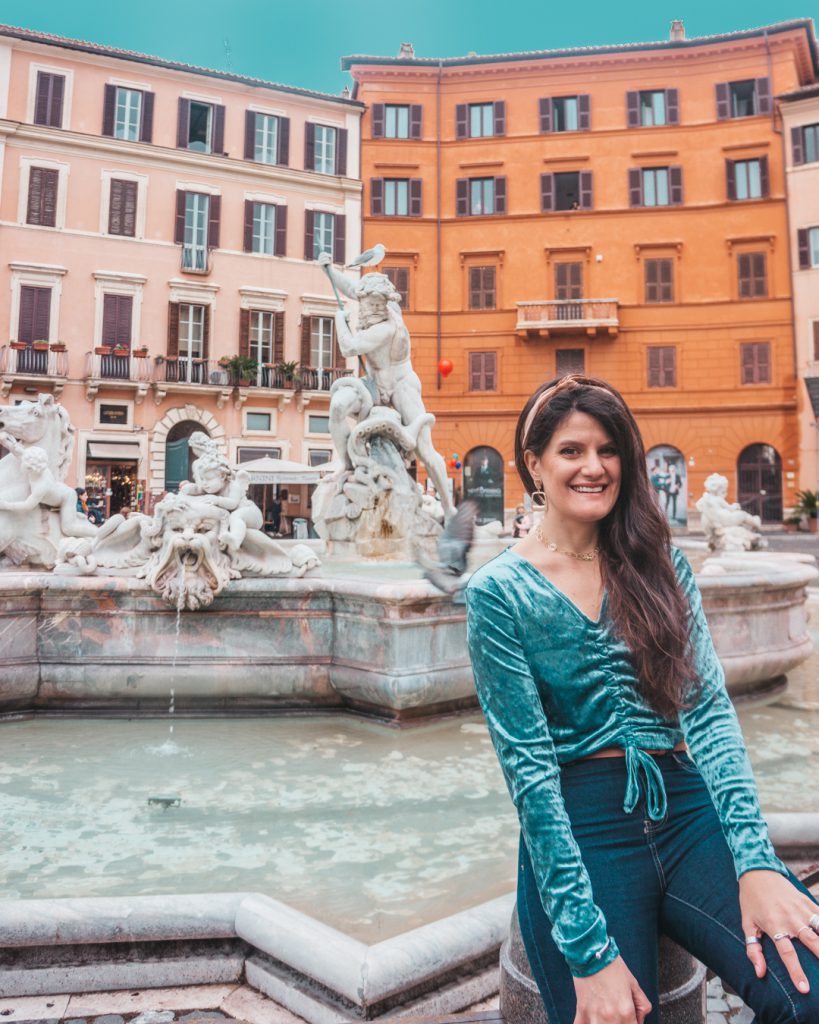
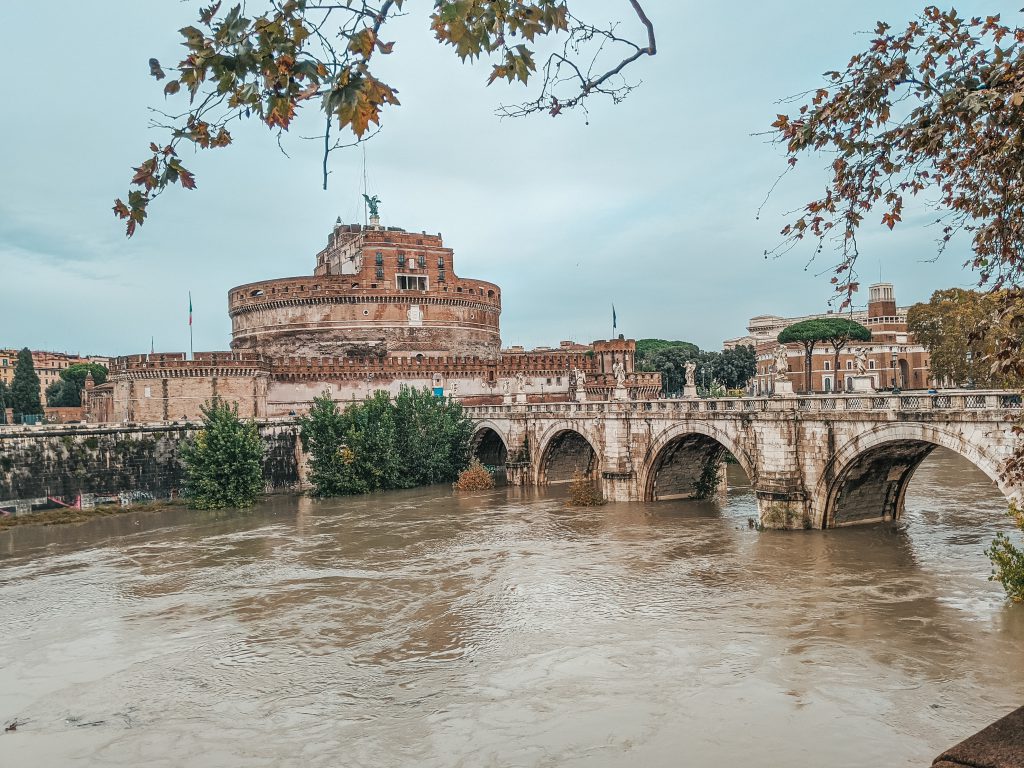
Suites Giulia is in Rione Regola, a fairly high-end neighbourhood right by Campo dei Fiori and Piazza Farnese, with cute wineries, restaurants and antique shops, including Pierluigi, usually frequented by celebrities. It’s also right by the Tevere river, Ponte Vittorio Emanuele II, Castel Sant’Angelo, and just 10 minutes’ walk from the Vatican.
If You Have Extra Time
This itinerary doesn’t cover everything Tuscany has to offer, it’s what I actually did over 8 days. If you’ve got extra time or want to build your own version, Pisa and Lucca are both commonly paired together as a half-day or full-day add-on (easy detour if you’re driving between Florence and San Gimignano), and Montepulciano, right next to Val d’Orcia, is well known for its own wine scene and worth a proper stop rather than just a hotel base if you can fit it in.
Map of Cities and Towns Visited
Best Time to Visit Tuscany
Spring (April to June) and autumn (September to October) are the sweet spot, pleasant weather, the countryside at its most vibrant, and far fewer crowds than peak summer. I visited in October and it was absolutely incredible.
Tuscany FAQs
When is the best time to visit Tuscany?
Spring (April to June) and autumn (September to October), when the weather is pleasant and the countryside is at its most vibrant, and both are quieter than peak summer. I visited in October and it was absolutely incredible.
Do I need a car to travel around Tuscany?
It’s possible to visit some towns by public transport, but a car is highly recommended. It gives you the freedom to reach hidden gems, remote wineries and small villages that trains and buses don’t cover. Book through DiscoverCars.
How many days should I spend in Tuscany?
A week is ideal for the highlights. If you’re short on time, 4 to 5 days still gives you a real taste. For proper depth, 10 to 14 days.
What are some must-see towns in Tuscany?
Florence, Siena, and San Gimignano for their iconic attractions (this itinerary covers all three). Pisa is also commonly recommended, see “If You Have Extra Time” above since it wasn’t part of my own route. Smaller towns like Pienza, Montepulciano and Montalcino are perfect for authentic Tuscan charm and wine tasting, all covered above.
Can I visit Tuscany as a day trip from Florence?
Yes, towns like Siena and San Gimignano work well as day trips from Florence if you don’t have a car. Here’s the best rated wine tasting day tour from Florence.
Is Tuscany expensive to visit?
It can be tailored to different budgets. Luxury villas and fine dining are available, but so are affordable agriturismos, budget-friendly trattorias, and free activities like exploring medieval towns or hiking the countryside.
What are some unique experiences in Tuscany?
- Hot air balloon rides over the Tuscan hills
- Cooking classes to learn traditional Tuscan recipes
- Exploring thermal baths like Bagno Vignoni
- Truffle hunting in the countryside
Is English widely spoken in Tuscany?
In major cities and tourist areas, yes, most locals speak some English. In smaller towns and rural areas it’s less common, so a few basic Italian phrases go a long way and are always appreciated.
Enjoyed this article? Support my work by buying me a latte. Otherwise, do me a great favor of leaving a comment and following me on Instagram (@travelwithpau). Feel free to say ‘Hello!’ I don’t bite. And make sure you save the article for later on Pinterest!

This post contains affiliate links. If you click on one and make a purchase, I might make a small commission, at no extra cost to you in order to help support my blog.
4 Comments
Great post! What time of year did you visit?
I actually visited the 2nd week of November and it was perfect!
I am planning to go the second week of October and am hoping to have good weather/ plenty of daylight. I am stealing much of your itinerary. Thanks very much for the post.
Steal away that’s what it’s for 🙂 October should be perfect.